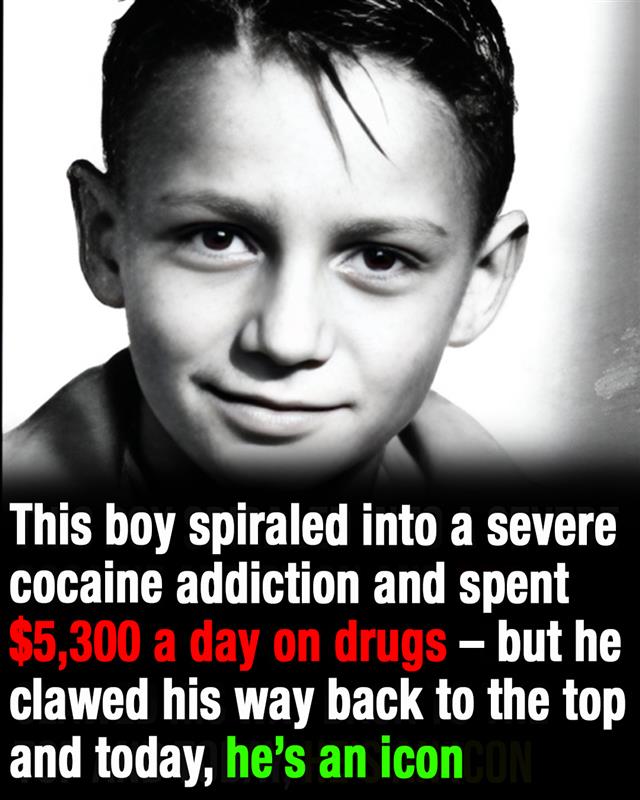
He dominated the charts throughout the 1970s, captivating fans with a bold, unapologetic style. Yet the pressures of fame and substance abuse took a toll, cutting his life tragically short. Still, his music and legacy continue to resonate today.
A True Pioneer in Country Music
Few figures in country music have left a mark as enduring as the man we now celebrate. His journey was fraught with personal struggles, particularly his battle with addiction. Years of cocaine use began affecting his performances, and fans noticed his once-iconic voice faltering at concerts.
His personal life also suffered. Once vibrant and full of energy, he became increasingly withdrawn, even around family. By the early 1980s, it seemed another tragedy might be looming—but the Texas-born artist wasn’t finished yet.
From Humble Beginnings
Born on June 15, 1937, on the J.W. Bittner farm near Littlefield, Texas, he carried a rich heritage of Cherokee, Comanche, Irish, and Black-Dutch ancestry. Though his birth name was later changed—a decision he initially disliked—he eventually embraced the identity that would become legendary in country music.
He learned guitar at the age of eight, first playing “Thirty Pieces of Silver” on relatives’ instruments before his mother bought him a used Stella guitar. He performed at family gatherings and worked odd jobs, but he always knew music would be his path.
Early Career and Meeting Buddy Holly
By 18, he became a radio DJ in Lubbock, Texas, where he crossed paths with Buddy Holly, who produced his first record and invited him to tour as a bass player. Fate intervened when he gave up his seat on the ill-fated plane that later killed Holly, a decision that haunted him for life. Though he initially swore off music, he returned to performing a few months later.
Moving to Phoenix in the early 1960s, he developed a sound that blended country, rock, folk, and blues, distinguishing him from other artists of the time. A brief stint in Los Angeles led to the attention of songwriter Bobby Bare, who contacted legendary producer Chet Atkins, calling him “the best thing since Elvis.” That moment changed his trajectory forever.
Outlaw Country and a Rebel Spirit
Signing with RCA, he moved to Nashville and briefly shared a home with Johnny Cash, joking that it was “the original Odd Couple.” During this period, amphetamines became part of the fast-paced music scene, a habit he later described as “artificial energy on which Nashville ran around the clock.”
By the mid-1960s, he pushed back against Nashville’s polished formula, joining Willie Nelson and Tompall Glaser in pioneering the outlaw country movement. With albums like Honky Tonk Heroes and the 1976 Wanted: The Outlaws, the artist redefined country music, selling over a million copies and changing the industry forever.
Struggles With Addiction
The lifestyle came with a steep price. While he avoided alcohol, cocaine consumption reached $1,500 per day (around $5,300 in 2026 dollars), leaving him with $2.5 million in debt. Despite these challenges, he eventually detoxed in Phoenix, inspired by his son Shooter to quit for good in 1984.
By the late 1980s, he had reclaimed his career, performing alongside close friends and earning accolades for his contributions to progressive country. Grammy-winning hits like Mammas Don’t Let Your Babies Grow Up to Be Cowboys and collaborations in the supergroup The Highwaymen cemented his legendary status.
Later Years and Legacy
Health issues—including Type 2 diabetes and heart surgery—slowed him down in the 1990s. Nevertheless, he continued creating music, publishing a memoir, and ultimately earning a place in the Country Music Hall of Fame, though he famously declined to attend the ceremony.
Waylon Jennings passed away on February 13, 2002, at the age of 64 in Chandler, Arizona, due to complications from diabetes. He was laid to rest at the City of Mesa Cemetery.
A Legend That Lives On
Waylon Jennings wasn’t just a country star—he was a trailblazer. From overcoming personal demons to shaping the outlaw country movement, his story exemplifies passion, perseverance, and authenticity. His songs, his voice, and his rebellious spirit continue to inspire generations, proving that true legends never fade—they live on in the music they leave behind.