
The human brain is a marvel—capable of trillions of calculations every second—but it’s surprisingly easy to trick. We like to trust our eyes, but often, they’re just the messenger. Shadows, angles, reflections, and coincidences can create glitches in reality that leave even the sharpest minds doing a double-take.
Optical illusions aren’t just for textbooks or magic shows—they happen all around us, every day. Sometimes it’s the perfect lighting, other times a quirky perspective. The result? A visual puzzle that forces us to pause, squint, and question what we think we see.

Why Your Brain Falls for It
Our brains rely on mental shortcuts called heuristics to process the world fast. If a shape resembles a face, your brain shouts “Face!” even if it’s just a swirl of clouds or a stain on toast. This phenomenon, called pareidolia, explains why your mind can misread simple patterns as something extraordinary.
When you do a double-take, your fast, intuitive thinking (System 1) clashes with analytical reasoning (System 2). That brief confusion? It’s your brain working overtime to make sense of a visual anomaly.

Nature’s Own Tricks
Nature is a master illusionist. Still lakes can mirror the sky perfectly, flipping reality upside down. Animals like leopards and stick insects use camouflage that literally confuses the eye. Even a dog blending into a patterned rug can appear to be a floating head, hilarious and uncanny at once.
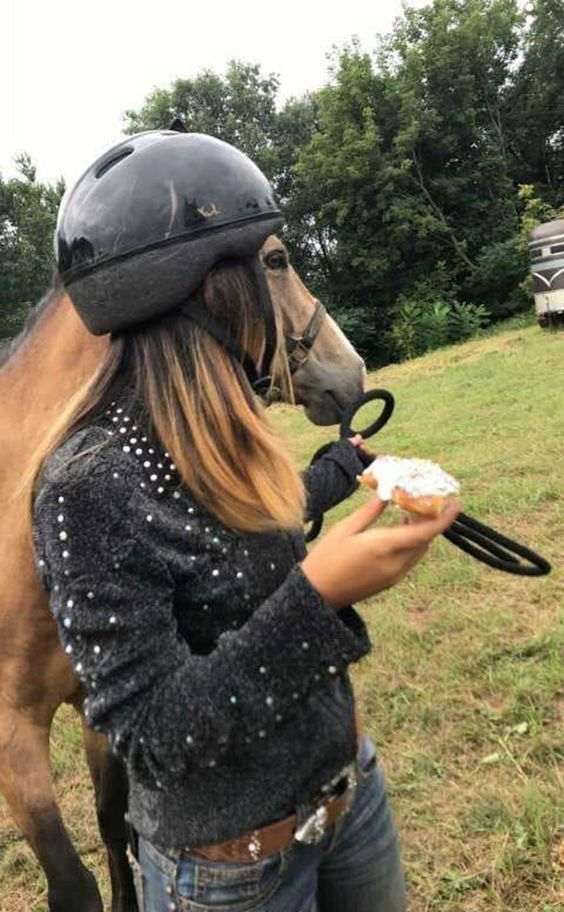
Urban Illusions Everywhere
Modern architecture and cityscapes are full of accidental mind-benders. Glass reflections, sharp angles, and shadows can turn a staircase into a trapdoor illusion or a skyscraper into a paper-thin facade. Street artists exploit the same principles, painting 3D “canyons” on flat pavement that make pedestrians pause mid-step.

Forced Perspective Magic
Sometimes, the illusion comes from distance tricks. Objects in the foreground can seem enormous, while faraway objects shrink. A friend might look like a tiny person perched on your shoulder, or a dog on a hill might appear taller than a building. These moments break the rules our brains rely on to feel grounded.
Hidden Details That Fool You
Illusions aren’t just size-based—they’re about color, texture, and context. Leggings matching the floor can make a person appear legless. A bag pressed against a body might look like an extra limb. These accidental illusions go viral because they expose how fragile our perception really is.
Train Your Eyes
Want to spot illusions more easily? Slow down. Look at images longer, notice light, texture, and lens effects. A wide-angle lens can make a small room massive; a telephoto lens can compress a scene, fooling distance perception. The key is patience and curiosity.
The Joy of Realization
The best part? The “Aha!” moment when the illusion resolves, and your brain snaps to reality. Whether it’s a cat split in two by a glass table, a cloud dragon, or a bearded man turning into a landscape, these moments remind us that the world is strange, fascinating, and full of surprises.
Next time something doesn’t look right, pause, focus, and give it a second look. You’ll be amazed at what your brain missed the first time.
Seen any illusions that made you do a double-take? Share your favorite mind-bending moments in the comments!