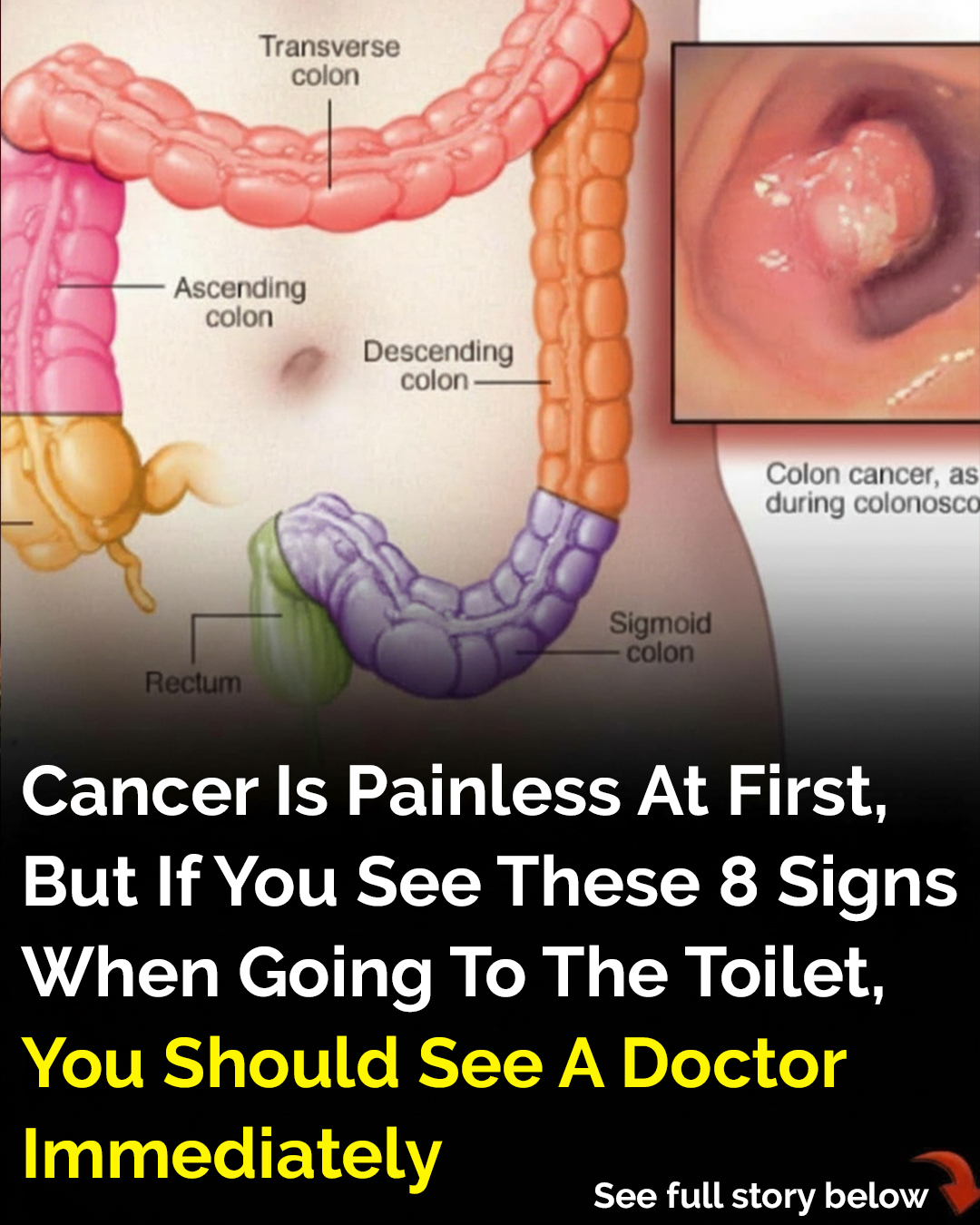
Many people assume that only severe or obvious symptoms signal a serious health problem. However, when it comes to digestive health, even subtle changes in bowel habits can sometimes point to underlying conditions, including colon cancer.
In recent years, doctors have raised concerns about rising rates of colorectal cancer among younger adults. Once considered more common in older populations, the condition is now increasingly diagnosed in people under 55. In fact, a growing percentage of new cases are appearing in younger age groups, making early awareness more important than ever.
Why Changes in Stool Matter
Occasional digestive issues are common and usually harmless. However, persistent changes—such as blood in the stool, unusual consistency, or shifts in bathroom frequency—can sometimes be early warning signs of a more serious issue.
It’s important to note that these symptoms don’t automatically mean cancer. Many conditions, including diet changes or minor gastrointestinal problems, can cause similar effects. Still, ongoing or unexplained symptoms should never be ignored.
Early Warning Signs to Watch For
One of the first indicators of potential colorectal issues is a noticeable change in bowel habits. These changes may include:
- Narrow or “pencil-thin” stools, which could suggest a blockage or narrowing in the intestine
- Pain or discomfort during bowel movements
- A lingering feeling that the bowel hasn’t fully emptied
- Rectal bleeding, especially from the lower digestive tract
- Ongoing abdominal pain or cramping
- Fatigue, sometimes linked to anemia caused by internal bleeding
These early symptoms can be easy to overlook, but monitoring them closely is essential for maintaining digestive and gut health.
Symptoms as the Condition Progresses
As colon cancer develops, symptoms may become more noticeable. Tumors can interfere with normal digestion and waste movement, leading to:
- Persistent constipation due to partial obstruction
- Diarrhea caused by liquid stool bypassing a blockage
- Alternating constipation and diarrhea
- Visible blood in stool, which may appear bright red or darker
- Increased bloating, gas, and abdominal discomfort
- Iron-deficiency anemia, a common complication
Advanced-Stage Symptoms
In later stages, symptoms often intensify and may affect other parts of the body. A significant blockage in the colon can lead to nausea, vomiting, and unintended weight loss.
If bleeding occurs higher in the digestive tract, stool may appear dark or tar-like. In more advanced cases, complications such as intestinal blockage or perforation may occur, and the disease can spread to organs like the liver or lungs.
The Importance of Early Detection
Recognizing early signs of colorectal cancer can make a major difference in treatment success. When detected early, many cases are highly treatable, and outcomes improve significantly.
If you notice ongoing or unusual changes in your bowel movements, it’s important to consult a healthcare professional. Early screening, diagnosis, and preventive care are key to protecting long-term health.
Key Takeaway
Your body often sends subtle signals when something isn’t right. Paying attention to bowel habits and digestive changes is a simple but powerful step toward early detection and better health outcomes.
While many symptoms may have harmless explanations, persistent changes should always be checked. Staying informed and proactive about colon health can make a life-saving difference.
If you found this information helpful, consider sharing it with others to raise awareness about early warning signs and preventive health care.