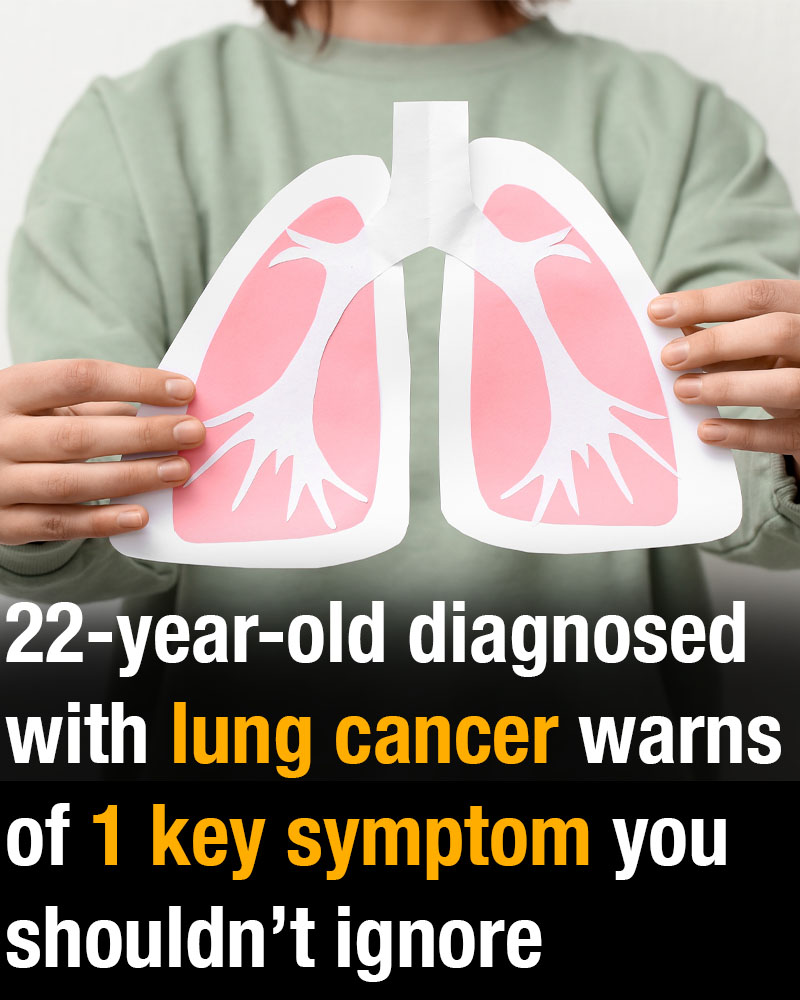
A 22-year-old woman is raising awareness about the potential health risks of vaping after being diagnosed with a serious lung condition that doctors say may limit her life expectancy.
Kayley Boda, from Manchester, began using e-cigarettes as a teenager. Now, she is speaking out to help others understand the possible long-term consequences of vaping and why certain symptoms should never be ignored.
Growing concerns about vaping and lung health
Over the past decade, vaping devices have surged in popularity, especially among younger users. These compact products—often designed to look like pens or USB drives—come in a variety of flavors and styles, making them widely accessible and appealing.
However, medical experts continue to warn about potential risks. One condition associated with inhaling harmful chemicals is Popcorn Lung, a rare but serious disease that damages the small airways in the lungs. According to Cleveland Clinic, this condition can develop after exposure to toxic substances, including those sometimes found in e-cigarette vapor.
Early symptoms that shouldn’t be ignored
Boda’s experience highlights how symptoms can initially be overlooked. She reported coughing up unusual mucus after switching to disposable vaping products, but her condition was initially treated as a chest infection.
It wasn’t until she began coughing up blood that further testing was done, revealing a concerning shadow on her lung. Despite early reassurance due to her age, she was later diagnosed with lung cancer.
Health experts, including Mayo Clinic, note that symptoms of lung disease or cancer can include persistent coughing, shortness of breath, chest discomfort, and wheezing. In more severe cases, coughing up blood is considered a critical warning sign that requires immediate medical attention.
A difficult diagnosis and ongoing risks
Although Boda briefly received positive news earlier this year, her condition returned, limiting available treatment options. Her story reflects broader concerns about how vaping may affect long-term respiratory health, particularly in younger individuals.
Medical professionals, including Panagis Galiatsatos from the American Lung Association, emphasize that vaping products can be highly addictive and may carry risks that are not yet fully understood.
“These products can strongly impact addiction pathways, especially in younger users,” he has warned, adding that repeated exposure may eventually lead to serious health conditions.
Raising awareness for prevention
While research into the long-term effects of vaping continues, experts agree that prevention and early detection are key. Recognizing unusual respiratory symptoms early—and seeking medical evaluation—can make a critical difference.
Boda’s message is clear: even if risks don’t seem immediate, the long-term impact on lung health can be severe. Her experience serves as a reminder to stay informed, make cautious choices, and prioritize respiratory health.