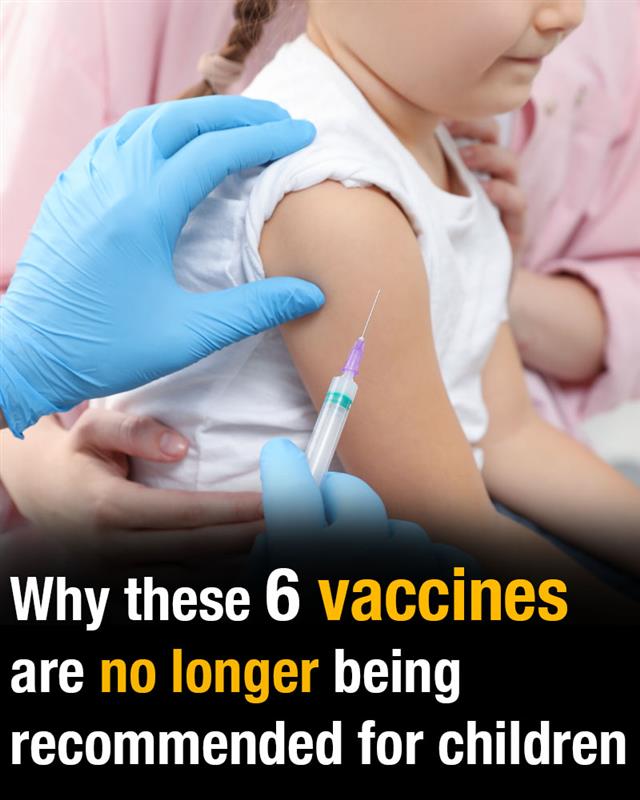
Vaccines have long been a cornerstone of preventive healthcare, helping reduce serious illness and protect children worldwide. However, recent updates to U.S. immunization recommendations have prompted widespread discussion among medical professionals and families.
Changes to Childhood Immunization Guidelines
On January 5, the Centers for Disease Control and Prevention (CDC) released revised guidance for childhood vaccinations. Under the new framework, 6 out of 17 previously routine vaccines will no longer be broadly recommended for all children starting in 2026.
According to the Department of Health and Human Services, the changes follow a comprehensive scientific review comparing the U.S. vaccine schedule with those used in other developed countries.
Nations such as Denmark and Canada were included in the analysis. Officials concluded that the U.S. had been recommending a larger number of vaccines than some of its global counterparts.
Health Secretary Robert F. Kennedy Jr. stated that the goal is to better align with international practices while improving transparency and informed decision-making. Donald Trump also expressed support, describing the update as grounded in high scientific standards.
Vaccines Affected by the Update
Under the revised recommendations, the following vaccines will no longer be routinely advised for all children:
- Hepatitis A
- Hepatitis B
- Influenza
- Meningococcal disease
- Rotavirus
- Respiratory syncytial virus (RSV)
Some of these immunizations may still be recommended for children considered at higher risk, depending on individual health factors and medical guidance.
Concerns From Medical Experts
Not all healthcare organizations agree with the decision. The American Academy of Pediatrics has criticized the changes, describing them as unnecessary and potentially harmful.
Experts point to historical data showing that several of these vaccines have significantly reduced hospitalizations and deaths over the past decades. According to CDC data, three of the affected vaccines alone have helped prevent nearly 2 million hospitalizations and over 90,000 deaths in the last 30 years.
Dr. Sean O’Leary warned that scaling back routine recommendations could lead to increased illness rates, emphasizing the importance of preventive care in protecting public health.
What Remains in Place
Despite the changes, the CDC has confirmed that several core vaccines will continue to be strongly recommended for all children. Officials also stress that vaccination decisions should be made in consultation with qualified healthcare providers, especially for families with specific medical concerns.
Ongoing Public Health Discussion
The updated guidelines have sparked an ongoing conversation about vaccine policy, public health strategy, and global alignment. While some see the move as a step toward standardization, others worry about the potential long-term impact on child health outcomes.
This article is for informational purposes only and does not replace professional medical advice. Always consult a healthcare provider for personalized guidance.