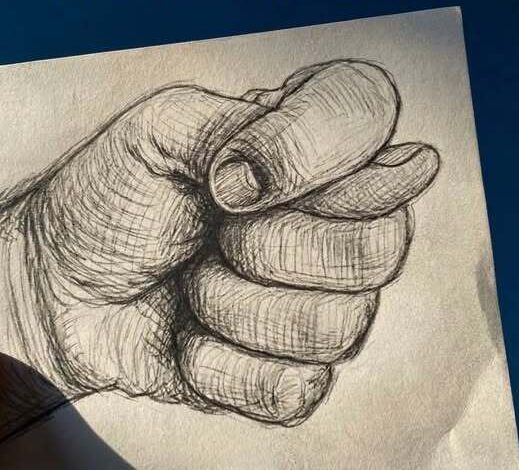
The Hidden Language of a Simple Hand Gesture
A Gesture With Deep Historical Roots
Long before modern communication tools existed, people relied on hand gestures to express meaning, emotion, and intent. Among these ancient forms of nonverbal communication is a distinctive hand position where the thumb is tucked between the fingers of a closed fist. Known in various cultures across Europe and the Mediterranean, this gesture has carried different interpretations over time, ranging from defiance to protection.
What may appear simple today actually reflects centuries of human expression shaped by social structure, tradition, and everyday life.
A Symbol of Resistance and Subtle Defiance
In earlier societies where strict social hierarchies limited open disagreement, subtle gestures became an important form of communication. This hand sign allowed individuals to express refusal or disagreement without direct confrontation.
Rather than speaking out openly, people used it as a quiet and discreet signal—an unspoken way to push back against authority or unwanted demands. In that sense, it became a practical tool for navigating sensitive social environments while avoiding conflict.
Continue reading on the next page…