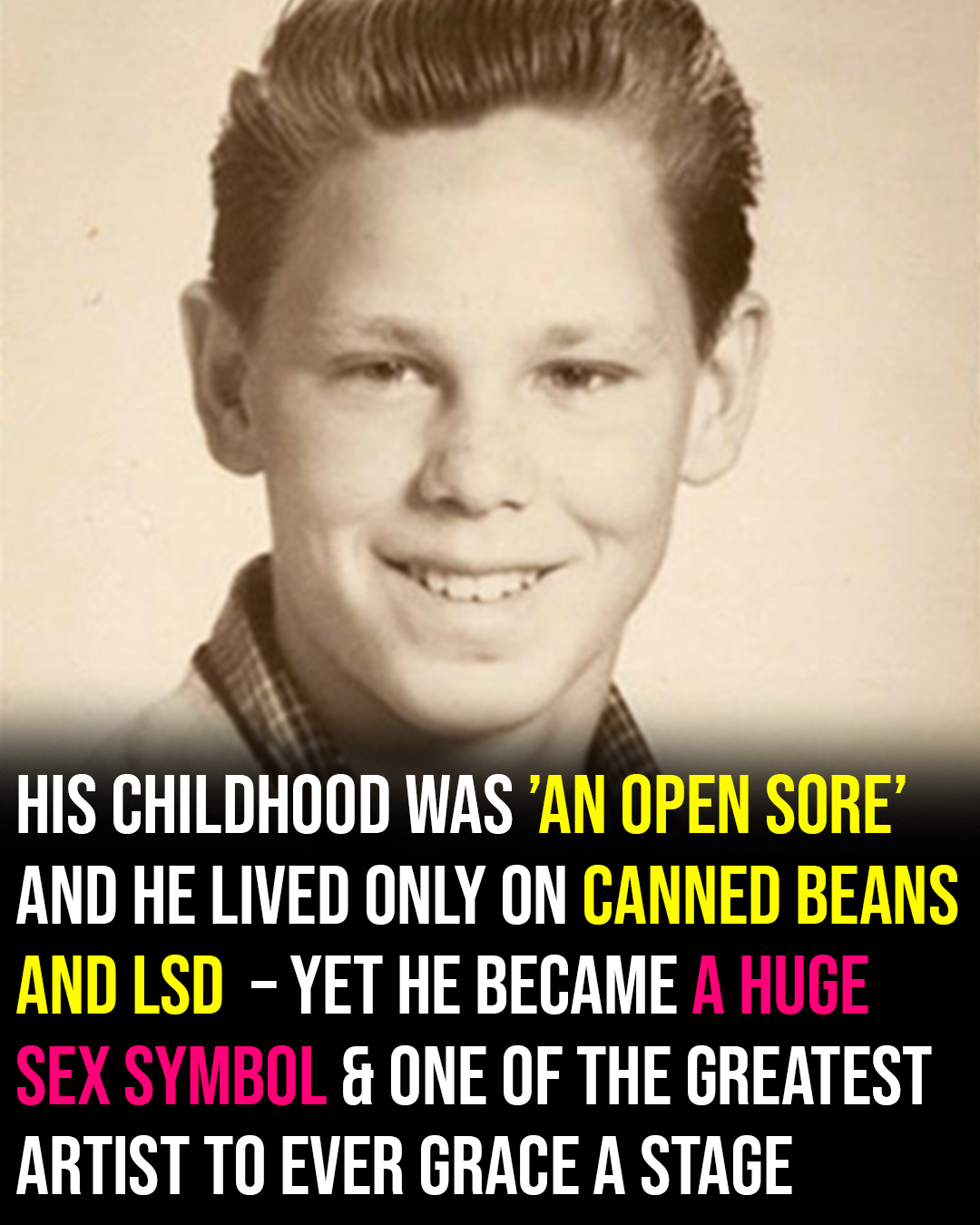
With striking looks, poetic songwriting, and a commanding stage presence, Jim Morrison appeared destined for lasting fame. As the frontman of The Doors, he captivated audiences and helped redefine what it meant to be a rock star.
But behind the spotlight was a life marked by intensity, instability, and a relentless push toward the edge.
Early life and a moment that shaped his identity
Born on December 8, 1943, in Melbourne, Morrison grew up in a military family. His father served as a high-ranking naval officer, which meant frequent relocations during his childhood.
One story Morrison often revisited involved a road accident his family encountered in New Mexico when he was very young. He later described the scene in vivid, almost mystical terms, claiming it had a profound emotional impact and influenced his artistic vision.
While family members recalled the incident as less dramatic, Morrison treated it as a defining moment—one that would later shape the imagery in his lyrics and poetry.
A restless upbringing and early rebellion
Constant moves and changing environments contributed to a sense of restlessness. By the time his family settled in Claremont, signs of rebellion had already begun to appear.
Though intelligent and capable in school, Morrison developed a reputation for challenging authority. His early behavior hinted at the unpredictable personality that would later define his public image.
From film student to rock legend
After studying at University of California, Los Angeles (UCLA), Morrison embraced a minimalist, bohemian lifestyle in Venice Beach.
During this time, he focused on writing lyrics and poetry, sometimes living with very limited resources. It was here that he reconnected with Ray Manzarek, and together they formed The Doors.
The band’s name was inspired by Aldous Huxley’s work The Doors of Perception, itself influenced by William Blake.
Rapid success and growing chaos
After signing with Elektra Records in 1966, the band quickly rose to fame, releasing multiple albums that remain influential in rock history.
Morrison’s performances were intense and unpredictable. His deep voice and poetic lyrics drew audiences in, while his on-stage behavior often blurred the line between performance and personal expression.
Off stage, however, his lifestyle became increasingly unstable. Heavy alcohol use began to interfere with both recordings and live shows, leading to missed cues and erratic behavior.
Legal issues and controversy
Morrison’s actions frequently attracted legal attention. Incidents involving public behavior and concert performances added to his reputation as one of rock’s most controversial figures.
A particularly infamous concert in Miami led to charges that resulted in a conviction and sentence, further cementing his image as a rebellious and unpredictable artist.
Personal struggles and declining health
As fame grew, so did the pressures surrounding him. Relationships were often intense and unstable, while substance use contributed to mood swings and impulsive decisions.
Friends and collaborators described a complex individual—both highly creative and increasingly difficult to manage. Over time, his performances began to suffer, with forgotten lyrics and incomplete shows becoming more common.
Eventually, touring came to a halt as tensions within the band reached a breaking point.
A life that ended too soon
In 1971, while living in Paris, Jim Morrison was found dead at the age of 27. The official cause was listed as heart failure, though questions and speculation have continued for decades.
A lasting legacy in rock history
Despite his short life, Morrison remains one of the most influential figures in rock music. His work with The Doors continues to inspire new generations, and his image as a symbol of artistic freedom and rebellion endures.
His story is often seen as both a celebration of creativity and a cautionary tale about the pressures of fame, making him one of the most unforgettable icons in music history.