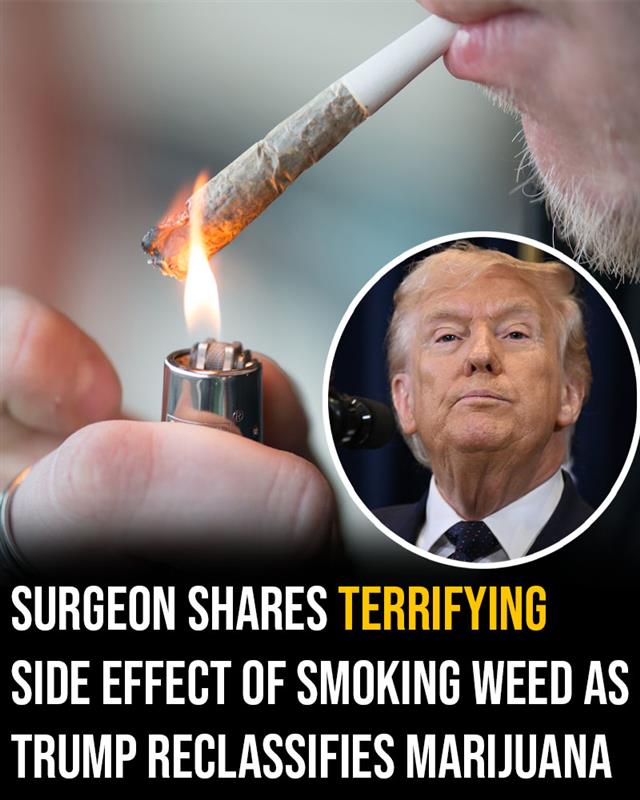
A significant shift in U.S. drug policy is bringing renewed attention to marijuana use, with medical experts highlighting potential health concerns as discussions around cannabis reform continue.
Former President Donald Trump is currently backing efforts to reclassify marijuana under the Controlled Substances Act. The proposal would move cannabis from Schedule I—reserved for substances considered to have no accepted medical use—to Schedule III, a category that includes medications such as certain codeine-based treatments.
This policy change is intended to make scientific research more accessible and improve clinical understanding of cannabis. Acting Attorney General Todd Blanche stated that rescheduling would allow researchers to better study its safety and effectiveness, ultimately supporting improved patient care and more informed medical decisions.
However, reclassification does not equate to full legalization. Instead, it would primarily affect how marijuana is regulated, studied, and taxed at the federal level.
Despite growing acceptance of cannabis for medical and recreational use, some healthcare professionals remain cautious—especially regarding long-term health effects and high-potency products.
Medical Concerns About Smoking Marijuana
Heart surgeon Dr. Jeremy London has raised concerns about the impact of marijuana smoking on cardiovascular health and lung function.
He emphasizes that the lungs are designed for one essential purpose: oxygen exchange. Introducing smoke or foreign substances can interfere with this function and potentially lead to complications.
According to London, regular cannabis smoking may increase the risk of coronary artery disease and heart attacks by approximately 1.3 to 2 times compared to non-users. These findings align with emerging research on cardiovascular risk factors linked to substance use.
Drawing from his clinical experience, he described noticeable damage in patients who frequently smoke marijuana. In some cases, lung tissue appeared severely darkened, resembling that of individuals exposed to heavy environmental pollutants.
Notably, some of these patients had no history of tobacco use, indicating that marijuana alone may contribute to these effects. London also reported treating individuals with advanced arterial blockages requiring bypass surgery, despite their belief that cannabis use was relatively harmless.
Awareness and Risk Education
A recurring theme among patients, according to London, is the assumption that marijuana carries minimal health risks. He stresses the importance of increasing public awareness around potential side effects, particularly as legalization and usage rates continue to rise.
While ongoing research may provide clearer answers in the future, medical professionals encourage individuals to stay informed about both the benefits and risks associated with cannabis use—especially when it comes to heart health and respiratory function.