In today’s digital world, access to reliable health information is more important than ever. Staying informed about your body and recognizing early warning signs can play a key role in preventing serious conditions.
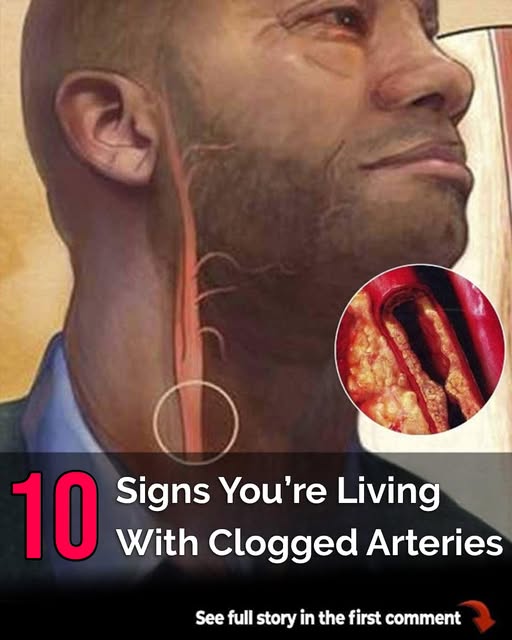
If you’re focused on improving your heart health and overall wellness, understanding the symptoms of clogged arteries—also known as Atherosclerosis—can help you take action before complications arise.
Blocked arteries can restrict blood flow and increase the risk of serious conditions such as Heart Attack and High Blood Pressure. While these issues can be dangerous, your body often provides early signals that shouldn’t be ignored.
Here are 10 potential warning signs to watch for:
1. Nausea
Feeling nauseous is a common symptom linked to many conditions. While it doesn’t necessarily indicate a cardiovascular issue, persistent or unexplained nausea should be discussed with a healthcare professional as part of preventive care.
2. Chest Discomfort
Chest pain—medically known as Angina—can occur when blood flow to the heart is reduced due to plaque buildup. This discomfort may spread to the shoulder, arm, jaw, or upper back. Ongoing chest pain requires immediate medical evaluation.
3. Shortness of Breath
Frequent shortness of breath, especially during normal activities, may signal reduced blood flow or strain on the heart. While it can occur during exercise, recurring episodes without clear cause should be checked by a doctor.
4. Weakness or Numbness on One Side
Reduced circulation in arteries supplying the brain can lead to sudden weakness or numbness, particularly on one side of the body. This may be associated with conditions affecting the carotid arteries and should be treated as a medical concern.
5. Difficulty Speaking Clearly
Slurred speech or trouble forming words can sometimes indicate restricted blood flow to the brain. This symptom may be temporary but should never be ignored, as it could point to a serious underlying issue.
6. Vision Problems
Sudden vision changes, including blurriness or partial vision loss, may occur when blood flow to the eyes is affected. Prompt evaluation by a medical professional is essential in these cases.
7. Unexplained Leg Pain
Pain in the legs without injury could be related to poor circulation caused by blocked arteries in the limbs. This condition can impact mobility and overall vascular health.
8. Cold Feet or Extremities
Consistently cold feet may indicate reduced blood circulation. When blood flow is limited, extremities are often the first to be affected, which can signal a potential vascular issue.
9. Slow Healing Wounds
Cuts or injuries—especially on the feet—that take longer than usual to heal may be linked to poor circulation. Adequate blood flow is essential for recovery, making this an important sign to monitor.
10. Heart Palpitations
Irregular or noticeable heartbeats, often described as palpitations, may indicate changes in how blood is flowing through the heart. If this happens frequently, it’s important to seek medical advice.
When to Take Action
Recognizing these early warning signs can make a significant difference in preventing serious cardiovascular conditions. If you experience any of these symptoms regularly, it’s important to consult a qualified healthcare provider for proper diagnosis and guidance.
Prioritizing preventive healthcare, maintaining a balanced lifestyle, and scheduling regular check-ups are key steps toward protecting your long-term heart health.