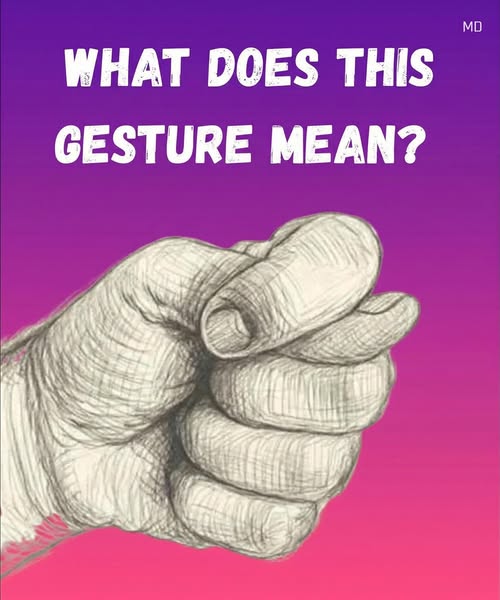
The human hand is perhaps the most sophisticated instrument of communication ever devised by nature. Long before the written word and parallel to the development of complex spoken language, the hands served as the primary interface for human expression. Among the vast lexicon of manual signals, few are as enigmatic, ancient, or culturally versatile as the “fig” gesture. To the uninitiated, it appears as a simple, perhaps even clumsy, clenched fist. However, the positioning of the thumb—tucked firmly between the index and middle fingers—transforms the hand from a blunt instrument of force into a sophisticated carrier of subtext. This gesture, known historically as the mano fuca, has traversed centuries of human history, evolving from a potent symbol of fertility and warding to a quiet tool of social resistance and, eventually, a playful relic of childhood games.
The journey of the fig gesture begins in the ancient world, where physical symbols were often imbued with a sense of cosmic or spiritual weight. In the Mediterranean basin, particularly within the Roman Empire, the gesture was far from a casual flick of the wrist. It was deeply tied to the “evil eye,” a pervasive belief that malevolent glares could bring misfortune, illness, or death. The fig gesture was thought to act as a metaphysical shield. Because the visual arrangement of the fingers resembled certain anatomical forms—specifically the fruit of the fig tree, which has long been a metaphor for fertility and life—it was believed to possess a generative power that could neutralize the “dry” and destructive energy of a curse. In this context, the gesture was an act of profound self-defense, a way for the common person to navigate a world they believed was populated by unseen spiritual threats.
Continue reading next page…