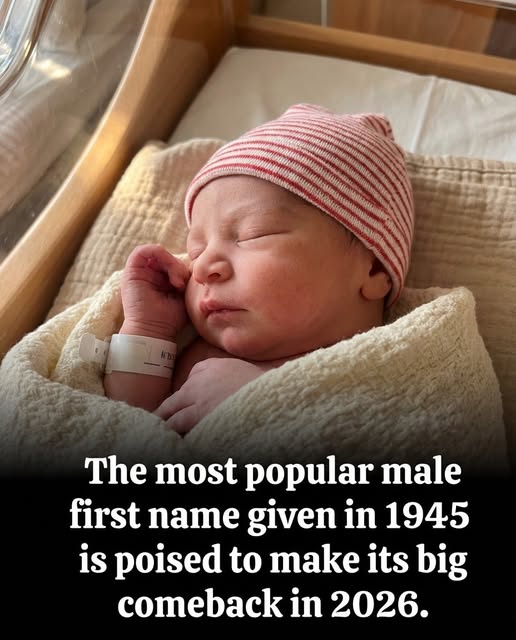
Baby naming trends rarely change overnight. More often, they evolve gradually, shaped by shifting cultural values, economic uncertainty, and generational emotion. But as 2026 approaches, experts in baby naming trends and family demographics are noticing a clear and meaningful shift—one that marks the end of ultra-modern, hyper-unique names and the return of something far more enduring.
After more than a decade dominated by invented spellings, digital-friendly names, and algorithm-optimized uniqueness, parents are turning back to classic baby names with history, stability, and emotional depth. This movement reflects a broader change in how modern families think about identity, permanence, and the future.
Why Modern Parents Are Moving Away From “Made-Up” Names
For much of the 2010s and early 2020s, parents felt pressure to choose names that stood out online. In a world driven by social media, usernames, and personal branding, originality often meant breaking traditional spelling rules or creating entirely new names.
These choices fit a fast-paced, tech-first era—but many lacked historical roots. Naming experts now say that today’s parents, particularly millennials and older Gen Z, are experiencing “trend fatigue.”
In an increasingly unpredictable world, parents are looking for meaningful baby names that feel steady rather than flashy.
The Rise of the “Neo-Vintage” Baby Name Trend
Experts are calling this shift the Neo-Vintage Revival—a trend defined not by always-popular names like William or Elizabeth, but by rediscovered classics that quietly faded for a generation or two.
These names feel fresh because they’re unfamiliar to today’s classrooms, yet they carry cultural weight and proven longevity. Leading this trend in 2026 baby name forecasts is the name Marcel.
Why Marcel Is Surging in Popularity
Marcel has deep European roots, particularly in French-speaking cultures, where it was once common among writers, artisans, and everyday families. Over time, it slipped out of mainstream use and became associated with older generations.
That long absence is exactly what makes it appealing today.
Naming analysts describe Marcel as rediscovered rather than revived. It strikes a rare balance: elegant but simple, traditional without feeling outdated. It doesn’t demand attention, yet it leaves a strong impression—qualities modern parents increasingly value.
A Name That Grows With a Child
One reason Marcel resonates with today’s families is its age-proof versatility. It suits a toddler, a teenager, a working professional, and an older adult equally well. Experts consistently rank “long-term usability” as a top factor in parental satisfaction with baby names.
Rather than defining a child’s personality in advance, Marcel leaves space for identity to develop naturally—an approach that aligns with modern parenting philosophies focused on autonomy and emotional growth.
Part of a Broader Return to Classic Names
Marcel isn’t alone. Similar names gaining traction include Augustin, Léonie, Eugène, and Colette. These names share key traits parents are prioritizing in 2026:
- Historical depth
- Clear pronunciation
- Simple spelling
- A human, timeless feel
In an age of artificial intelligence, deepfakes, and digital overload, there is growing demand for names that feel unmistakably real.
A New Vision of Masculinity
The popularity of Marcel also reflects changing ideas around masculinity. Parents are moving away from names that emphasize toughness or dominance, favoring those that suggest emotional intelligence, empathy, and quiet confidence.
Marcel embodies this shift—projecting calm strength rather than aggression. It represents a softer, more self-aware vision of masculinity that resonates with modern values.
Global Appeal Matters More Than Ever
In a connected world, parents increasingly consider how a name travels internationally. Marcel performs exceptionally well across languages, including English, French, German, and Spanish, making it a practical choice for multicultural families or globally minded parents.
This linguistic flexibility reduces mispronunciation and cultural friction—an important consideration in modern family planning.
The Psychology Behind Choosing Timeless Names
Research in social psychology suggests that names associated with stability and tradition can influence first impressions in social and professional settings. While a name doesn’t determine destiny, it does shape expectations.
By choosing a name like Marcel, parents are expressing confidence in continuity—an implicit belief that some things are worth preserving.
Not Nostalgia—But Intentional Parenting
This return to classic baby names isn’t about recreating the past. Today’s parents aren’t chasing the 1920s—they’re building a more grounded future.
Choosing Marcel is a deliberate act: prioritizing substance over trends, depth over novelty, and longevity over momentary appeal.
Looking Ahead: A Trend Built to Last
Naming experts predict that Neo-Vintage names like Marcel won’t spike and crash. Instead, they’re expected to grow steadily and remain popular—mirroring the values of the families choosing them.
By 2026, Marcel represents more than a baby name. It’s a cultural signal—proof that in a noisy, fast-moving world, many parents are choosing calm, meaning, and endurance.
For a new generation, Marcel offers something rare: a name that feels both fresh and timeless, rooted in history yet open to limitless possibility.