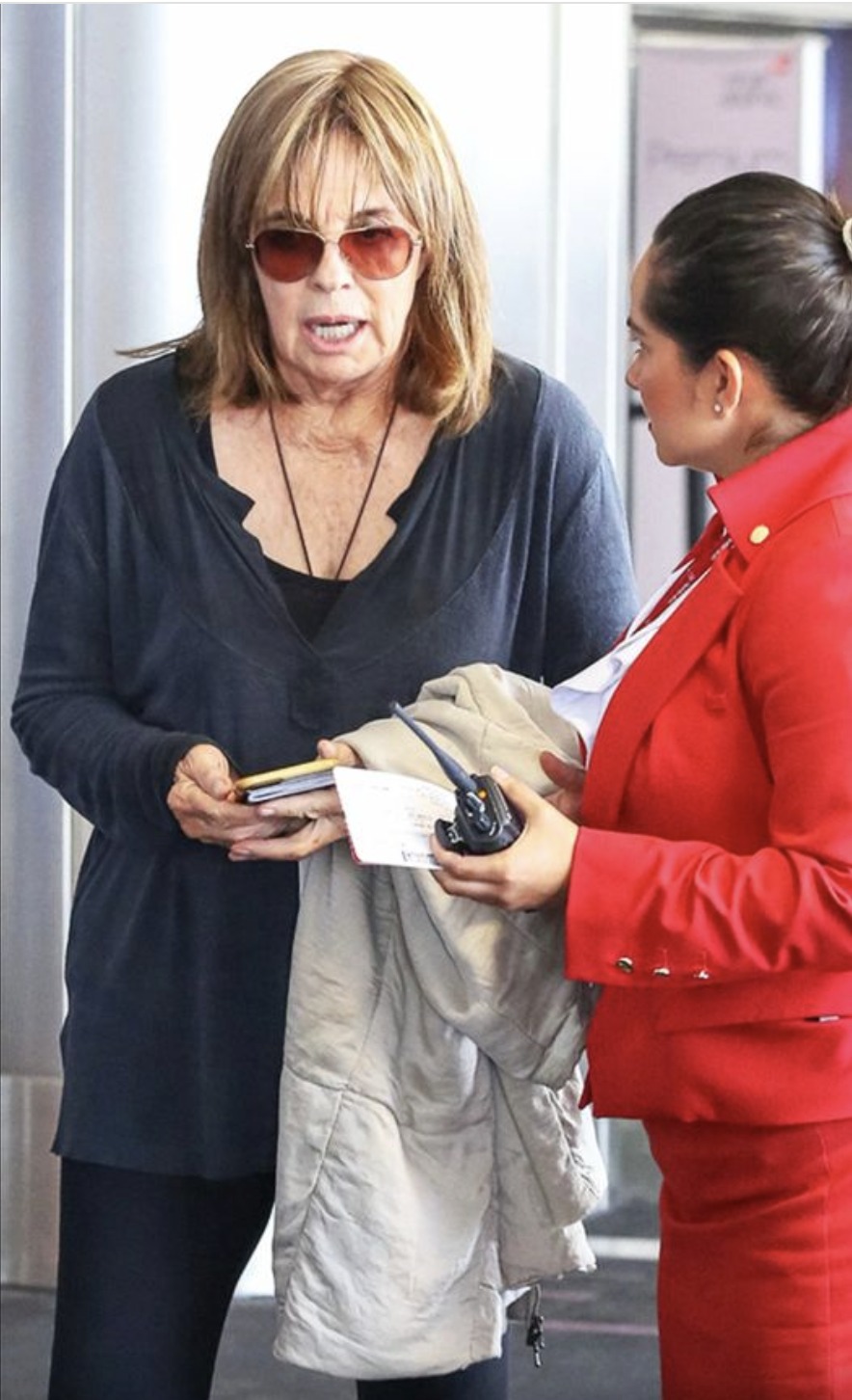
Linda Gray became a television icon thanks to her unforgettable role as Sue Ellen Ewing on the legendary prime-time drama Dallas. Appearing in more than 300 episodes, she helped shape one of the most successful shows in classic television history.
While her on-screen career brought international fame, Gray’s personal journey has included serious health challenges, family struggles, and profound loss. Today, at 84, she remains a powerful example of resilience in Hollywood.
The Role That Defined an Era
Throughout television history, certain performances become inseparable from the actors who portray them. It’s difficult to imagine Dallas without Linda Gray as Sue Ellen Ewing — just as it’s hard to picture other classic shows without their defining stars.
Starring alongside Larry Hagman and Patrick Duffy, Gray helped turn Dallas into a global ratings phenomenon. The show centered on wealth, power, betrayal, and family drama at Southfork Ranch — themes that drove record-breaking viewership.
The famous “Who shot J.R.?” episode in 1980 drew an estimated 80 million viewers in the United States alone, making it one of the most-watched television events in American broadcast history at the time.
Gray’s performance earned her two Golden Globe nominations for Best Actress in a Television Drama Series, as well as a Primetime Emmy nomination for Outstanding Lead Actress.
Early Life and Health Challenges
Born on September 12, 1940, in Santa Monica, California, Linda Gray faced adversity early in life. As a child, she was diagnosed with polio — a frightening diagnosis during that era.
Her grandfather had also suffered from the illness. While her family was deeply concerned, Gray later recalled that she didn’t fully grasp the severity at the time and viewed it with childlike optimism.
She grew up in Culver City, near the heart of Hollywood. Performing came naturally to her. She appeared in school productions, including playing Cinderella at Notre Dame Academy in Los Angeles.
Her father, a watchmaker, provided stability, though she later described him as emotionally reserved in her 2015 memoir, The Road to Happiness Is Always Under Construction.
Her mother, a former artist and ballerina, struggled with alcohol addiction during Gray’s childhood. Linda and her sister often had to take on adult responsibilities at home. Years later, her mother sought help through Alcoholics Anonymous — a turning point that deeply influenced Gray’s views on mental health resilience and personal growth.
Gray has said that witnessing her mother’s struggles motivated her to pursue her own ambitions and avoid a similar path.
Marriage and Career Sacrifices
At 21, Linda married photographer Edward Lee Thrasher. Soon after, she became a mother to son Jeff and daughter Kehly.
While she loved her children deeply, she later described her marriage as emotionally distant. Her husband preferred that she focus on home life rather than pursue professional opportunities.
“It took me 21 years to leave my marriage,” she once said.
Determined to build financial independence and a career in the entertainment industry, Gray began modeling and appearing in television commercials. She also had brief, uncredited film roles in the early 1960s.
One of her earliest notable moments came in 1967 when she was paid $25 to serve as Anne Bancroft’s body double in the iconic poster for The Graduate. Years later, she would come full circle by playing Mrs. Robinson in a stage adaptation.
Despite early rejection — including a discouraging letter from Glamour magazine — Gray refused to give up. Instead, she used setbacks as fuel to move forward.
Breakthrough With Dallas
In her late 30s, Gray began taking acting classes. Actor Dennis Weaver helped her secure a guest role on Marcus Welby, M.D. in 1974.
Then, in 1978, everything changed.
She was cast as Sue Ellen Ewing in Dallas. Initially intended as a short-term character, her performance quickly made her a series regular and fan favorite.
Her chemistry with Larry Hagman became one of the show’s defining elements. Gray later explained that their dynamic was playful and energetic rather than romantic behind the scenes.
When the cameras rolled, however, the transformation into J.R. and Sue Ellen was seamless — a testament to professional acting craft and on-screen storytelling.
Life After Dallas
After divorcing in 1983, Gray continued building her career in television and film. She later returned to Dallas when the series was revived in 2012, introducing Sue Ellen Ewing to a new generation of viewers.
In 2014, she received a Special Award at the USA Film Festival in recognition of her contributions to the entertainment industry.
Personal Tragedy and Strength
Gray’s life took a heartbreaking turn in 2020 when her son Jeff passed away following a reported battle with leukemia.
In a tribute shared publicly, she described him as kind, loving, and full of warmth — a devastating loss for any parent.
Through grief, health challenges, career ups and downs, and family struggles, Gray has consistently demonstrated emotional strength and resilience.
Linda Gray at 84
Now 84 years old, Linda Gray continues to inspire fans with her grace and positivity. Decades after Dallas first aired, her legacy as one of television’s most memorable leading ladies remains secure.
Her story is one of perseverance — from childhood illness and family hardship to Golden Globe nominations and television history. Through every challenge, she has found a way to transform adversity into motivation.
And that enduring spirit may be her greatest role of all.