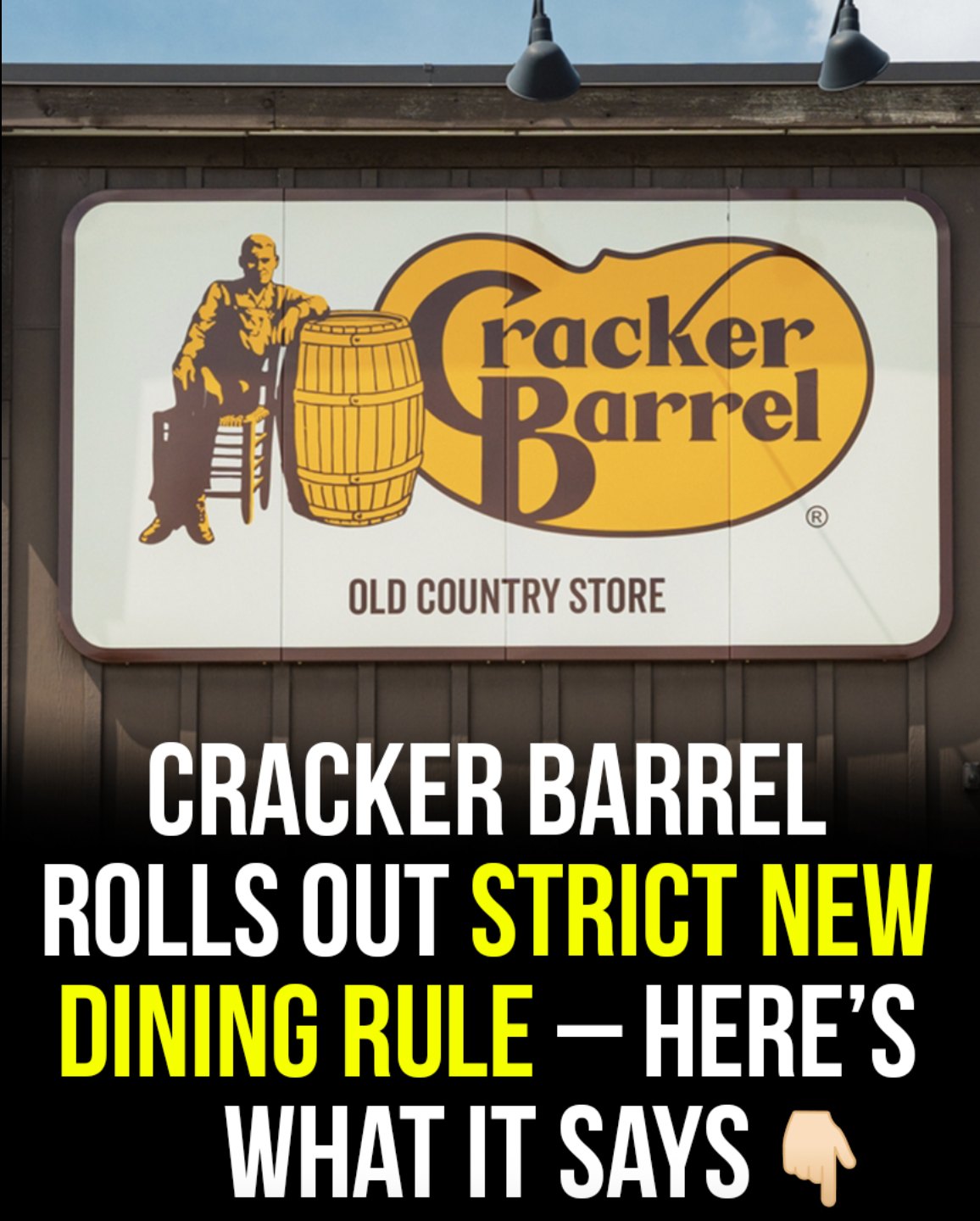
Cracker Barrel has long been recognized as a staple of Southern comfort food and nostalgic dining. Known for its country-store atmosphere, homestyle cooking, and traditional branding, the restaurant chain remains a strong player in the U.S. casual dining market.
In recent years, however, the company has navigated brand modernization efforts, public backlash, and strategic policy updates — all while aiming to protect shareholder value and customer loyalty.
From Rebrand Backlash to Brand Reset
In 2025, CEO Julie Masino launched a modernization initiative designed to refresh the company’s image. The effort included updated interiors and a redesigned logo that minimized the presence of longtime mascot Uncle Herschel.
Customer reaction was swift. Many loyal diners felt the new look strayed too far from the brand’s heritage positioning. Following public criticism and negative investor sentiment, the company reversed course within days.
Masino later acknowledged the intensity of the backlash, telling investors that the response felt like she had been “fired by America.” The leadership team quickly reinstated the classic “Old Timer” logo and re-centered marketing campaigns around nostalgia, heritage branding, and Southern hospitality.
The company also restored traditional menu favorites — including its signature handmade biscuits — and discontinued the pilot redesigns at four test locations.
New Corporate Travel Dining Guidance
Now, in 2026, the family dining chain is back in the headlines — this time over an internal employee travel policy.
According to reporting from The Wall Street Journal, a company memo outlines updated expense guidelines for staff traveling on business. Employees using a corporate credit card are encouraged to dine at Cracker Barrel locations whenever practical based on schedule and proximity.
The memo also reiterates limitations on expensing alcoholic beverages, requiring special approval in certain circumstances.
A company spokesperson clarified that the guidance is not new and is not intended to restrict employees’ choices. Instead, it reinforces existing corporate expense management standards and encourages team members to support the brand while traveling when feasible.
The company described the update as part of broader efforts to manage operational costs and maintain consistent expense policies — a common practice in corporate governance and publicly traded companies.
Financial Strategy and Brand Positioning
The renewed focus on brand consistency follows last year’s market turbulence. Reports at the time indicated that investor concerns over the rebrand contributed to a sharp, though temporary, decline in market value.
Even public figures, including Donald Trump, commented on the situation via social media, urging the company to prioritize customer satisfaction.
Since then, Cracker Barrel has leaned into its core value proposition: affordable family dining, Southern comfort food, and a nostalgic in-store retail experience. The strategy reflects a broader trend in the restaurant industry, where heritage brands are emphasizing authenticity and customer loyalty to drive revenue growth.
America250 Partnership and Expansion Strategy
The company also recently became an official partner of America250, the nationwide initiative commemorating the United States’ 250th anniversary.
Through the partnership, Cracker Barrel plans to host in-store events, launch limited-time menu offerings, and promote family-oriented experiences designed to align with patriotic celebrations and community engagement.
Chief Marketing Officer Sarah Moore emphasized that the brand’s identity extends beyond food service, highlighting its focus on shared traditions and multigenerational dining experiences.
Balancing Tradition and Corporate Efficiency
As inflation, consumer spending shifts, and evolving dining trends continue to shape the restaurant industry, Cracker Barrel’s latest policy update reflects a broader emphasis on operational efficiency, cost control, and brand alignment.
Whether viewed as a practical expense-management decision or a symbolic move reinforcing company loyalty, the policy underscores the chain’s commitment to staying rooted in its identity while navigating modern corporate strategy.
For a company built on nostalgia and comfort food classics, maintaining that balance appears to be central to its long-term growth and profitability.