Members of Congress are voicing concerns over the latest release of documents connected to convicted sex offender Jeffrey Epstein, arguing that significant portions remain heavily redacted despite public calls for full transparency.
The U.S. Department of Justice (DOJ) recently made more than three million pages of records available under the Epstein Files Transparency Act. However, several lawmakers say access has been limited and key names may still be withheld.
Limited Access Raises Questions
Representative Jamie Raskin expressed frustration over the process, noting that lawmakers were only permitted to review the files on a small number of computers at a DOJ satellite office.
According to Raskin, some redactions appeared excessive, while other sensitive details — including certain victims’ names — were not consistently protected. He said the reasoning behind several blacked-out sections was unclear.
Lawmakers from both parties have raised concerns about transparency and document handling procedures.
Previously Redacted Names Revealed
Representatives Thomas Massie and Ro Khanna, who co-authored the Epstein Files Transparency Act, reviewed the documents together.
During a floor speech, Khanna read six names that had previously been redacted in earlier releases. Those names included:
- Leslie Wexner
- Sultan Ahmed bin Sulayem
- Nicola Caputo
- Salvatore Nuara
- Zurab Mikeladze
- Leonic Leonov
Khanna also questioned whether some redactions were applied too broadly, particularly when it came to women whose names were removed without clarification regarding their role or status.
It is important to note that appearing in the documents does not imply criminal wrongdoing.
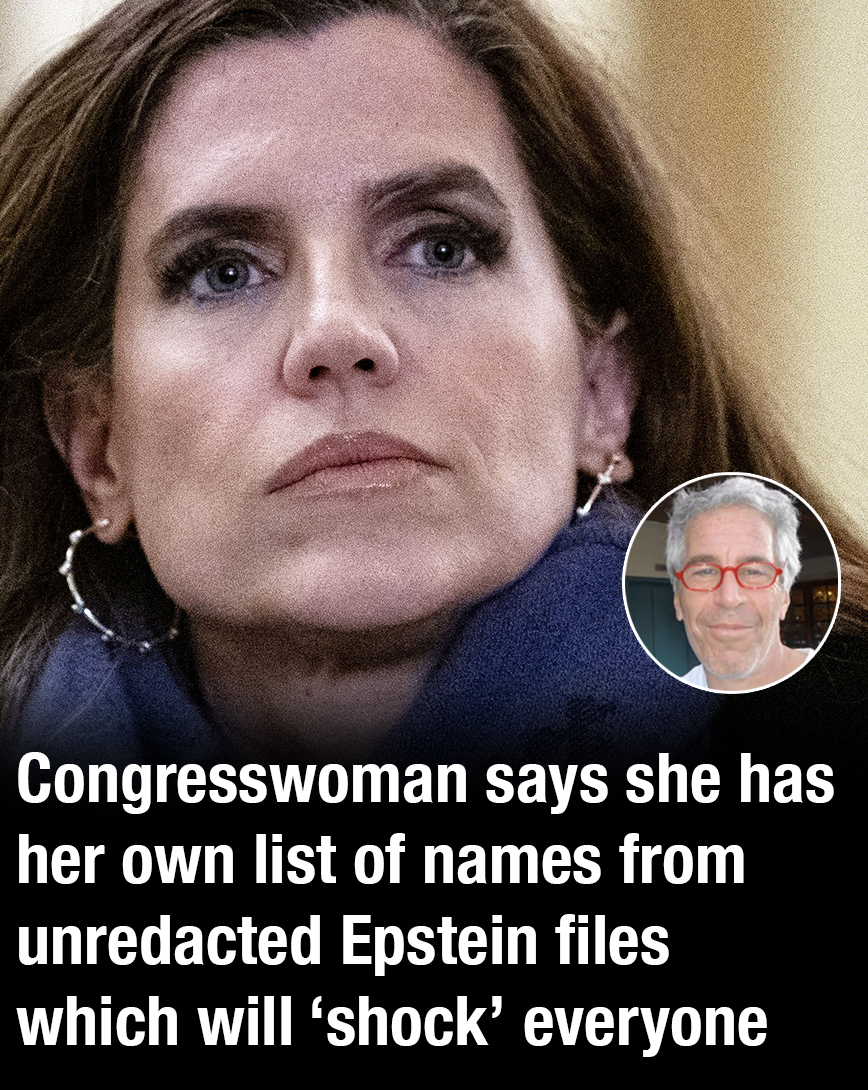
Nancy Mace Says She Compiled Her Own List
Representative Nancy Mace stated publicly that she reviewed the files and documented additional names that remain redacted.
“I took a lot of notes. I saw a lot of names,” she said in a television interview, adding that she focused on individuals who had not been arrested or formally investigated.
Mace also raised concerns about protecting victims’ identities, particularly minors, while calling for greater scrutiny of adults who may have played supporting roles in Epstein’s network.
She emphasized that simply being named in the files does not necessarily mean someone committed a crime but argued that associations with Epstein merit further review.
Broader Questions About Government Records
In recent statements, Mace claimed that additional digital records connected to Epstein may still be withheld. She has formally requested further documentation from the Southern District of New York and has called for increased disclosure regarding any federal agency records related to Epstein and his associate, Ghislaine Maxwell.
The CIA has previously declined to confirm or deny the existence of certain records, citing classification policies.
Lawmakers pressing for disclosure argue that transparency is essential for public trust, particularly in high-profile criminal investigations involving wealthy and influential individuals.
Ongoing Public Interest in the Epstein Case
The Epstein case continues to generate significant public attention, especially following Maxwell’s conviction and ongoing civil litigation. Questions surrounding potential co-conspirators, financial crimes, and institutional oversight remain central to congressional inquiries.
Advocates for transparency say the focus should remain on accountability and protecting survivors while ensuring that sensitive personal information is handled responsibly.
As lawmakers continue to review the documents, debates over redactions, government disclosure policies, and investigative scope are expected to continue on Capitol Hill.
The push for clarity reflects broader concerns about public records access, federal oversight, and justice system accountability in one of the most widely scrutinized criminal cases in recent U.S. history.