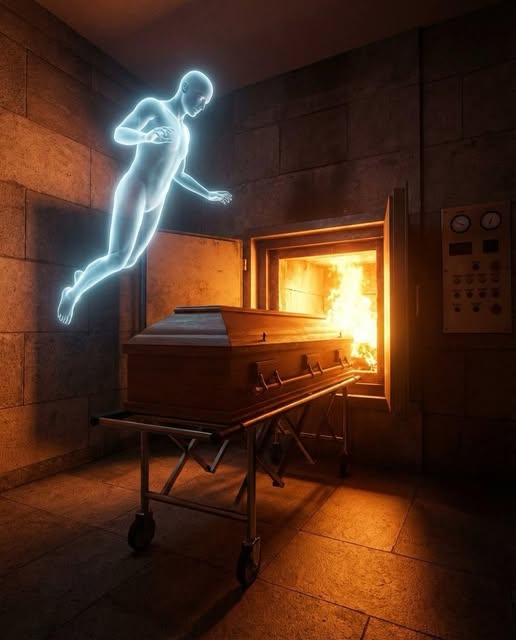
Few questions slow the heart like the ones we ask at the edge of life.
What happens after this world? And how should we honor the body when the journey here ends?
As cremation becomes more common across the United States, many people of faith—especially older adults—find themselves quietly thinking about it. Not from fear. From reverence. From a desire to do what’s right before God and before family.
For believers, final arrangements aren’t just logistics. They’re an extension of faith. A last act of stewardship. A moment to line up belief with practice.
What Scripture Shows Us About Burial
When you open the Bible, burial appears again and again.
Ancestors laid to rest. Kings buried with honor. Jesus placed in a tomb.
These stories shaped centuries of tradition. Burial came to symbolize dignity, care, and hope beyond death. The language of “dust to dust” reflects humility and trust—that the body returns to the earth while the soul rests in God’s promise.
For many believers, that symbolism still matters deeply. It’s familiar. It’s comforting. It feels faithful.
Tradition Is Not the Same as Command
Here’s the key truth many people miss:
Scripture describes burial as a custom, not a commandment.
The Bible doesn’t forbid cremation. It doesn’t declare one method holy and another sinful. Burial became the norm in ancient times because of culture, climate, and custom—not because of a direct spiritual requirement.
Continue reading on next page…