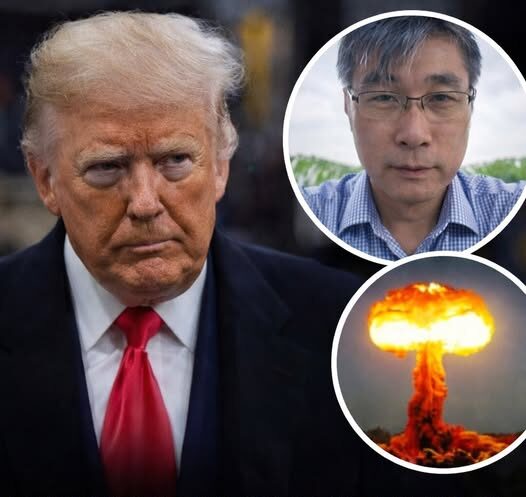
Experts Discuss the Potential Risks of a Prolonged U.S.–Iran Conflict
A Closer Look at Modern Geopolitical Tensions
International security discussions have increasingly focused on how future conflicts could unfold in a world shaped by advanced technology, interconnected economies, and global supply chains. Recent commentary from analysts, including Professor Xueqin Jiang, has contributed to this ongoing debate by examining what a potential escalation between the United States and Iran might look like in practical terms.
Rather than predicting specific outcomes, these perspectives explore broader strategic considerations — particularly the possibility that modern conflicts may not resolve quickly, but instead develop into extended situations with wide-reaching consequences.
The Concept of a “Long-Term Conflict” Scenario
Some analysts describe the possibility of prolonged tensions as a long-duration strategic scenario. In this view, modern confrontations may evolve beyond short-term military engagements and instead become sustained tests of economic stability, logistics, political resilience, and technological capacity.
The emphasis in such discussions is not on battlefield outcomes alone, but on endurance — including:
Resource management
Economic sustainability
Industrial capacity
Supply chain resilience
Political cohesion
This framework reflects how contemporary strategy increasingly considers long-term stability alongside immediate defense capabilities.
Technology and the Changing Nature of Defense
Modern military planning differs significantly from traditional models centered solely on large troop movements or conventional engagements. Today’s strategies often include:
Advanced surveillance systems
Unmanned technologies
Missile defense networks
Cybersecurity capabilities
Distributed operational structures
These developments have reshaped how nations approach deterrence, preparedness, and response planning. Analysts note that technological innovation plays a central role in both defense strategy and geopolitical calculations.
At the same time, advanced systems introduce new complexities, including maintenance costs, operational sustainability, and rapid technological evolution.
The Economic Dimension of Security
Another important aspect of modern conflict analysis involves economic resilience.
In today’s environment, defense strategies must account for financial sustainability. Some systems designed for protection can be resource-intensive, while other technologies may be comparatively less costly to produce. This dynamic has encouraged researchers and policymakers to examine how long-term economic balance affects national security planning.
Modern geopolitical strategy increasingly integrates economics, industry, and innovation as core components of stability.
Regional Stability and Global Impact
The Middle East remains strategically significant due to its energy resources and key transportation routes. Even limited disruptions in the region can influence:
Continue reading on the next page…