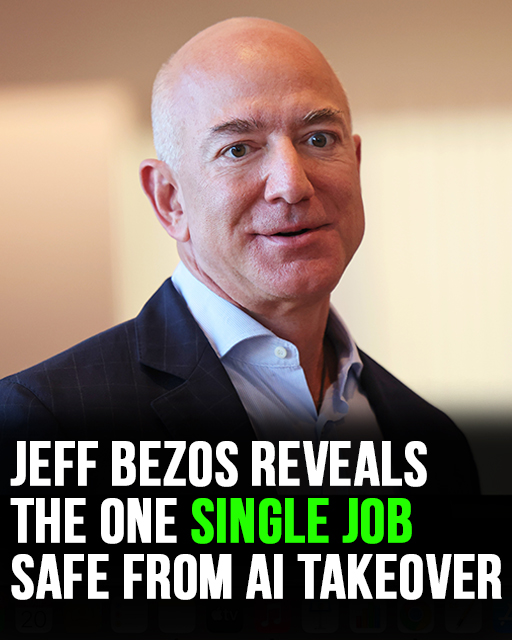
As artificial intelligence continues to transform industries and reshape the global workforce, Jeff Bezos has issued a clear warning: only one type of ability is truly safe from automation—and it could define who thrives in the evolving job market.
Not long ago, Bill Gates highlighted three professions he believes will remain secure in an AI-driven world. Now, Bezos is adding his perspective, narrowing it down even further to a single defining skill.
Amazon, AI, and Workforce Changes
Amazon has long been viewed as a benchmark for digital transformation and workplace automation. Recent developments show that this shift is accelerating quickly.
The company has implemented major layoffs across multiple departments, signaling a broader move toward AI-powered systems and operational efficiency. Reports indicate that Amazon cut around 14,000 corporate roles globally toward the end of 2025, with expectations of further reductions as automation expands.
These changes are part of a wider restructuring effort that could impact up to 30,000 positions. The trend reflects how businesses are increasingly using artificial intelligence to handle logistics, customer service, and large-scale data processing—areas once heavily dependent on human labor.
Across industries, this transition is redefining the labor market. Jobs built on repetitive tasks or predictable workflows are becoming less essential, while roles requiring human creativity are gaining importance.
The Real Divide: Execution vs. Creativity
Speaking at Italian Tech Week 2025, Bezos offered a direct perspective on the future of jobs. Instead of naming specific careers, he emphasized a deeper distinction—between following instructions and creating something original.
According to Bezos, the people AI will never replace are those who can invent.
His argument is rooted in a key limitation of artificial intelligence. While AI excels at analyzing data, recognizing patterns, and optimizing systems, it still struggles with genuine creativity and original thinking.
To illustrate, Bezos shared his own approach: give him a whiteboard, and he can generate dozens of new ideas in a short time. This ability to create—not just execute—is what sets humans apart in an AI-driven economy.
How Employers Are Rethinking Talent
This mindset also influences how Bezos evaluates potential hires. Rather than focusing only on technical skills or experience, he prioritizes innovation and independent thinking.
During a panel discussion, he explained that he often asks candidates to describe something they’ve personally invented. The goal is to understand how they think, not just what they know.
This reflects a broader shift in hiring trends. Employers are placing increasing value on creativity, problem-solving, and the ability to generate new ideas—skills that are difficult for AI to replicate.
As automation continues to handle routine work, these human-driven capabilities are becoming essential for long-term career growth and job security.
AI’s Impact: Opportunity, Not Just Risk
Despite concerns about job loss and automation, Bezos remains optimistic about the future of artificial intelligence. He believes the technology will deliver significant benefits across multiple sectors.
From manufacturing to hospitality and consumer services, AI is expected to improve productivity, enhance quality, and drive innovation. Businesses adopting AI tools are likely to become more efficient and competitive.
Bezos described these advancements as “gigantic” in their potential impact, emphasizing that we are entering a period of rapid progress and opportunity.
The Bottom Line
As AI continues to evolve, Bezos offers a clear takeaway: the safest position in the future workforce isn’t tied to a specific job title—it’s tied to a way of thinking.
The ability to innovate, think creatively, and generate original ideas may ultimately determine who stays relevant in a rapidly changing economy.
So the question remains: is your skill set prepared for the future of work, or is it time to adapt?