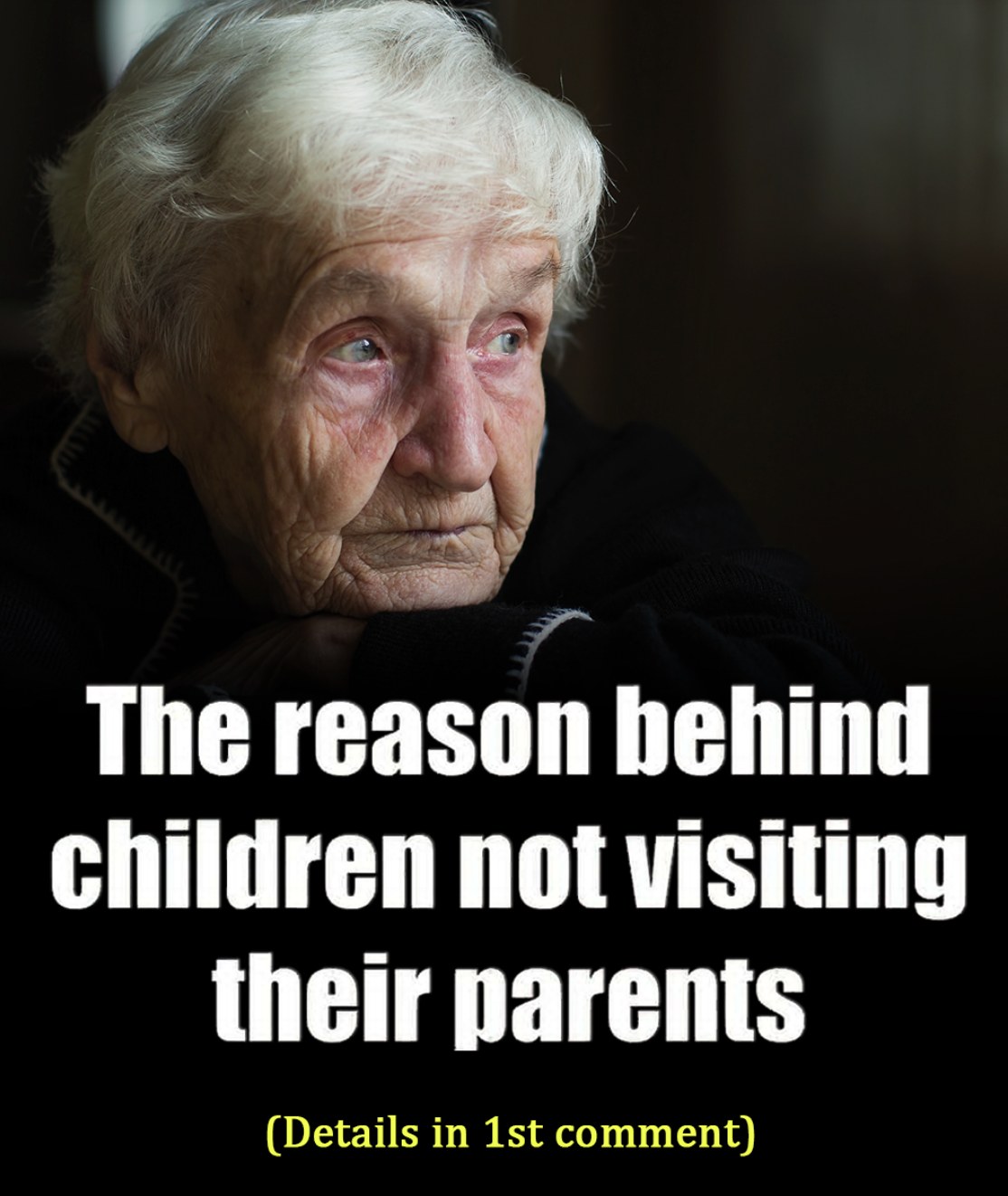
Family relationships are often seen as lifelong bonds built on love, support, and shared history. But for some parents, there comes a difficult realization: visits become less frequent, calls grow shorter, and the connection with their children slowly fades.
This kind of emotional distance rarely happens suddenly. Instead, it tends to develop over time, shaped by small, repeated experiences that gradually create space between loved ones.
It’s not always about lack of love
When adult children begin to pull away, it’s often misunderstood as rejection. In reality, it’s usually not about a lack of love—but about emotional well-being. Many step back as a way to protect their mental health and reduce stress in the relationship.
Here are some of the most common reasons this distance can grow.
1. When concern feels like criticism
Parents naturally want the best for their children. However, frequent comments about lifestyle, career, or personal choices can sometimes come across as judgment instead of care.
Over time, conversations that feel critical can make visits emotionally exhausting, leading adult children to limit contact.
2. Boundaries are essential for healthy relationships
As children grow into adults, they often set boundaries to maintain balance in their lives—whether it’s avoiding certain topics or parenting in their own way.
When these boundaries aren’t respected, it can create tension. Honoring them is key to maintaining trust and mutual respect.
3. Repeating past conflicts
Constantly revisiting old arguments or unresolved issues can make interactions feel heavy and draining. Adult children may distance themselves to avoid being pulled back into past conflicts that haven’t been resolved.
4. The importance of acknowledgment
Every family experiences challenges, but healing often requires recognition of past hurt. When concerns are dismissed or minimized, it can make open communication difficult and prevent emotional repair.
5. Acceptance of life partners matters
A child’s partner becomes an important part of their life. If that relationship isn’t welcomed or respected, it can create discomfort and lead to fewer visits.
Support and inclusion help strengthen family bonds, while tension can push them apart.
6. Differences in parenting styles
When grandparents openly challenge how their adult children raise their own kids, it can lead to conflict. Many parents choose to create distance to maintain consistency and stability for their children.
7. Help should feel supportive, not conditional
Offering financial or emotional support is often an expression of love. However, when it comes with expectations or reminders, it can feel controlling rather than helpful.
Adult children may prefer independence over support that feels tied to obligation.
8. Recognizing who they are today
As people grow, they change. When conversations remain focused only on the past, adult children may feel unseen or misunderstood in who they’ve become.
Building a connection based on their present life helps strengthen the relationship moving forward.
Moving toward reconnection
Distance in families can be painful on both sides. Parents may feel hurt or confused, while children may feel overwhelmed or unheard. In many cases, both sides still care deeply—they’re just navigating the relationship differently.
Rebuilding connection often starts with small steps:
- Listening without judgment
- Respecting boundaries
- Acknowledging feelings, even when they’re difficult
Strong family relationships evolve over time. With understanding and open communication, it’s possible to reconnect and create a healthier dynamic for the future.
If this topic resonates, consider sharing it with others—sometimes awareness is the first step toward healing and stronger family bonds.