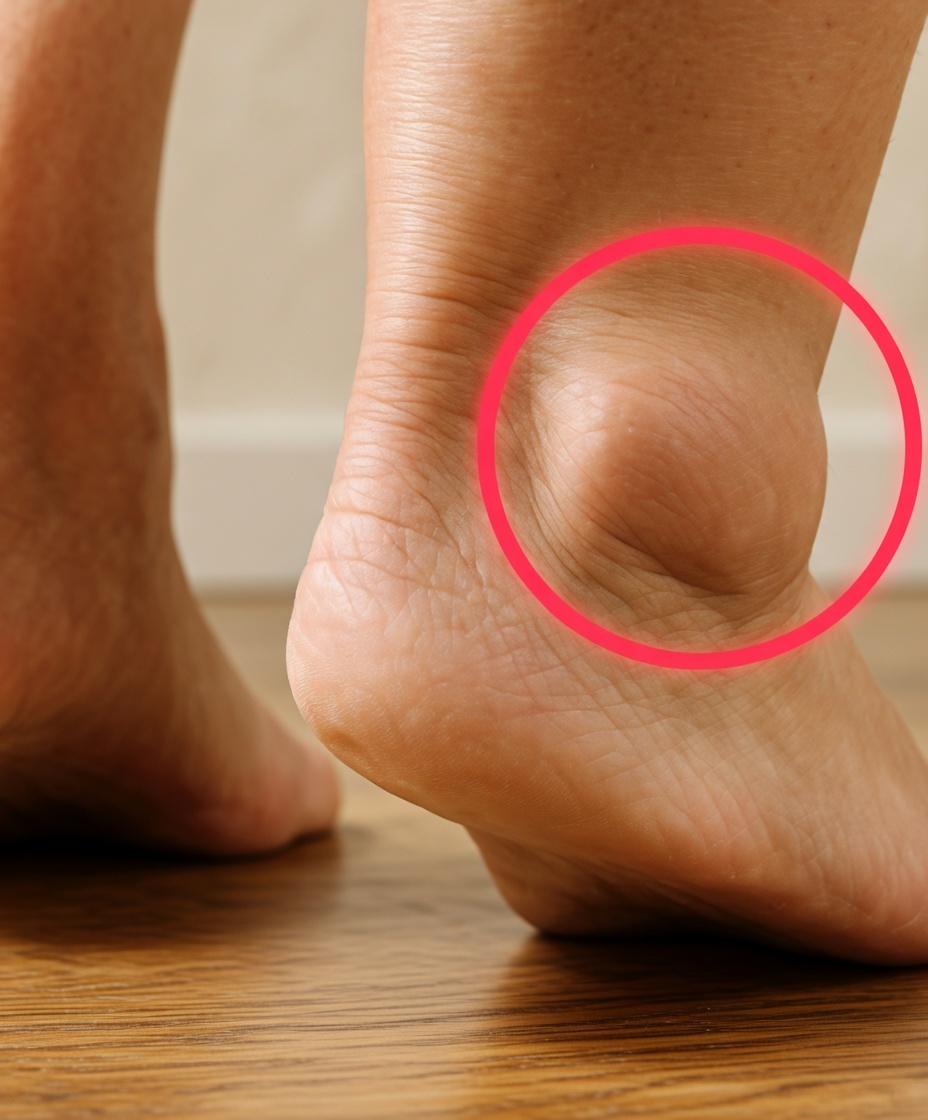
Why Swollen Feet Are Common in Older Adults and What Helps
A Common Concern in Later Life
Swollen feet are a frequent issue among older adults. While occasional swelling can happen after long periods of sitting or standing, recurring or persistent swelling may signal underlying concerns such as poor circulation or fluid imbalance. Beyond discomfort, it can affect mobility, making everyday activities more challenging.
Understanding Edema
This type of swelling is known as edema, a condition where excess fluid collects in body tissues—most often in the feet, ankles, and lower legs. Gravity plays a major role, pulling fluid downward, which is why swelling is usually more noticeable in these areas. Early signs may include tightness, puffiness, or marks left by socks and shoes.
Why Aging Increases the Risk
As the body ages, circulation tends to slow down. Blood does not flow back to the heart as efficiently, especially from the lower limbs. This makes fluid retention more likely. Reduced physical activity, which is common with age, can further contribute to the problem by limiting the natural movement that helps keep blood circulating.
Poor Circulation and Its Effects
One of the leading causes of swollen feet is reduced circulation. When blood flow slows, fluid can pool in the lower extremities. This often happens after sitting or standing for long periods without movement. Over time, even mild circulation issues can lead to regular discomfort and heaviness in the feet.
Chronic Venous Insufficiency
Another possible cause is Chronic Venous Insufficiency, a condition where leg veins struggle to send blood back to the heart. This can lead to ongoing swelling, especially later in the day. In some cases, it may also cause visible skin changes or discomfort around the ankles.
The Role of Medications
Certain medications may also contribute to swelling. Treatments for high blood pressure, inflammation, or other chronic conditions can sometimes cause the body to retain fluid. If swelling appears after starting a new medication or becomes more frequent, it may be worth discussing with a healthcare provider.
When It Could Be More Serious
In some cases, swollen feet may be linked to more serious health conditions involving the heart, kidneys, or liver. These organs play a key role in managing fluid balance. When they are not functioning properly, fluid can build up in the lower body. Persistent swelling should never be ignored, especially if it worsens over time.
How Daily Habits Make a Difference
Lifestyle plays a big role in swelling. Long periods of inactivity—such as sitting for hours or standing without movement—can slow circulation. Even small changes, like walking regularly or shifting positions throughout the day, can help prevent fluid buildup.
Continue reading on the next page…