In the 1970s, few names defined American pop culture, celebrity branding, and television history quite like Farrah Fawcett. Long before today’s Hollywood headlines were dominated by stars like Kim Kardashian, Sydney Sweeney, Scarlett Johansson, or Jennifer Lawrence, Farrah was the face of 1970s glamour.
Best known for playing Jill Munroe on Charlie’s Angels and for her record-breaking red swimsuit poster, she became a global icon. Yet beyond the Hollywood fame, television ratings, and endorsement deals, her life story is filled with lesser-known details that reveal depth, resilience, and surprising talent.
Here are 18 fascinating facts about Farrah Fawcett’s life, career, and legacy.
1. She Once Considered Becoming a Nun
Raised in a Catholic household, Farrah briefly considered joining a convent as a child. In later interviews, she explained that the idea lasted about a week. She imagined it would be a simple, structured life—very different from the entertainment industry she would later dominate.
2. She Struggled Between Fame and Family Values
Farrah often spoke about feeling torn between traditional family life and a high-powered acting career. Like many women navigating career growth and personal expectations, she felt the pressure of two worlds colliding—homemaker and Hollywood star.
3. She Was Voted “Most Beautiful” Repeatedly
Her beauty was widely recognized long before she became a household name. In high school, she was voted “Most Beautiful” three consecutive years. Even at the University of Texas, she earned similar honors—rare recognition that foreshadowed her modeling and acting success.
4. A Hollywood Publicist Discovered Her in College
While she was still in school, a Los Angeles publicist persistently encouraged her to move to California. What began as a short-term opportunity turned into a full-time career in entertainment and media.
5. She Appeared on The Dating Game
Before becoming a prime-time TV star, Farrah appeared on The Dating Game. Even then, producers positioned her as someone men would compete for—an early glimpse into her future celebrity status.
6. She Was a Dedicated Fan of Van Morrison
Farrah loved Van Morrison’s music, and the admiration was mutual. During her later health struggles, he recorded a performance for her when she was too ill to attend in person—a touching example of respect between artists.
7. Her Red Swimsuit Poster Became a Cultural Phenomenon
Her 1976 red swimsuit poster sold millions of copies, becoming one of the most iconic images in American pop culture history. Interestingly, Farrah chose the red one-piece herself instead of the originally suggested bikini—a branding decision that proved timeless.
8. Her Beauty Routine Was Surprisingly Simple
Despite being a beauty icon, Farrah favored minimal makeup and natural skincare. She often styled her own hair and makeup, even during major photo shoots, reflecting her low-maintenance approach to personal care.
9. The Secret Behind Her Famous Feathered Hair
Her layered, feathered hairstyle became one of the most requested salon looks of the 1970s. Stylists explained that the look relied on blow-drying with round brushes and flipping the hair outward—creating volume that defined an era of fashion and beauty trends.
10. Her Marriage to Lee Majors Was High-Profile
Farrah married Lee Majors in 1973. Their relationship drew major media attention, especially as both careers expanded. They eventually divorced, citing the strain of demanding schedules and Hollywood pressure.
11. Tennis Helped Her Land Charlie’s Angels
Producer Aaron Spelling reportedly noticed her athletic ability during tennis matches. Her skills were written into her character, Jill Munroe, helping differentiate her on-screen persona.
12. She Replaced Susan Sarandon in an Off-Broadway Production
Farrah proved she was more than a television star when she stepped into the play Extremities. Her performance earned critical praise and later led to a Golden Globe nomination for the film adaptation.
13. Rumors Followed a Late-Night Appearance
A 1997 appearance on Late Show with David Letterman sparked media speculation about her behavior. Those close to her stated she was simply nervous and playful, not struggling as rumors suggested.
14. She Left Charlie’s Angels at the Height of Its Success
Despite the show’s high television ratings and advertising revenue, Farrah left after one season. She feared being typecast and wanted roles that offered artistic depth and long-term career growth.
15. She Challenged the “Jiggle TV” Label
Farrah openly discussed the limitations placed on women in entertainment during the 1970s. She wanted her character to show vulnerability and emotional complexity, not just glamour.
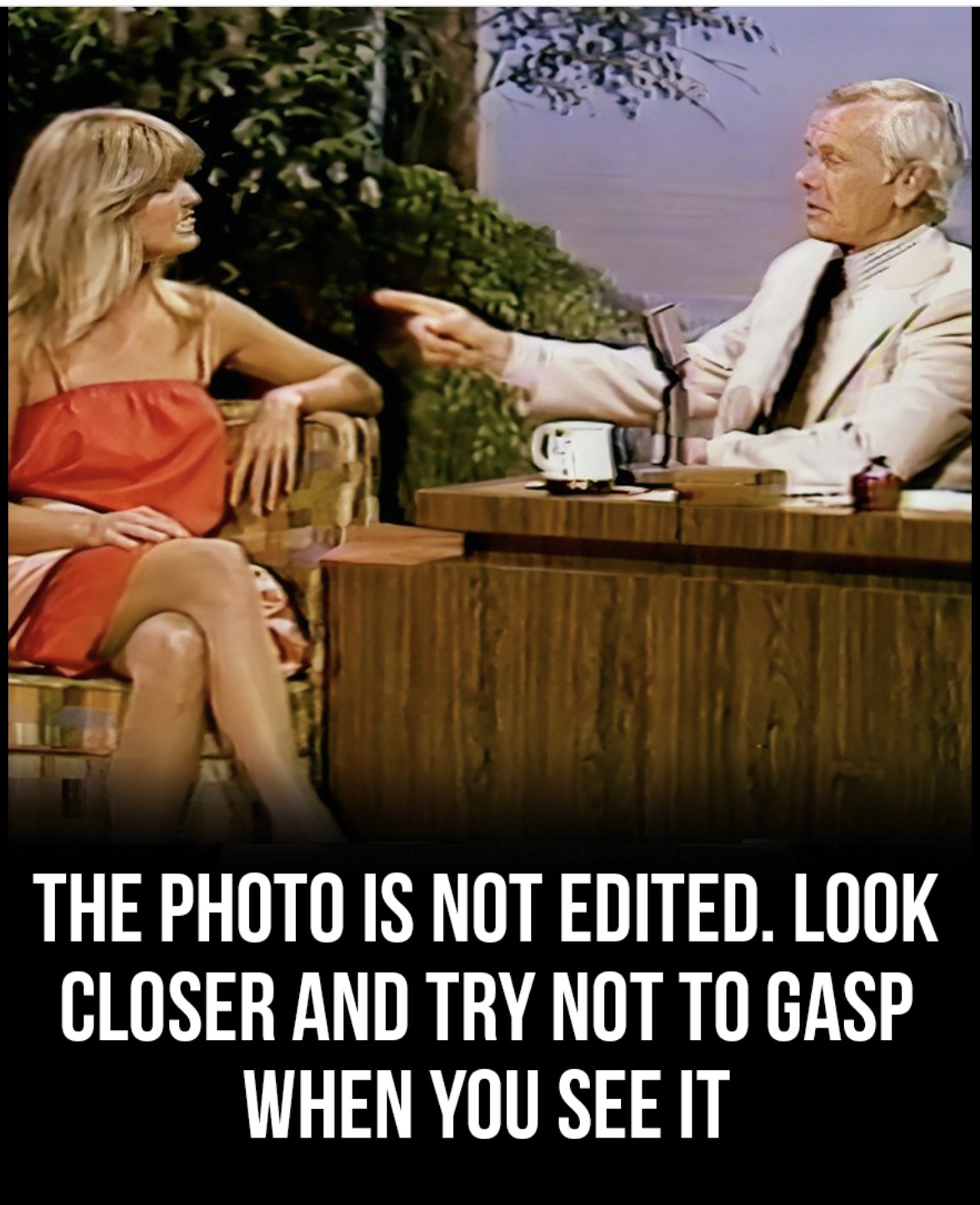
16. She Shined on The Tonight Show Starring Johnny Carson
In 1978, Farrah appeared on Johnny Carson’s show to promote Somebody Killed Her Husband. Fans noted her confidence and charisma. She had trimmed her famous hair for the role—showing she was willing to move beyond her established image.
17. She Was a Talented Sculptor
Beyond acting and modeling, Farrah was deeply invested in fine art. Mentored by sculptor Charles Umlauf, she created numerous sculptures displayed in her home. Art insiders have said her sculpting skills were genuinely impressive.
18. She Faced Cancer With Remarkable Strength
In her final years, Farrah documented her battle with cancer in a television special that aired on NBC. According to her physician, she approached her illness with determination and courage, maintaining control over her treatment decisions.
She passed away in 2009 at age 62, leaving behind not only a legacy of beauty and fame but also one of resilience, independence, and creative ambition.
Why Farrah Fawcett Still Matters
Farrah Fawcett wasn’t just a 1970s pin-up or television star—she was a brand, a cultural icon, and a pioneer for women seeking longevity in Hollywood careers. From record-breaking poster sales to prime-time television success, from fine art to advocacy during illness, she built a multidimensional legacy.
Decades later, her hairstyle remains recognizable, her images still circulate in pop culture marketing, and her story continues to inspire conversations about fame, reinvention, and personal strength.
True icons don’t fade—they evolve in public memory. Farrah Fawcett remains one of them.