During the Golden Age of Hollywood, the film industry was known for its glamour, prestige, and powerful studio system. Careers could rise overnight — but they could also be halted just as quickly.
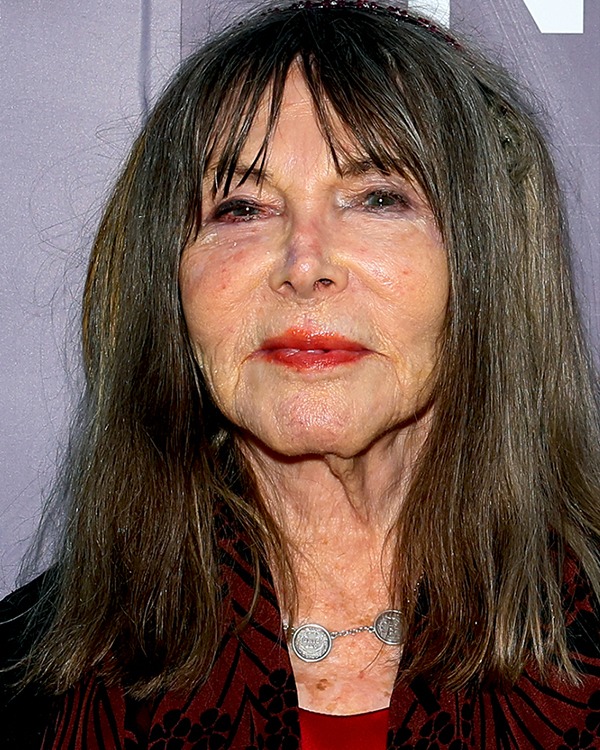
Among the most promising actresses of the early 1950s was Lee Grant, a performer celebrated for both her striking screen presence and dramatic range. At one point, she appeared destined for long-term stardom. Yet her journey through classic Hollywood would take an unexpected and challenging turn.
A Breakthrough Role and Award Recognition
In the early 1950s, Lee Grant was widely regarded as one of Hollywood’s emerging talents. Her film debut came in Detective Story, where she starred opposite Kirk Douglas.
The performance earned her an Academy Award nomination for Best Supporting Actress and the Best Actress Award at the Cannes Film Festival — an impressive achievement for a first major film role.
Industry insiders viewed her as a rising star. Producers cast her in roles that showcased her poise and versatility, and audiences responded positively. For a brief period, her trajectory reflected the promise of long-term success in the competitive world of Hollywood cinema.
Industry Politics and a Career Setback
However, her momentum slowed dramatically in the early 1950s. At the time, major studios held significant control over actors’ contracts, public images, and casting opportunities.
According to historical accounts, Grant delivered an emotional speech at a 1951 memorial service for actor J. Edward Bromberg. In her remarks, she suggested that the stress he faced after being called before the House Un-American Activities Committee may have contributed to his death.
The period was marked by intense political scrutiny in the entertainment industry. Many actors, writers, and directors faced blacklisting during the era’s anti-communist investigations. Careers were often disrupted based on perceived political associations.
For Grant, professional opportunities became limited for more than a decade. Work in major studio productions became difficult to secure, and her once-rapid rise slowed considerably.
Navigating Hollywood’s Golden Age Power Structure
During Hollywood’s studio era, contracts could be revoked and casting decisions influenced by political or personal disputes. The system left little room for independence.
While Grant did continue working in selected projects, including Valley of the Dolls, Columbo, Shampoo, and later Mulholland Drive, the 1950s and early 1960s were notably challenging.
Her early momentum had been interrupted during what could have been her most commercially productive years.
A Return to Award-Winning Recognition
Despite setbacks, Grant eventually reestablished herself in the industry. She went on to win the Academy Award for Best Supporting Actress for her performance in Shampoo in 1976 — a milestone that underscored her resilience and lasting talent.
Her later success demonstrated that early career disruption did not define her full legacy.
A Lasting Legacy in Film History
Lee Grant’s story reflects both the opportunities and vulnerabilities of Hollywood’s Golden Age. The same studio system that launched careers could also limit them.
Today, film historians often cite her journey as an example of how political and industry pressures shaped mid-20th-century entertainment careers. Her performances remain part of classic American cinema, and her eventual comeback highlights the long-term value of persistence in a competitive industry.
In an era when actors now have greater contractual freedom and independent production options, her experience serves as a reminder of how much the entertainment business has evolved.
Though Hollywood’s power dynamics have changed, Lee Grant’s early promise, career challenges, and later achievements continue to secure her place in film history.