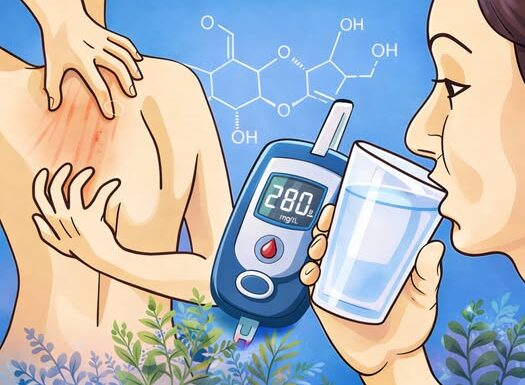
- Frequent Urination
Sudden trips to the bathroom—especially at night—can indicate your kidneys are working overtime to remove excess glucose. This constant cycle may leave you feeling dehydrated and drained. - Persistent Thirst
Increased urination leads to fluid loss, leaving you constantly thirsty despite drinking water. This combination is often one of the first signals to pay attention to. - Blurred Vision
High blood sugar can pull fluid from eye tissues, temporarily changing the shape of the lens and making vision hazy or double. Repeated episodes may indicate ongoing glucose imbalances. - Fatigue Despite Rest
When glucose stays in the bloodstream instead of fueling cells, energy drops. Even after a full night’s sleep, you may feel sluggish or exhausted throughout the day. - Unexpected Weight Loss
If insulin isn’t effective, the body may burn fat and muscle for energy, leading to unintended weight loss. This is often a subtle but important sign. - Increased Infections
Elevated glucose levels create an environment where bacteria and fungi thrive, making infections like UTIs or yeast infections more frequent and slower to heal. - Slow-Healing Wounds
High blood sugar can hinder circulation and tissue repair. Cuts, bruises, or minor injuries may linger longer than usual, signaling your body needs attention.
Daily Habits That Help Balance Blood Sugar
Managing glucose isn’t just about medication—it’s also lifestyle. Small changes can make a noticeable difference:
Eat smart: Focus on fiber-rich vegetables, lean protein, and whole grains.
Move regularly: Walking or light exercise helps your body use glucose efficiently.
Stay hydrated: Proper hydration supports kidney function and overall health.
Prioritize sleep & manage stress: Both play a crucial role in metabolic balance.
Monitor when advised: Tracking blood sugar can provide insights into how habits affect your body.
Listen to Your Body
Persistent fatigue, thirst, blurred vision, or frequent urination are more than minor annoyances—they’re signals your body needs help. Recognizing these early gives you a chance to take action before complications arise.
Even small adjustments in diet, activity, and sleep can improve energy, focus, and overall well-being.
FAQs
Q: What are early warning signs of high blood sugar?
A: Frequent urination, persistent thirst, fatigue, and blurred vision are common early indicators.
Q: Can high blood sugar affect weight?
A: Yes. Unintended weight loss can occur as the body burns fat or muscle for energy when glucose can’t reach cells.
Q: When should I see a doctor?
A: If symptoms persist, worsen, or come with confusion, nausea, or unusual breath odor, seek professional medical evaluation immediately.
Take charge of your health today!
Notice changes, act early, and make small lifestyle adjustments to keep blood sugar in check. Share this guide with friends and family—awareness is the first step toward prevention.