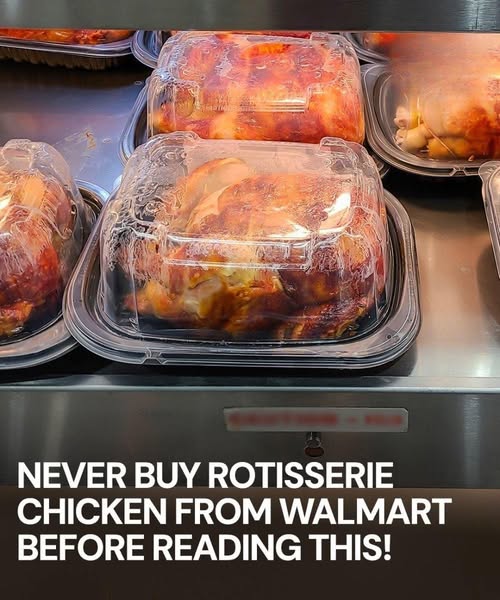
What to look for:
- Even golden-brown color
- Slight crispiness
- No excessive blackened areas
- Look at the Juices
Take a peek at the bottom of the container. The juices can reveal freshness and moisture.
Fresh rotisserie chicken usually has clear or slightly golden juices. If the liquid looks cloudy, greasy, or overly thick, it may have been sitting out for too long.
Why it matters:
- Clear juices = fresher chicken
- Too much liquid = possibly overcooked or reheated
- Check the Packaging Time
Many stores label their rotisserie chickens with the time they were cooked or packaged. This is one of the most important details to check.
Rotisserie chickens are best when they’re fresh off the spit. The longer they sit under heat lamps, the more they dry out and lose flavor.
Tip:
- Try to buy one cooked within the last 1–2 hours
- If there’s no label, ask a store employee when it was prepared
- Feel the Weight
This might sound simple, but weight matters. Pick up a couple of chickens and compare.
A heavier chicken usually means it’s juicier and hasn’t dried out. Lighter ones may have lost moisture from sitting too long under heat.
Quick test:
- Choose the one that feels heavier for its size
- Avoid chickens that feel unusually light
- Smell Before You Buy (If Possible)
If the packaging allows even a slight smell, trust your nose.
A fresh rotisserie chicken should smell savory, warm, and appetizing. If you detect any sour, stale, or overly greasy odor, it’s best to skip it.
Remember:
- Good smell = fresh and flavorful
- Off smell = not worth the risk
Final Thoughts
Rotisserie chicken is a great shortcut for busy days, but taking a few extra seconds to inspect it can make a big difference in your meal. By checking the skin color, juices, packaging time, weight, and smell, you’ll avoid dry, bland, or less-than-fresh options.
A good rotisserie chicken should be juicy, flavorful, and ready to enjoy—not disappointing. So next time you’re at the store, don’t just grab the first one you see—choose wisely.