Understanding Erysipelas: A Common but Serious Skin Infection
Erysipelas is a bacterial skin infection that develops quickly and can become serious if not treated early. While it is usually manageable with antibiotics, fast recognition and treatment are essential to avoid complications and support a smooth recovery.
What Erysipelas Is and How It Affects the Body
Erysipelas is an infection that targets the upper layers of the skin along with the lymphatic system. It is most commonly caused by group A Streptococcus bacteria, the same type often responsible for strep throat.
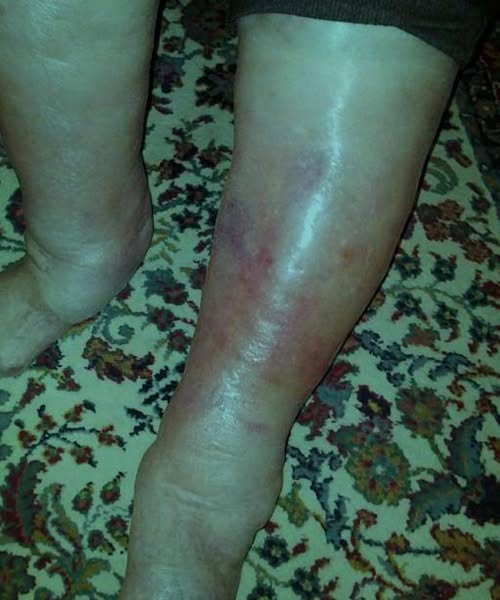
A key feature that helps distinguish erysipelas from similar skin conditions is its appearance. It typically shows up as a bright red, swollen patch of skin with clearly defined, raised edges.
It most often develops on areas such as the lower legs and the face, particularly the cheeks and nose.
Common Symptoms of Erysipelas
This infection often appears suddenly and can progress rapidly, sometimes within hours. Symptoms may affect both the skin and the body as a whole.
Typical signs include:
- Sudden redness, warmth, and swelling of the skin
- Sharp, well-defined borders around the affected area
- Pain or tenderness in the region
- Fever and chills
- Fatigue or a general feeling of illness
When it affects the face, swelling can become more noticeable and may spread quickly if not treated.
Continue reading on the next page…