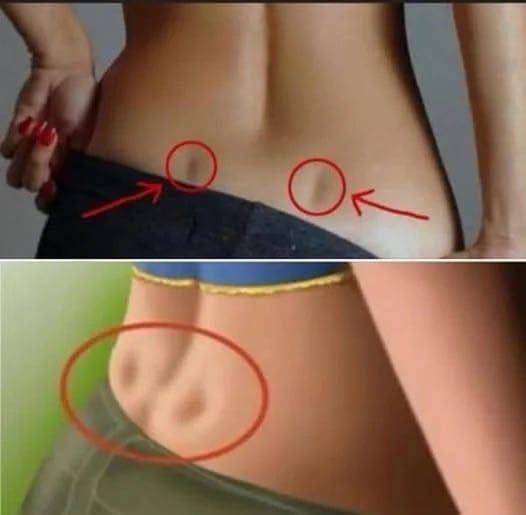
Lower Back Dimples Explained: What They Really Mean
A Small Feature That Gets Big Attention
Lower back dimples—often called Venus or Apollo dimples—are those small, symmetrical indentations some people notice just above the buttocks. They tend to stand out visually, which is why they often spark curiosity online and in fitness conversations.
Despite the attention they receive, they are not a sign of superior health, fitness, or attractiveness. They are simply one of many natural variations in human anatomy.
The Simple Anatomy Behind Them
These dimples appear where the skin connects more tightly to underlying structures in the pelvis. In certain bodies, ligaments and bone placement create slight inward points in the skin.
When this connection is more pronounced, the dimples become visible. When it is not, the area appears smooth.
This difference comes down to natural skeletal structure, genetics, and body composition—not effort or lifestyle choices.
Why Some People Have Them and Others Don’t
Not everyone is built the same way, and this feature is a perfect example of that. Two people can follow similar fitness routines and still look completely different in this area.
The presence of lower back dimples is not something that can be reliably created through exercise or diet alone. It is largely predetermined by anatomy.
What Can Affect Their Visibility
While you cannot “create” them through training, certain factors may make them more noticeable.
Lower body fat levels can reveal more natural contours of the body. Increased muscle tone in the lower back and glutes can also enhance definition in the surrounding area.
However, these changes only highlight what is already structurally present. If the anatomical connection isn’t there, the dimples simply won’t appear.
Continue reading on the next page…