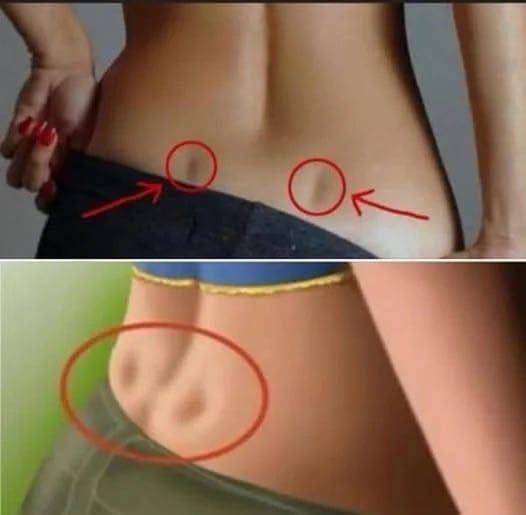
The Myth of “Achieving” Lower Back Dimples
On social media, certain physical traits often get treated like goals. Lower back dimples are one of them.
But unlike strength, endurance, or mobility, this is not a performance-based outcome. It is not something that reflects progress in fitness or health.
Chasing it as a goal can create unnecessary pressure and shift focus away from more meaningful improvements.
A Healthier Way to Think About Fitness
A more effective approach is to focus on building a strong, functional body. The muscles in your core, lower back, and glutes work together to support posture, movement, and stability.
Exercises like glute bridges, deadlifts, and core stability training help improve strength and reduce injury risk. These benefits matter far more than any single visual feature.
Function Over Appearance
While appearance changes can be motivating, long-term health is driven by function. Strong muscles, good posture, and balanced movement patterns improve daily life far more than small aesthetic details.
When fitness goals shift toward performance and well-being, results become more sustainable and rewarding.
Natural Body Differences Are Normal
Every body has unique structural traits. Lower back dimples are just one example of how genetics shape physical appearance.
Some people have them clearly visible, some faintly, and many not at all. None of these variations reflect value, discipline, or health status.
Letting Go of Unnecessary Standards
Not every visible feature needs to become a standard to achieve. Many traits highlighted online are simply natural variations, not goals.
Understanding this helps reduce comparison and encourages a more realistic relationship with your body.
Final Takeaway
Lower back dimples are a harmless, natural anatomical feature influenced mostly by genetics and structure. They are not a marker of fitness or something that can be reliably trained into existence.
A healthier mindset focuses on strength, movement, and overall well-being rather than isolated physical traits.
Closing Thought
Your body doesn’t need to match every aesthetic trend to be strong or healthy. Focus on what it can do, not just how it looks—and the results will speak for themselves.