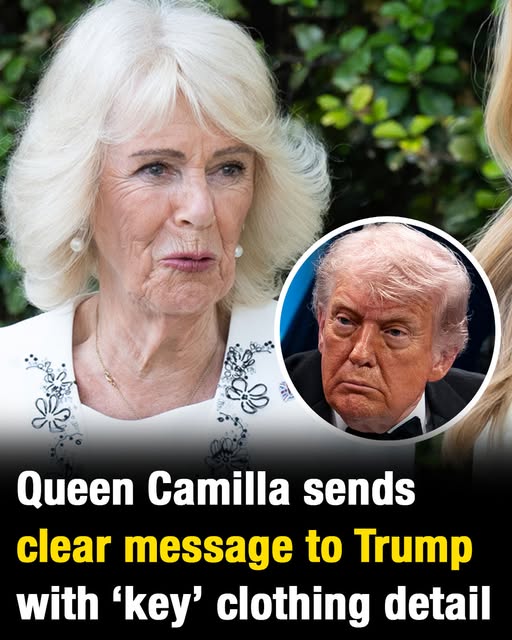
The arrival of King Charles III and Queen Camilla in the United States marked more than a routine state visit. Set against a backdrop of evolving political discussions, the four-day trip drew global attention as both nations looked to reinforce long-standing ties. While official meetings and speeches played a key role, it was a quiet, symbolic gesture that quickly became a focal point of conversation.
A Changing Political Climate
In recent months, the relationship between the U.K. and the U.S. has faced moments of tension, particularly around international policy decisions. During earlier engagements, Donald Trump had publicly praised the historic alliance, emphasizing shared values and cultural connections.
However, differences in policy direction—especially regarding global security strategies—have introduced new challenges. Public remarks involving Keir Starmer also added to the evolving narrative, highlighting how political discourse can influence international perception.
The Power of Symbolism in Diplomacy
Despite the political backdrop, the British monarchy traditionally operates above direct political debate, often relying on symbolic communication. During the arrival, Queen Camilla wore a notable brooch that quickly caught the attention of observers.
The piece featured elements representing both the United Kingdom and the United States, symbolizing unity and shared history. Originally gifted to Queen Elizabeth II decades ago, the accessory carried historical significance that extended beyond fashion.
Experts in royal protocol often refer to this approach as “subtle diplomacy,” where carefully chosen details convey messages without formal statements.
A Message of Continuity and Partnership
By selecting this particular item, Queen Camilla appeared to highlight the enduring relationship between the two nations. The gesture suggested that while political leadership may change, the broader connection between the countries remains stable.
This approach aligns with the wider goal of the visit: strengthening cooperation and reinforcing shared values. It also complements the expected messaging from King Charles III, who is set to emphasize collaboration and long-term partnership in his official engagements.
Public and Media Reaction
The moment quickly gained traction across media platforms, with analysts and commentators discussing the role of symbolism in modern diplomacy. In an age dominated by rapid news cycles and digital communication, even small visual details can carry significant meaning.
Observers noted that such gestures can help shift focus from political disagreements toward shared history and mutual respect, offering a more balanced narrative during high-profile visits.
The Role of Soft Power in Global Relations
This event highlights how influence in international relations is not limited to formal negotiations. Cultural signals, historical references, and symbolic actions often play an important role in shaping perception.
The British monarchy, in particular, has long utilized these methods to support diplomatic efforts, reinforcing connections through tradition and continuity rather than direct political messaging.
Looking Ahead
As the visit continues, attention remains on how both sides will navigate current challenges while building on their shared foundation. Whether through official speeches or symbolic gestures, the focus is on maintaining a strong and cooperative relationship.
Ultimately, this moment demonstrates that in global diplomacy, even the smallest details—like a carefully chosen accessory—can contribute to broader conversations about unity, history, and future collaboration.