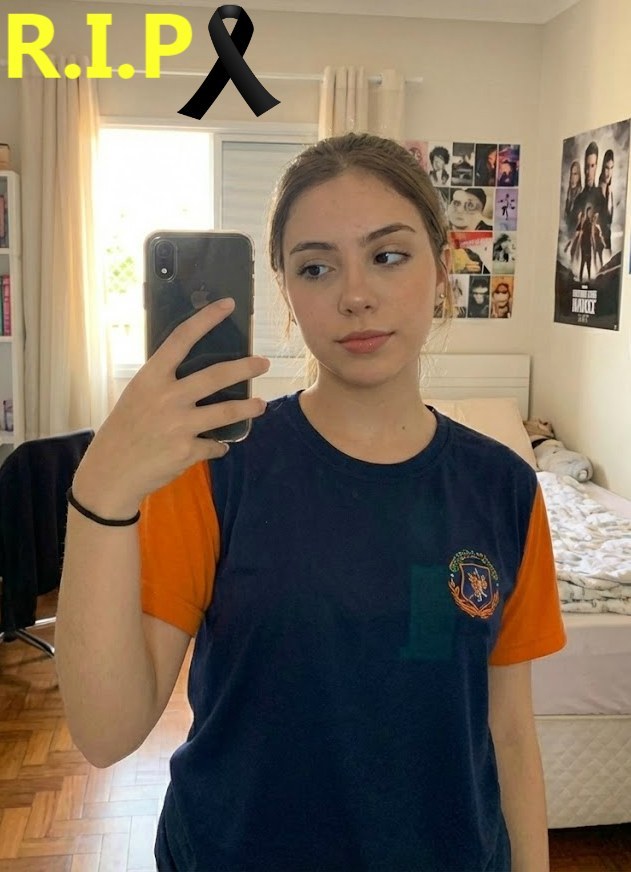
The death of a young woman named Ana has become a painful reminder of how serious consequences can arise when medical symptoms are dismissed or underestimated. At just 20 years old, she should have been focused on her education, future plans, and everyday life. Instead, her final months were marked by worsening health symptoms that were repeatedly treated as “normal,” until it was too late to intervene.
Her story has sparked renewed discussion about women’s health awareness, early diagnosis, and the risks of normalizing severe pain.
Symptoms That Were Mistaken for “Normal Discomfort”
Ana initially experienced symptoms that many young women are often told to tolerate—period-related cramping, fatigue, and general discomfort. Like many others, she assumed these issues were routine and temporary.
However, over time, her condition worsened. The pain became more intense, fatigue deepened, and dizziness began to interfere with daily functioning. Despite these warning signs, the symptoms were still interpreted as non-urgent.
Health experts emphasize that this pattern reflects a broader issue in women’s healthcare, where reproductive and abdominal symptoms are sometimes underestimated or delayed in diagnosis.
A Dangerous Delay in Medical Intervention
As her condition progressed, Ana eventually sought medical care when the symptoms became severe. By that point, however, the underlying issue had already advanced significantly.
Medical professionals later identified that the condition had reached a critical stage, leaving limited options for effective treatment. Despite emergency efforts, she tragically passed away in a hospital setting.
Her case highlights the importance of early detection in medical emergencies, especially when symptoms escalate beyond typical discomfort.
Family Raises Awareness About Missed Warning Signs
In the aftermath, Ana’s family has begun speaking publicly about the warning signs they believe were overlooked. These include:
- Persistent or worsening abdominal pain
- Fainting or severe dizziness
- Extreme fatigue or unusual weakness
- Pain not relieved by standard medication
Experts note that these symptoms can sometimes indicate serious conditions such as internal bleeding, ovarian complications, or other urgent medical issues that require immediate evaluation.
The Broader Issue: Women’s Pain and Medical Bias
Ana’s story has also reignited discussion around a well-documented healthcare issue often referred to as the “pain gap”—the tendency for women’s symptoms to be taken less seriously than those reported by men.
Research in healthcare equity and patient diagnosis accuracy has shown that women are sometimes more likely to experience delayed diagnosis, especially in cases involving reproductive or abdominal pain. This can lead to preventable complications when serious conditions are not identified early.
Medical professionals emphasize that any severe, persistent, or unusual pain should always be evaluated thoroughly, regardless of age or gender.
A Call for Better Women’s Health Education
Advocates are now calling for improved education around women’s reproductive health awareness, including clearer guidance on when symptoms should be considered urgent.
Key recommendations include:
- Understanding when menstrual pain is outside normal range
- Recognizing warning signs like fainting or persistent dizziness
- Encouraging early medical consultation instead of waiting for symptoms to worsen
Health educators stress that better awareness could help prevent similar tragedies in the future.
The Importance of Being Taken Seriously in Healthcare
One of the central lessons from Ana’s case is the importance of listening carefully to patient concerns. Medical experts highlight that early testing, imaging, and evaluation are critical when symptoms escalate unexpectedly.
A more proactive approach to diagnosis in primary care and emergency medicine can significantly reduce the risk of delayed treatment in young patients.
A Legacy That Raises Awareness
While Ana’s life was tragically cut short, her story has become a powerful reminder of the importance of women’s health advocacy and early medical intervention.
Her family hopes that sharing her experience will encourage others to seek medical help sooner and challenge the normalization of severe pain.
Ultimately, her case underscores a critical message: persistent or worsening pain should never be ignored. Early action, proper diagnosis, and believing patients when they describe their symptoms can save lives.