
Why Tobacco Prices in France Keep Climbing: Taxes, Policies, and Public Health
Tobacco prices in France have been on a steady upward climb, reflecting a mix of government tax policy, public health initiatives, and industry pricing strategies. Understanding the breakdown of these costs explains why a simple pack of cigarettes can set you back so much.
How Cigarette Prices Are Calculated
A pack’s retail price in France is a combination of several elements: the manufacturer’s margin, the tobacconist’s cut, and state taxes. Manufacturers propose a price based on production costs, marketing, and profits, which French authorities review carefully. The Directorate General of Customs and Indirect Taxes (DGDDI) ensures that the price includes all mandatory taxes and adheres to legal regulations.
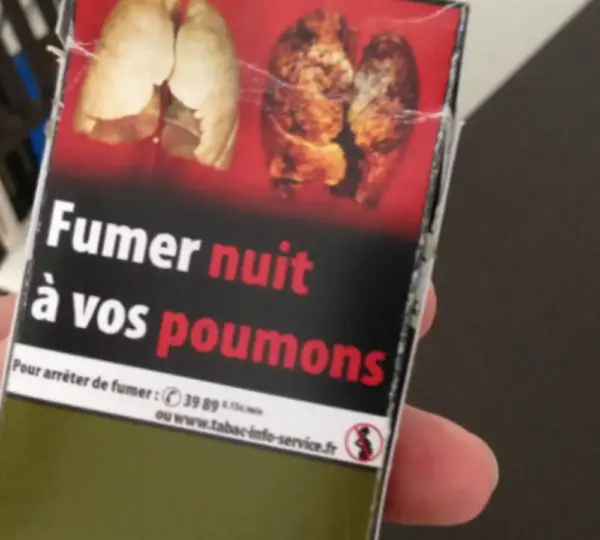
Tobacconists earn 8–10% of the pack price, covering distribution and sales efforts, while manufacturers generally take around 15% to cover operations, production, and research. The lion’s share—75–80% of the retail price—comes from state taxes, including excise duties and VAT, currently set at 16.66%.
Excise duties are calculated per quantity produced or imported, with formulas ensuring a minimum contribution, while VAT is included in the retail price but doesn’t apply to the tobacconist’s discount, which averages 10.19% on the mainland and slightly higher in Corsica.
Price Increases and Brand Differences
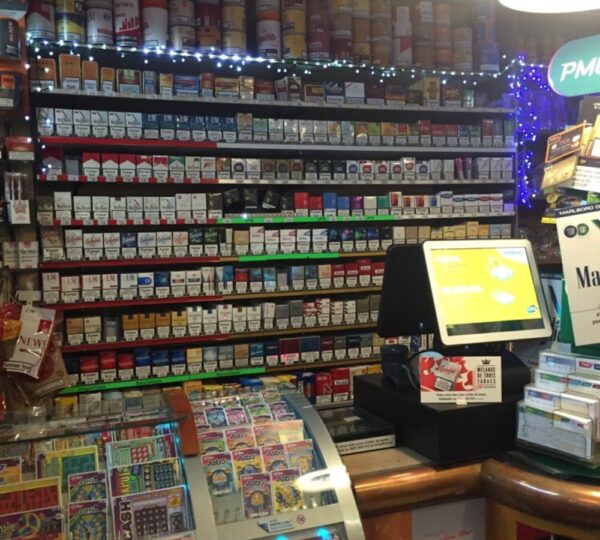
Since January 2026, the average price for a standard 20-cigarette pack ranges between €12.50 and €13, with some brands slightly higher. For example:
Continue reading on the next page…