Janis Joplin: From Outcast Teen to Rock Legend
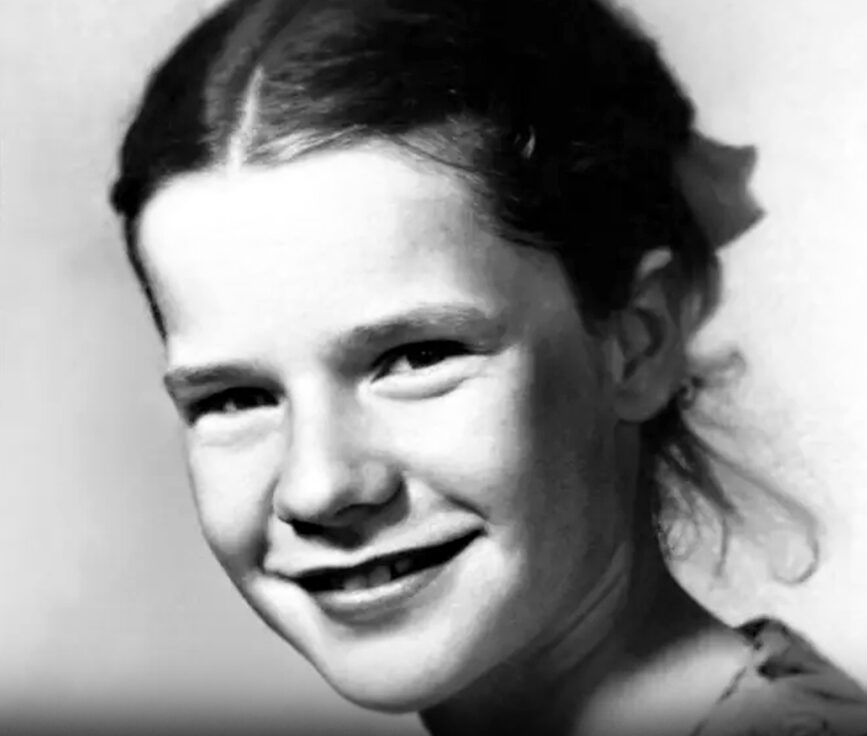
People used to call her ugly. For anyone who really saw her, that was never true. Slim and trim, thick hair, striking eyes with a hint of native beauty, she didn’t need makeup, and her voice could make angels stop and listen. This was Janis Joplin, a woman whose talent would outshine every judgment about looks.
A Unique Beginning
Born January 19, 1943, in Port Arthur, Texas, Janis grew up in a devout, hardworking family. Her mother, Dorothy, worked at a local college; her father, Seth, was a Texaco engineer. From early on, it was clear Janis was different. She had an unmistakable spark, a mind drawn to the unconventional, and a relentless curiosity about the world.
Wikipedia Commons
Growing up in a deeply segregated town, she gravitated toward literature, jazz, and folk blues, standing out as Port Arthur’s first female beatnik. With her frizzed hair, bare feet, and signature cackle, Janis didn’t fit in—but she embraced her individuality.
Teenage Struggles
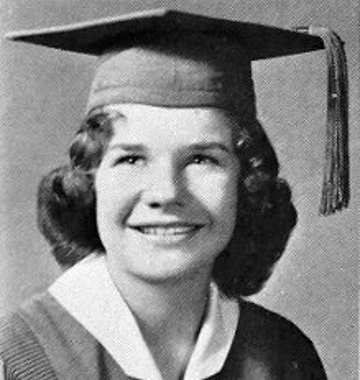
High school wasn’t easy. Janis faced bullying, social isolation, weight struggles, and severe acne that left scarring. Friends remember the transformation from cute to “ugly” in her teenage years, a painful period that would shadow her into adulthood.
Even at the University of Texas, Janis defied convention—barefoot in class, wearing Levi’s, carrying her autoharp wherever she went. A campus contest for “ugliest man” (she was nominated as a joke) humiliated her but didn’t break her spirit.
Chasing the Dream
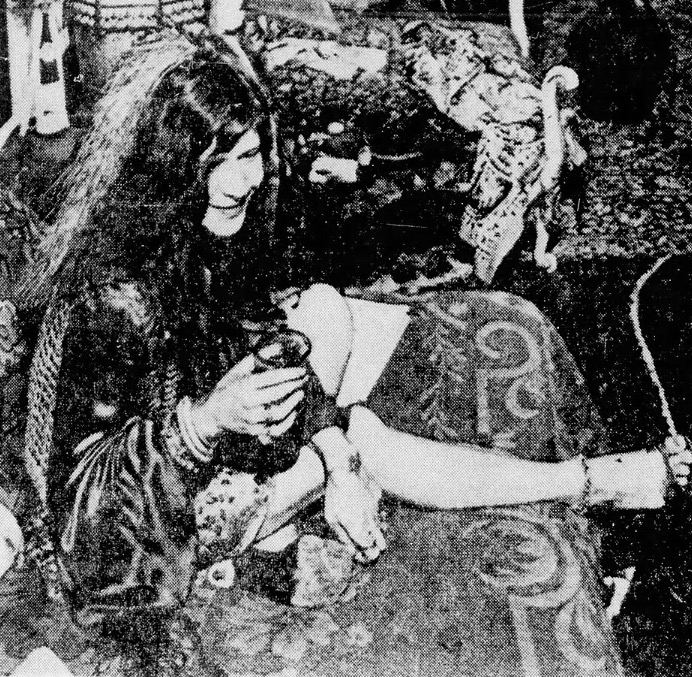
Her escape was music. In 1963, Janis dropped out of college and hitchhiked to San Francisco, living hand-to-mouth and performing in coffeehouses. While record scouts initially overlooked her for her unconventional looks, her voice commanded attention.
Wikipedia Commons
San Francisco’s drug scene proved dangerous; heroin and speed became a refuge from pressure and fame. By 1965, after two grueling years, she returned to Texas to recover—rebuilding her health, appearance, and focus. But destiny called back: Big Brother and the Holding Company needed her voice.
Icon of the Counterculture
By 1966, Janis was at the forefront of San Francisco’s music revolution. Her performance at the Monterey Pop Festival catapulted her into the spotlight. Once overlooked for her appearance, she became a counterculture sex symbol, celebrated for her raw energy, fierce independence, and, above all, her voice.
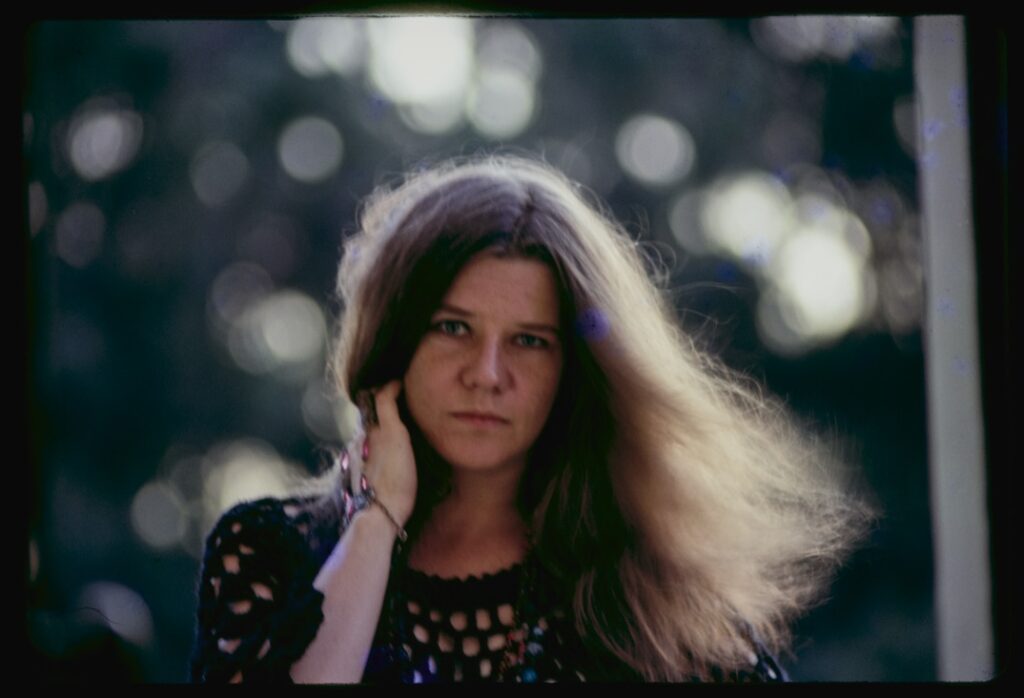
American singer-songwriter Janis Joplin posing for a portrait in San Francisco, United States circa 1967-1968. (Photo by Ray Andersen/Fantality Corporation/Getty Images)
She went on to dominate the rock scene with Big Brother, then her own bands—the Kozmic Blues Band and Full Tilt Boogie Band—producing legendary hits like:
- “Piece of My Heart”
- “Cry Baby”
- “Down on Me”
- “Ball and Chain”
- “Summertime”
- “Mercedes Benz” (her haunting final recording)
Her posthumous number-one hit, “Me and Bobby McGee,” cemented her place in music history.
Continue reading on the next page…