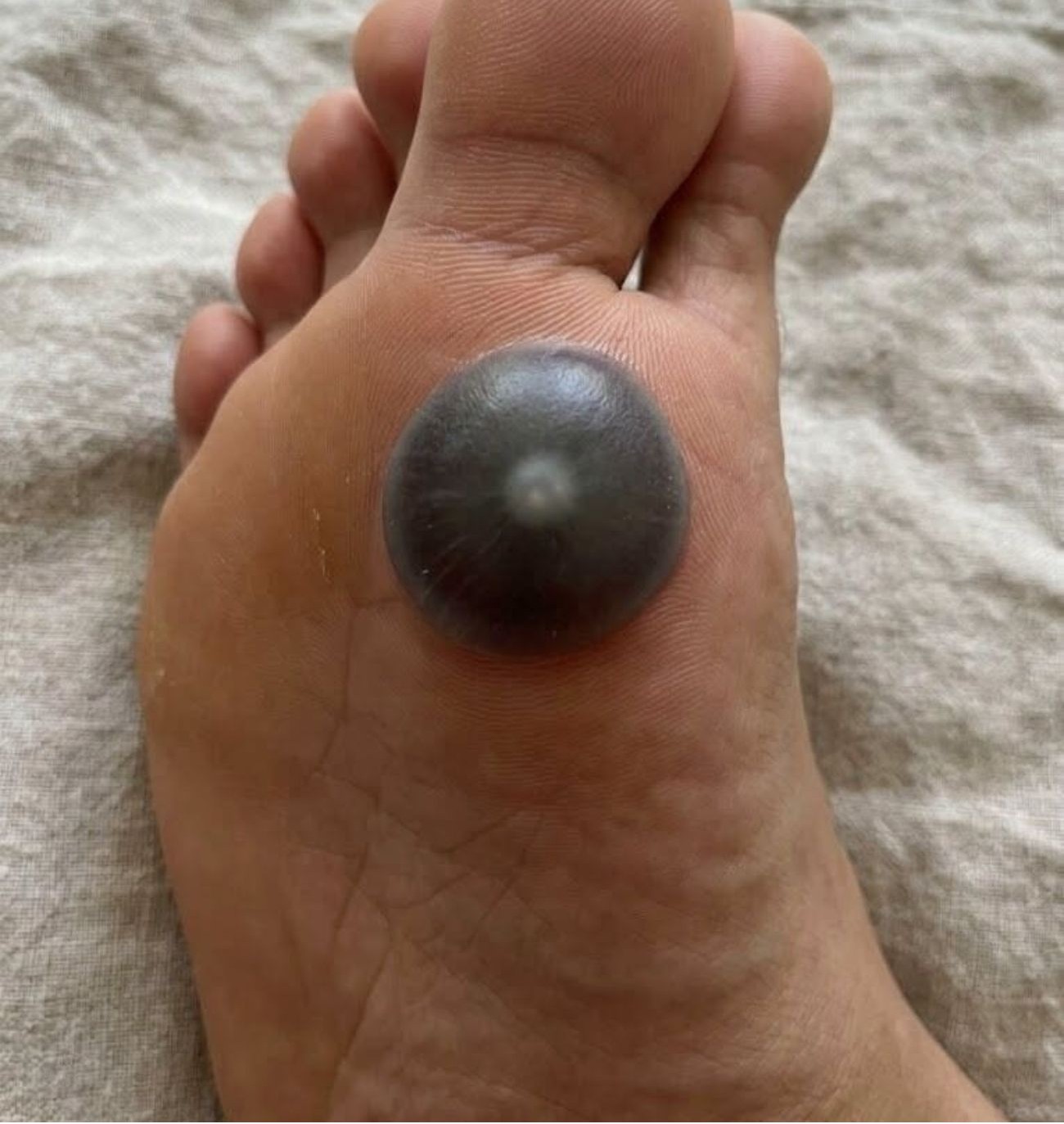
Signs Parents Should Watch For
Blisters are usually easy to spot, but certain symptoms may indicate a need for closer attention:
Pain or tenderness in the affected area
Visible swelling or redness
A dark-colored blister (especially in blood blisters)
Difficulty walking or refusal to put weight on the foot
When Medical Attention Is Needed
Most blisters heal on their own, but there are situations where professional care is important. You should consider contacting a healthcare provider if:
The blister is large, very painful, or unusually dark
Redness begins spreading around the area
The child develops a fever
The blister continues growing or changing color
Walking becomes difficult or impossible
Safe Care and Treatment at Home
Proper care can help prevent complications and speed up healing:
Gently clean the area with soap and water
Avoid popping the blister, as this increases infection risk
Cover it with a clean bandage to protect against further irritation
Apply a cold compress if there is swelling or discomfort
The Role of Medical Care
If the blister doesn’t improve or symptoms worsen, a doctor may step in to help. Treatment could include safely draining the blister, prescribing medication if an infection is present, or recommending ways to manage pain.
Final Thoughts
Foot blisters in children are usually minor, but they should never be ignored. Paying attention to symptoms and acting early can help prevent complications and keep your child comfortable and active.
If you found this guide helpful, share it with other parents and let us know your experience or tips in the comments.