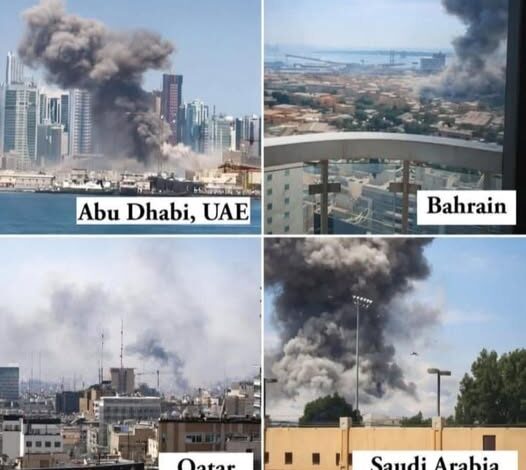
The strikes come after months of mounting U.S.–Iran tensions and a major joint U.S.–Israeli operation targeting Iranian military infrastructure. Tehran’s unprecedented, simultaneous attacks send a clear message: U.S. forces and allied bases are no longer shielded by neutrality, and the presence of American personnel now carries direct risk.
Global reaction has been swift. A coalition of thirteen nations is reportedly coordinating a unified response, while oil markets have spiked amid fears of Gulf shipping disruptions. Meanwhile, thousands of U.S. service members at Al Dhafra and Al Udeid operate under the highest alert, assessing damage and preparing for potential follow-up strikes as Iranian missiles—some equipped with maneuverable reentry vehicles—test missile defense systems.
Across the region, once-bustling streets are eerily empty. Smoke over Bahrain and explosions in Abu Dhabi have brought the reality of war to neighborhoods and shopping districts. Civilians are living in fear of a stray missile or miscalculation that could cause catastrophic casualties.
As of this afternoon, the situation remains fluid. Iranian media frames the strikes as a “defense against Western aggression,” while the U.S. Department of Defense coordinates with allies to stabilize the region. Global attention is riveted on the Persian Gulf, awaiting the next move: a potential retaliatory strike or a critical window for de-escalation.
Stay informed: Follow trusted news channels for real-time updates and share your thoughts on how the world should respond in the comments below.