
Researchers believe this sensory signal can travel through neural pathways to the spinal cord, potentially interrupting the electrical activity responsible for the muscle cramp.
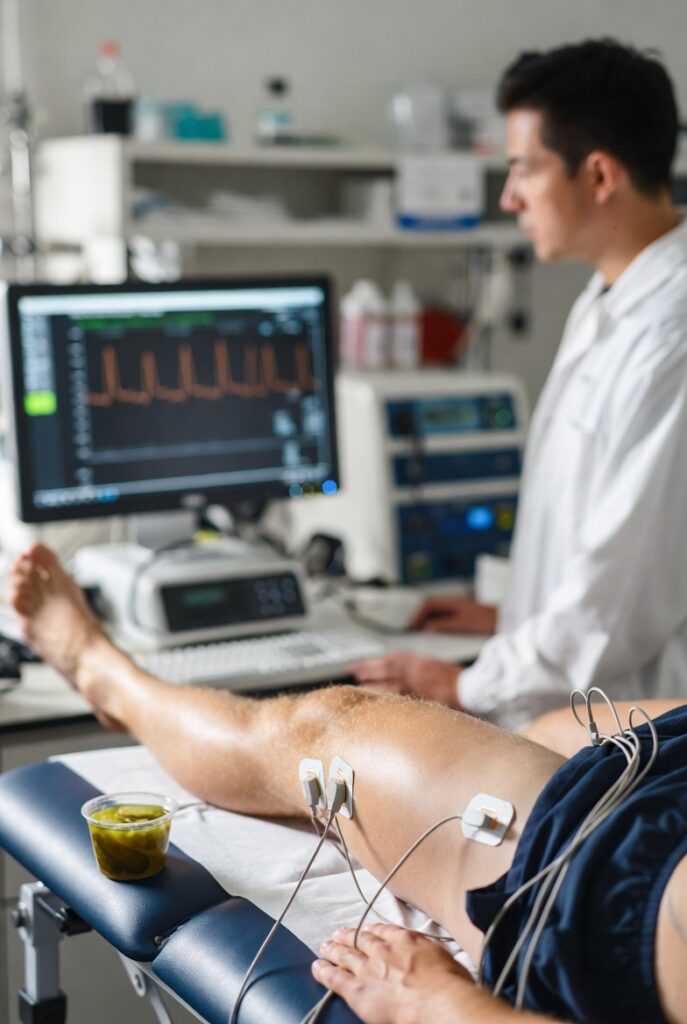
for illustrative purposes only
Rather than correcting a chemical deficiency, the liquid may act like a quick reset signal—helping stop the involuntary contraction almost immediately.
Because the mechanism appears to be neurological, only a small amount—often a few ounces—is typically needed.
This understanding has reshaped how sports scientists think about cramps, highlighting the connection between sensory receptors and muscle control.
When Pickle Juice Can Be Helpful
For athletes, pickle juice may serve as a fast-acting option during:
- High-intensity workouts
- Endurance events
- Heat-related training sessions
- Sudden muscle cramps during competition
It is generally considered a short-term response tool rather than a daily supplement.
Important Safety Considerations
While pickle juice can be useful in certain situations, it is not appropriate for everyone.
Because it contains high levels of sodium, frequent or excessive use may not be suitable for individuals managing conditions such as high blood pressure.
Its acidity can also irritate digestive conditions like acid reflux or Gastroesophageal Reflux Disease (GERD).
Additionally, the acidic nature of vinegar may contribute to tooth enamel wear if oral hygiene is not maintained afterward.
As with any dietary strategy, moderation and personal health considerations are important.
Relief vs. Prevention
It’s important to distinguish between stopping a cramp and preventing one.
Pickle juice is often described as an acute intervention—it may help end a cramp that is already occurring. However, it does not address the underlying causes of muscle spasms.
Long-term cramp prevention typically involves:
- Staying consistently hydrated
- Maintaining balanced mineral intake (including magnesium, calcium, and potassium)
- Proper warm-up and cool-down routines
- Regular stretching to support muscle flexibility
- Gradual training progression
These habits support overall muscle health and reduce the likelihood of cramping episodes.
Listening to the Body
Muscle cramps often provide warning signs before they fully develop—such as mild tightness, fatigue, or discomfort.
Paying attention to these signals can help individuals adjust intensity, rest appropriately, and support recovery before problems escalate.
Building resilience through consistent training, balanced nutrition, and smart recovery practices remains the foundation of performance.
From Folklore to Science
The story of pickle juice is a reminder that sometimes traditional practices contain elements worth exploring. What was once dismissed as superstition has led to deeper insights into how the nervous system communicates with muscles.
It also highlights the value of combining experience with research to better understand human performance.
The Bottom Line
Pickle juice may offer fast relief for certain muscle cramps thanks to a rapid neurological response. However, it should be viewed as an occasional emergency tool—not a replacement for proper hydration, nutrition, and training preparation.
A well-balanced fitness routine remains the most reliable way to support muscle function and overall health.
💬 Have you ever tried pickle juice for muscle cramps, or do you rely on other recovery methods?
Share your experience in the comments and join the conversation about smarter ways to support performance and recovery.