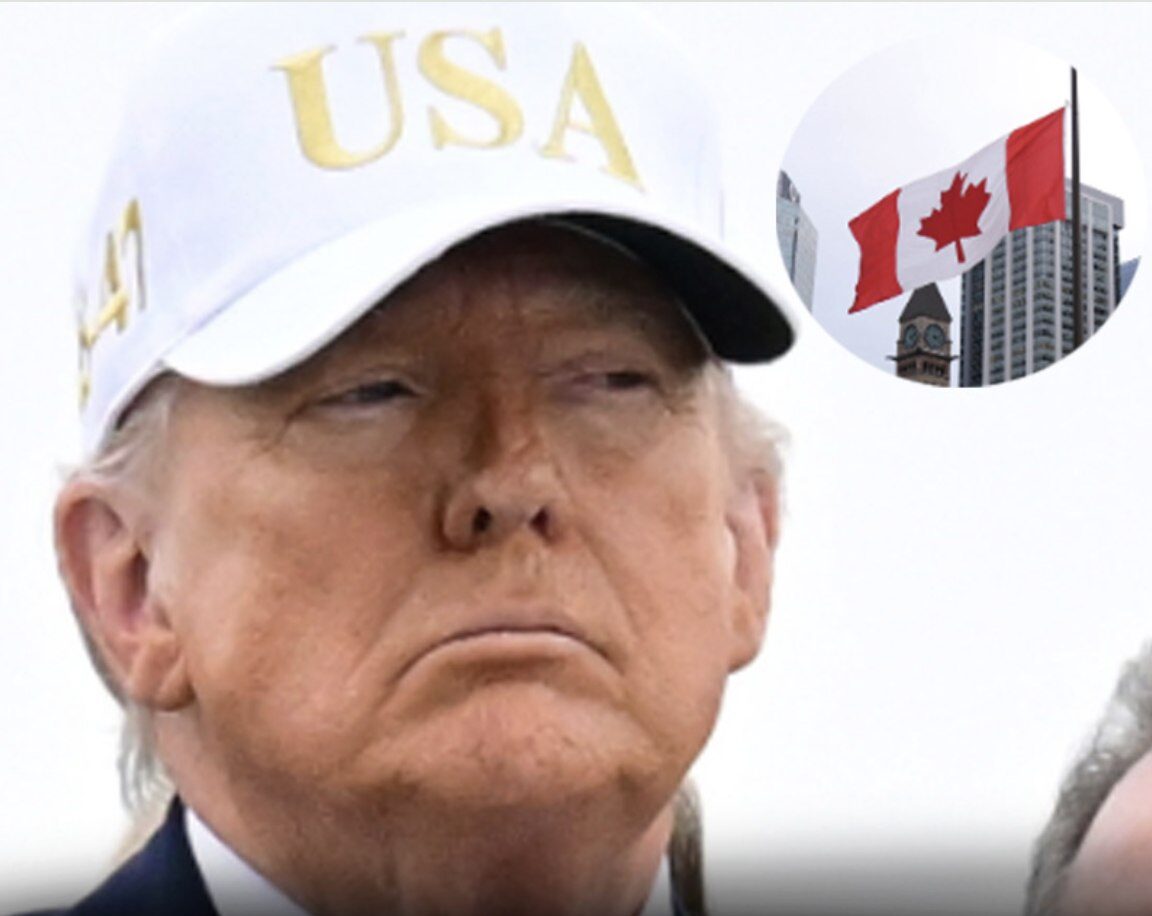
Canada Strikes Back: A Smart Move Against Trump’s Tariffs
Trump’s Tariff Play
When Donald Trump rolled out tariffs on imports into the United States, the goal was clear: make foreign goods more expensive and protect American industries. Critics quickly noted the costs often hit U.S. consumers rather than foreign exporters. Despite this, Trump gained support by promising $2,000 payouts to Americans—payments that have yet to materialize. Tariffs have since become a recurring tool in Trump’s economic strategy, appearing in disputes involving Iran, Greenland, and beyond.
Canada’s Calculated Response
Instead of a direct retaliation, Canada is taking a strategic approach. The government is preparing to open its market to Chinese electric vehicle manufacturers, allowing companies like BYD to sell more affordable EVs across Canada. These cars could hit dealerships as soon as later this year.
Lowering Barriers for EVs
Canada plans to ease restrictions dramatically. Currently, tariffs on Chinese-made vehicles sit at 100 percent. The new proposal caps imports at 49,000 cars and drops the tariff to just 6.1 percent. This shift not only changes access to the Canadian market but could also impact the U.S., since both countries share similar safety and emissions standards. Affordable Chinese EVs could cross the border and compete in the American market.
U.S. Auto Industry on Alert
Ford CEO Jim Farley has already warned that this move could pose an “existential threat” to U.S. automakers. With the U.S. largely closed to Chinese EVs, a surge of lower-cost imports from Canada could disrupt domestic manufacturers. Trump’s next moves are uncertain, but reports suggest he could push for renegotiating the US-Mexico-Canada Agreement, withdraw entirely, or pursue separate agreements with each country.
Continue reading on the next page…