3. Starfruit: Bright But Risky
Starfruit is safe for most people, but for those with kidney disease, its neurotoxins can accumulate, causing hiccups, confusion, seizures, or even death.
4. Cherry Pits and Apple Seeds
Seeds contain amygdalin, which can release cyanide if crushed or chewed in large amounts. Accidentally swallowing a single seed is usually harmless, but avoid chewing them.
5. Green Potatoes
Potatoes exposed to light produce solanine, a natural toxin. Eating heavily green or sprouted potatoes can cause nausea, headaches, and neurological symptoms. Peel lightly green areas and discard the rest.
6. Raw Cashews
Cashews naturally contain urushiol, the same chemical found in poison ivy. Heat treatment removes the toxin before sale. Truly raw cashews are unsafe.
7. Nutmeg
In small culinary amounts, nutmeg is safe. Large doses contain myristicin, which can cause hallucinations, nausea, rapid heartbeat, and seizures.
8. Death Cap Mushrooms
The deadly Amanita phalloides causes liver failure. Initial mild symptoms are often followed by severe organ damage. Only experts should forage wild mushrooms. Store-bought varieties are safe.
9. Rhubarb Leaves
Rhubarb stalks are safe, but leaves contain oxalic acid, which can cause kidney damage and digestive issues. Always discard the leaves.
10. Raw Kidney Beans
Kidney beans contain phytohaemagglutinin, a toxin neutralized only by boiling vigorously for at least 10 minutes. Slow cooking without boiling can increase toxicity.
Why People Eat Risky Foods
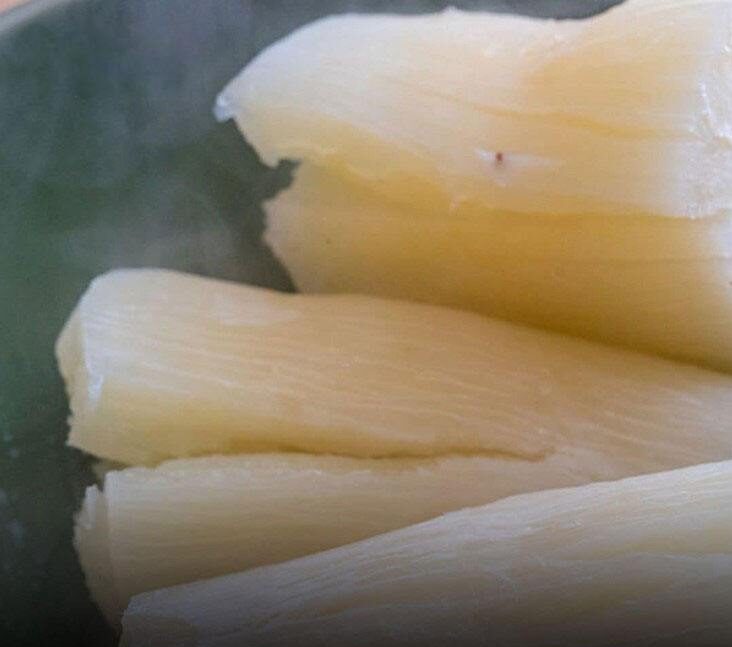
- Necessity: Cassava sustains millions where alternatives are limited.
- Tradition: Fugu is a cultural delicacy in Japan.
- Misinformation: Many don’t know raw beans are toxic.
- Calculated Risk: Some enjoy adventurous flavors.
Most dangers arise from improper preparation, not the foods themselves. Education and safe cooking techniques drastically reduce risks.
Nature’s Built-In Defenses
Many plants evolved toxins to deter pests. Humans learned to neutralize these chemicals through cooking, fermentation, soaking, drying, and selective breeding.
Safety Tips
- Follow cooking instructions.
- Avoid wild foraging without expertise.
- Store foods properly.
- Use spices and ingredients in moderation.
The Takeaway
Cassava, the world’s deadliest food, kills about 200 people annually but sustains over 800 million safely when prepared correctly. Knowledge is key—how you cook, prepare, and handle food determines whether it nourishes or harms.
Share Your Thoughts
Which of these foods surprised you the most? Share this article and join the conversation about the hidden risks—and incredible resilience—of what we eat.