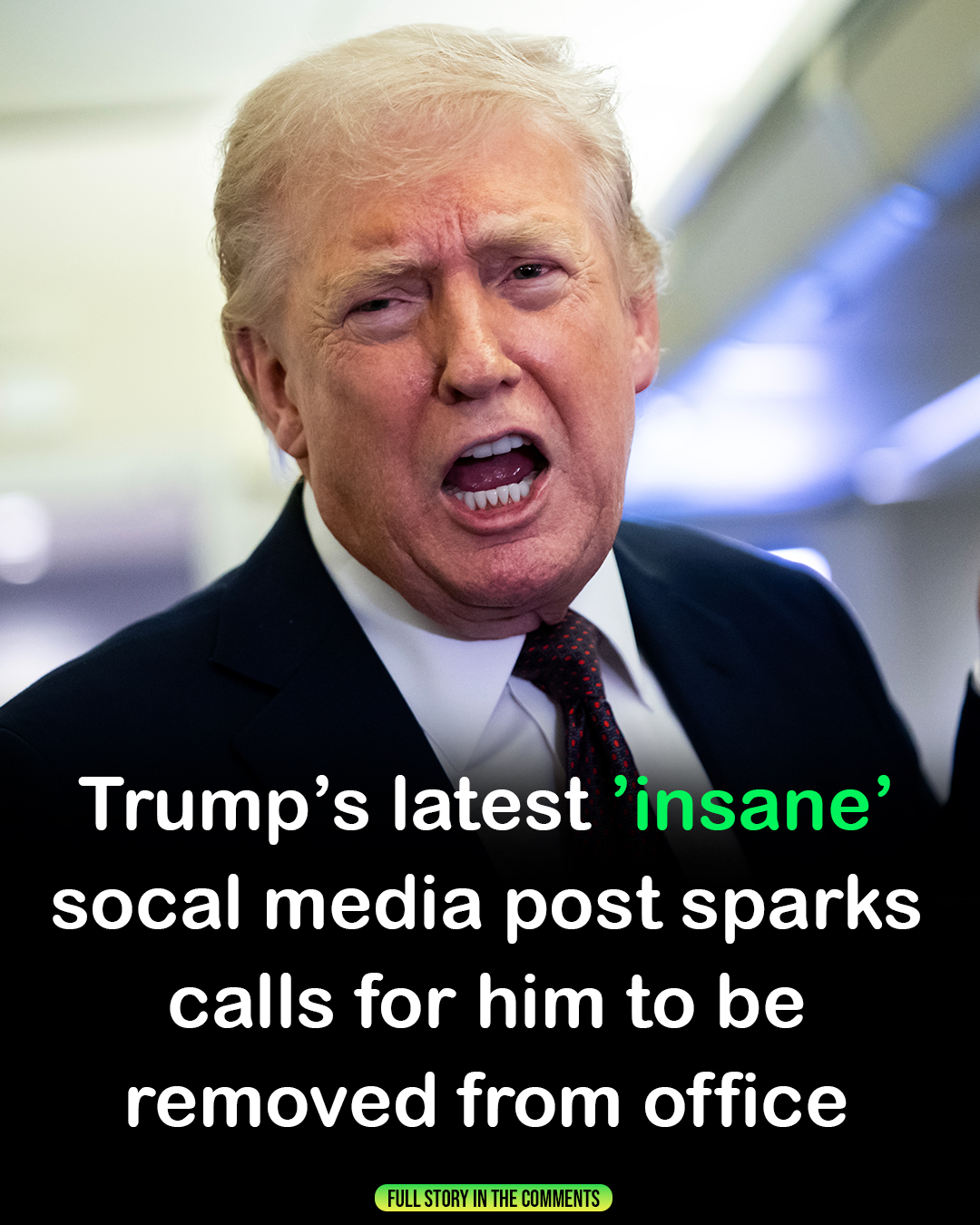
Public reaction is growing after a controversial statement from Donald Trump sparked debate online, as geopolitical tensions continue to escalate in the Middle East.
The region remains unstable following coordinated military actions involving the United States and Israel, with the conflict spreading across several neighboring countries. Nations including United Arab Emirates, Saudi Arabia, Kuwait, Qatar, and Lebanon have all reported impacts as the situation intensifies.
Recent developments show that Iran has continued targeting key energy infrastructure across the Persian Gulf, raising concerns about global energy security and oil market stability. Reports indicate that attacks on major facilities have contributed to rising oil prices and increased volatility in international markets. ([Vox][1])
The Post That Sparked Concern
Amid these developments, Trump has been actively sharing updates on his platform, Truth Social, drawing attention from both supporters and critics.
One particular post gained widespread attention after reports emerged of a strike on Iran’s South Pars gas field—one of the largest natural gas reserves globally and a critical component of the country’s energy production. ([Vox][1])
In his message, Trump suggested that Israel acted independently in the attack, while also issuing a strong warning about potential escalation if Iran were to target Qatar.
He stated that further action could involve significant military force directed at the energy facility if the conflict expanded, emphasizing the strategic importance of the region’s gas infrastructure. ([Reuters][2])
Online Reaction and Political Debate
The statement quickly triggered widespread discussion across social media and political circles. Many users expressed concern about the tone and potential implications of such remarks during an already volatile situation.
Some critics argued that the comments could contribute to rising tensions, while others questioned the broader handling of the crisis. Calls for accountability and leadership review also surfaced in online discussions, reflecting how deeply divided public opinion has become.
At the same time, supporters of Trump defended his position, suggesting that strong messaging may act as a deterrent in high-risk geopolitical situations.
Impact on the Conflict
Despite the backlash, reports suggest the message may have had some influence on events. Israeli leadership later indicated a pause on further strikes targeting energy infrastructure in Iran following diplomatic pressure.
Instead, military activity appears to have shifted focus toward other strategic locations, including reported infrastructure targets in Tehran, while Iran has continued retaliatory actions.
The ongoing exchanges highlight how quickly the situation is evolving, with each development affecting global markets, international relations, and regional stability.
A Wider Perspective on Global Risk
As the conflict continues, experts point to increasing risks for global energy supplies, supply chains, and economic stability. The targeting of oil and gas infrastructure has already contributed to price fluctuations and heightened uncertainty worldwide. ([Vox][1])
Trump’s comments add another layer to an already complex situation, illustrating how political messaging can influence both public perception and international dynamics.
The Bottom Line
With tensions still rising, the global focus remains on how leaders communicate and respond during times of crisis.
The situation serves as a reminder of the delicate balance between diplomacy, security, and economic stability in an interconnected world.
What do you think—do strong statements help prevent escalation, or do they risk making situations more volatile?