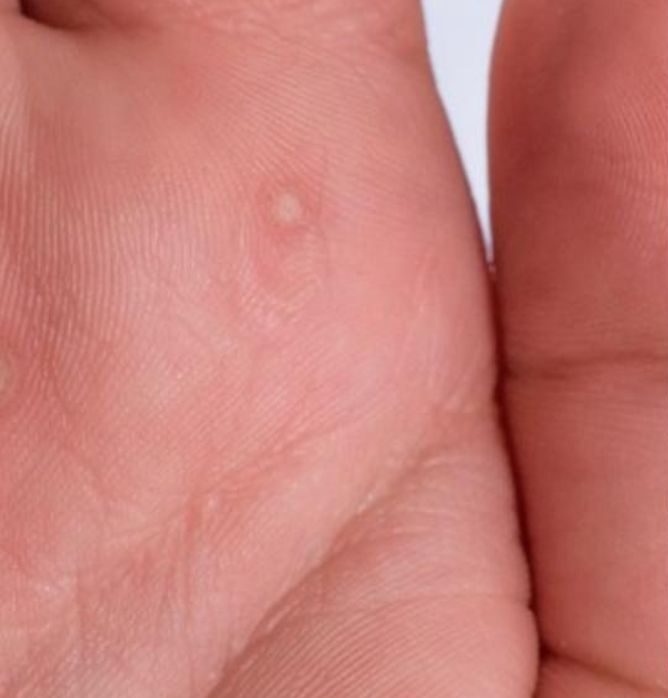
Three Warning Signs That a Wart May Be Dangerous
While many warts are harmless, certain symptoms may indicate a more serious issue and should not be ignored.
1. Rapid Growth or Spreading
Warts that grow quickly or begin appearing in multiple areas may suggest an aggressive infection or an abnormal skin condition.
In such cases, doctors may recommend treatments such as:
- Cryotherapy (freezing the wart)
- Prescription topical medications
- Minor surgical removal for persistent growths
Early evaluation helps prevent further spread and complications.
2. Changes in Color or Shape
A wart that changes color—such as turning very dark, red, or black—or becomes irregular in shape may need medical attention.
Other warning changes include:
- Uneven or jagged borders
- Sudden thickening
- Unusual surface changes
- Easy bleeding
Doctors may perform a skin examination or biopsy to rule out more serious conditions.
3. Pain, Bleeding, or Infection
Warts are usually painless, so discomfort is a warning sign. Pain, bleeding, swelling, or discharge may indicate infection or deeper skin involvement.
In these cases, treatment may include:
- Antibiotic medication if infection is present
- Professional removal procedures
- Medical wound care to prevent complications
Avoid trying to cut or treat bleeding warts at home, as this can worsen the condition.
How to Treat Warts Safely
Treatment depends on the type and severity of the wart. Common medical options include:
- Salicylic acid treatments to gradually remove the wart
- Cryotherapy to destroy infected tissue
- Laser therapy for stubborn cases
- Minor surgical procedures when necessary
Many warts respond well to treatment when addressed early.
Simple Ways to Prevent Warts
While not all warts can be prevented, these habits can reduce the risk:
- Wash hands and skin regularly
- Avoid sharing towels, shoes, or personal items
- Wear footwear in public showers or pools
- Keep cuts and scratches covered
- Support immune health with good nutrition and rest
- Consider HPV vaccination when appropriate
When You Should See a Doctor
You should seek medical advice if:
- A wart grows quickly or spreads
- The color, shape, or texture changes
- Pain, bleeding, or infection appears
- Home treatments do not work after several weeks
A dermatologist can provide an accurate diagnosis and safe treatment plan.
Final Thoughts
Most warts are harmless, but your skin often gives early warning signs when something isn’t right. Paying attention to rapid growth, unusual changes, or pain can help you catch problems early and avoid complications.
Good hygiene and early treatment go a long way in keeping your skin healthy and clear.
If you found this helpful, share it with others or leave a comment to join the conversation about skin health awareness.