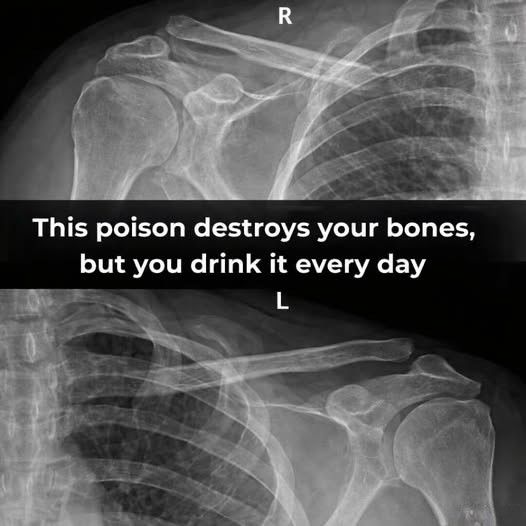
One of the biggest suspects is highly processed sugary soft drinks, particularly cola-based sodas. These beverages often contain phosphoric acid, caffeine, and high amounts of sugar. While enjoying one occasionally is unlikely to cause harm, regular and excessive consumption may contribute to long-term issues.
Here’s why experts are paying attention:
Phosphoric acid imbalance: High phosphorus intake without adequate calcium may disrupt the body’s mineral balance. Calcium is essential for strong bones, and when intake is low, the body may draw calcium from bones to maintain normal blood levels.
Calcium displacement: People who drink soda frequently may consume less milk or other calcium-rich beverages. Over time, this substitution can reduce total calcium intake.
Caffeine effects: Excess caffeine may slightly reduce calcium absorption, especially if overall nutrition is poor.
Sugar overload: Diets high in added sugars are linked to inflammation and poor overall nutrient intake, which can indirectly affect bone health.
Bone weakening does not happen overnight. It develops gradually, often without symptoms, until a fracture or injury reveals the damage. That’s why prevention is so important.
This doesn’t mean you must completely eliminate your favorite drink. The key factor is moderation and balance. Supporting your bones is simple but powerful:
Make sure you get enough calcium (dairy, leafy greens, fortified foods)
Maintain healthy vitamin D levels
Engage in weight-bearing exercise like walking or strength training
Limit excessive soda and sugary beverage consumption
Stay hydrated with water as your primary drink
Your daily choices matter more than you think. Something that feels harmless today can influence your health years down the line.
Take a look at your habits. How often do you reach for that fizzy drink? Sometimes the smallest routines have the biggest long-term impact.
Your bones are quietly supporting you every single day — it might be time to return the favor.