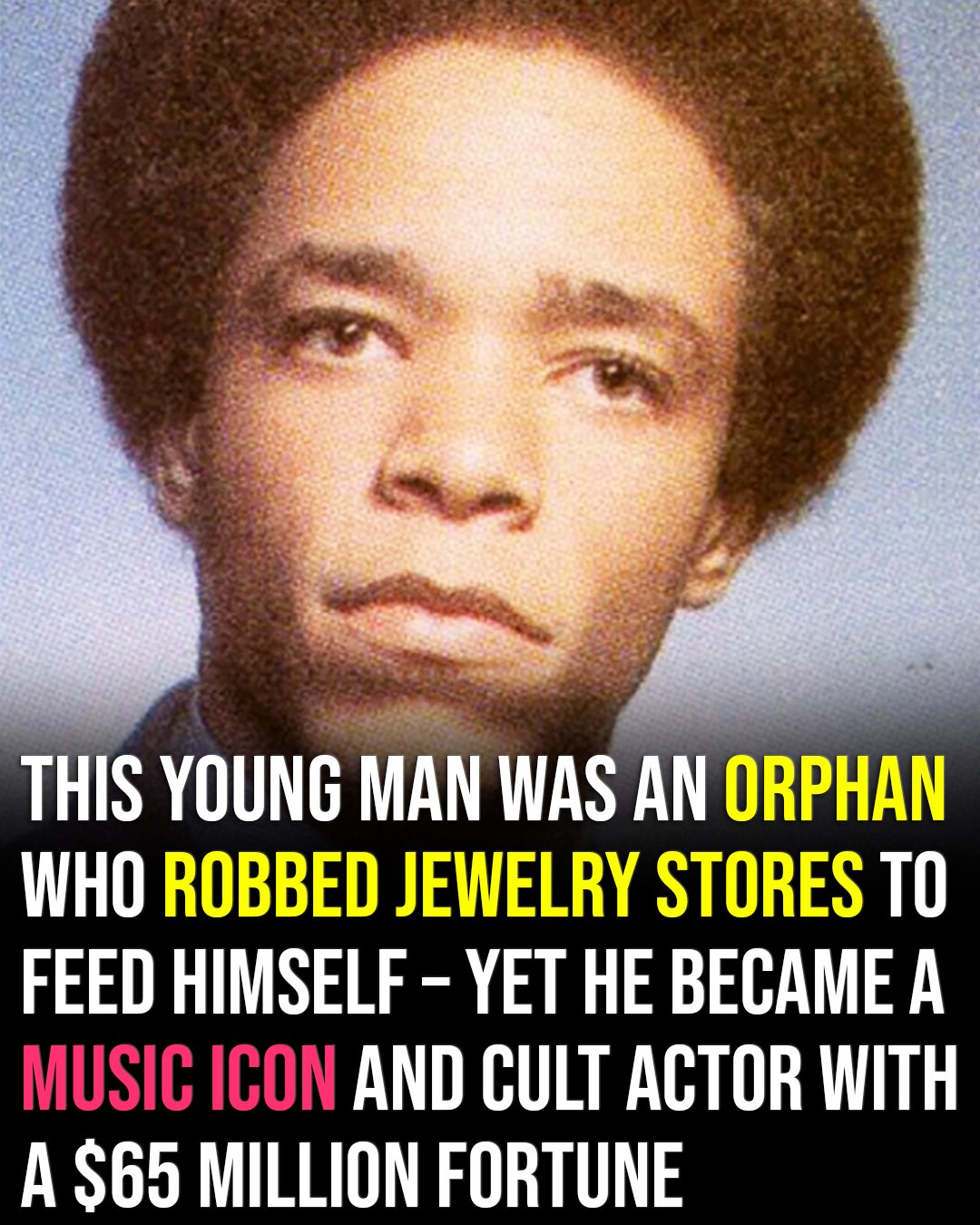
The tough, urban landscape of Newark in the late 1950s and early 1960s wasn’t known for producing global entertainment icons. Yet it’s exactly where Tracy Lauren Marrow—later recognized worldwide as Ice-T—began a journey that would redefine both Hollywood and hip-hop culture. His life story stands as a powerful example of resilience, personal growth, and long-term success despite difficult beginnings.
At a young age, Tracy faced life-altering challenges. He lost his mother to a heart attack while still in elementary school, and just a few years later, his father passed away from the same condition. By age twelve, he was left without parents. This early loss forced him to adapt quickly and mature beyond his years. He eventually moved to Los Angeles, where he was raised by extended family in neighborhoods shaped by economic hardship and rapid cultural change.
Growing up in South Los Angeles, particularly around areas like South Central Los Angeles, he experienced firsthand the challenges of limited resources and community struggles. As a student at Crenshaw High School, he navigated an environment where many young people faced difficult choices. While he was exposed to street life and minor illegal activities, he maintained a strict personal discipline—avoiding drugs and alcohol, which helped him stay focused and aware of his long-term goals.
Looking for structure and stability, he joined the United States Army. During his service, he discovered a strong interest in music and began developing technical skills that would later define his career. After completing his time in the military, however, he faced the reality of limited opportunities and briefly returned to street hustling as a way to survive.
The turning point came when he realized that his life experiences could become a powerful creative asset. Adopting the name Ice-T—partly inspired by Iceberg Slim—he began writing and performing music that reflected real-life situations. His storytelling approach helped shape what would later be known as gangsta rap, a genre that brought raw, unfiltered narratives into mainstream music and influenced generations of artists.
As his music gained popularity, his presence extended beyond the recording studio. Ice-T transitioned into acting, bringing authenticity and depth to his roles. His real-world experiences gave him a unique edge on screen, eventually leading to a long-running role on Law & Order: Special Victims Unit, where he became a familiar face to millions of viewers worldwide. This move helped him successfully bridge the gap between music, television, and mainstream entertainment.
Equally significant is the personal stability he built over time. After experiencing loss early in life, he prioritized creating a strong family foundation. His journey from instability to building a lasting home reflects intentional growth and disciplined decision-making.
Today, Ice-T’s legacy continues to influence both the entertainment industry and modern hip-hop culture. His story highlights how determination, creativity, and strategic choices can transform adversity into long-term success. From the streets of Newark to global recognition, he remains a compelling example of how challenging beginnings don’t have to define the future.