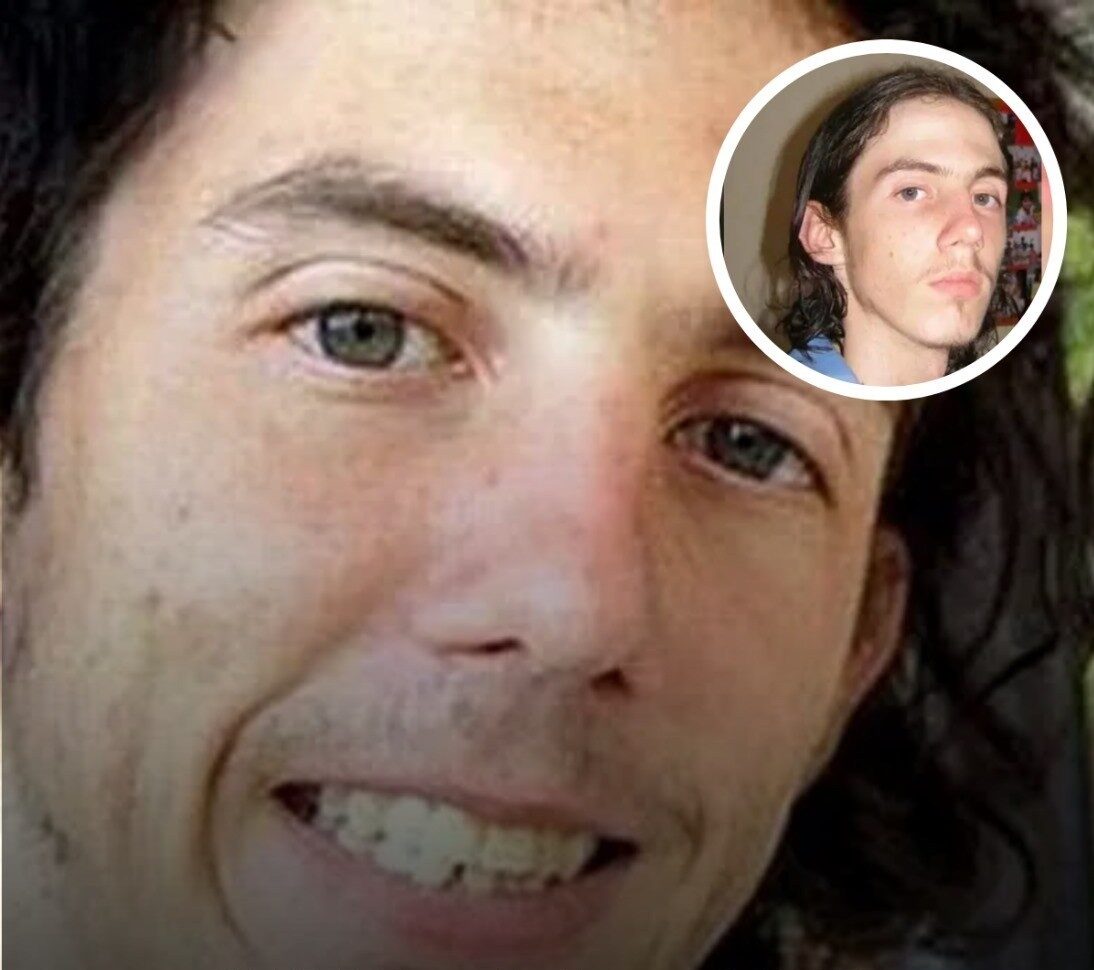
The Arrest and Trial
Huckle’s arrest involved coordination across multiple law enforcement agencies. Suspicious activity on dark web platforms led investigators to trace him back to the UK, where the National Crime Agency took him into custody. The evidence compiled was overwhelming—digital records, testimonies, and documentation all confirmed the vast scope of his crimes.
He was sentenced to 22 consecutive life terms with a minimum of 25 years before parole eligibility, reflecting one of the harshest penalties under British law. HMP Full Sutton, a high-security prison for the country’s most dangerous offenders, became his final place of incarceration.
Violence Behind Bars
Even in a high-security facility, Huckle’s crimes made him a target. In prison, offenses involving children often provoke extreme reactions. Eventually, he was fatally attacked by a fellow inmate using a makeshift weapon. The assailant had a history of violent offenses, underscoring the challenges of managing high-risk prisoners.
Lessons on Justice and Prevention
Huckle’s death prevented any possibility of reoffending, but it also highlighted the harsh realities of prison retaliation. For authorities, the focus remains on the victims and on preventing similar tragedies. The case exposed vulnerabilities in international volunteer work, online monitoring, and the exploitation of trust in communities with limited oversight.
Stronger Safeguards Moving Forward
In response, authorities are pushing for enhanced background checks for those working with children abroad, better international cooperation, and stricter monitoring of online platforms used to share illegal material. While no system can eliminate risk completely, these measures aim to prevent similar crimes in the future.
A Lasting Impact
The effects of Huckle’s actions are profound and ongoing. For survivors and their families, the trauma is deeply personal. For investigators and policymakers, the case serves as a stark reminder of how calculated offenders can exploit gaps in oversight—and the responsibility to protect the most vulnerable.
The story is not just about one individual, but about learning from systemic failures to ensure children are never put at such risk again.
Have thoughts or experiences to share about online safety or protecting vulnerable communities? Join the conversation below.