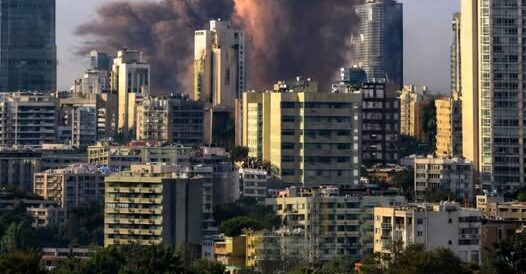
Humanitarian Impact
The civilian toll has been severe. By mid-March, over 3,100 people had died, including 1,350 confirmed civilians. Strikes damaged schools and hospitals, leaving thousands injured. Israel denied targeting civilians, while Iran reported widespread harm to ordinary citizens.
Iranian Retaliation
Iran launched ballistic missile strikes targeting Israeli territory. Most were intercepted, but some caused civilian casualties, including nine deaths in Beit Shemesh and over 100 injuries in Dimona and Arad.
Diplomatic Reactions
The campaign has drawn mixed responses. The U.S. provided intelligence and support, the U.K. allowed use of its bases, while the UN condemned the attacks. Some nations called for restraint and ceasefires, highlighting legal and humanitarian concerns. Israel framed the operation as necessary to neutralize an existential threat.
Escalation in Lebanon
Alongside Iran, Israel targeted Hezbollah in southern Lebanon. Nearly one million people were displaced, and over 1,000 fatalities were reported, including more than 100 children.
Strategic Implications
As of late March, strikes continue across Iran, retaliatory missile launches persist, and global energy markets remain volatile. The campaign represents unprecedented milestones: targeting a sitting head of state, sustaining operations within a major regional power, and altering Middle East strategic realities.
Key Takeaways
- Israel and the U.S. coordinated one of the largest Middle Eastern military campaigns in decades.
- Supreme Leader Ali Khamenei’s death marked a decisive blow to Iran’s leadership.
- Civilian casualties and infrastructure damage have been significant.
- Iran’s missile retaliation caused damage and deaths, despite strong interception systems.
- Lebanon has seen major escalation, further destabilizing the region.
- Global energy markets are under pressure due to attacks on Iran’s oil and gas infrastructure.
- International reactions are mixed, with calls for restraint, ceasefires, and legal review.
Conclusion
Israel’s ongoing campaign against Iran has fundamentally shifted Middle East geopolitics. The operation has inflicted heavy humanitarian costs, altered regional power balances, and attracted global scrutiny. The long-term consequences will affect energy security, regional stability, and international politics for years to come.
What do you think the world should do to prevent further escalation in the Middle East? Share your thoughts in the comments and join the discussion.