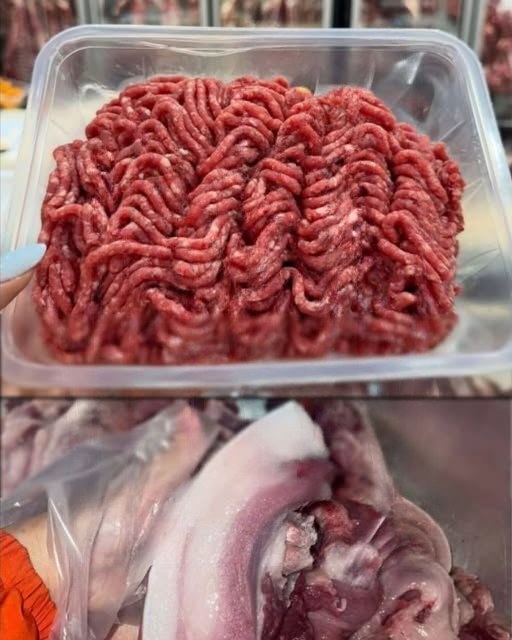
Eating well starts with what’s on your plate—and when it comes to meat, quality isn’t just about taste; it’s about safety, nutrition, and peace of mind. Packed with protein, iron, zinc, and B vitamins, meat fuels your body, but it’s also highly perishable. Mishandling, poor storage, or compromised packaging can turn a nutritious meal into a health risk.
Spotting Fresh Meat: What Really Matters
Your senses are your first line of defense. Look for:
- Color: Bright red beef, pale pink poultry, and light pink pork are ideal. Dull, grayish, or greenish hues? Skip it.
- Texture: Meat should be firm and slightly moist, never sticky or slimy.
- Smell: Fresh meat is nearly odorless. Any sour or strong smell is a warning sign.
- Packaging: Check for leaks, damaged seals, or swollen packaging. A compromised package can hide contamination.
Reading Labels Like a Pro
Labels aren’t just for show—they tell a story:
- “Use by” or expiration dates keep you within safe limits.
- Packaging dates reveal how fresh the product is.
- Storage instructions guide proper handling.
- Origin details hint at production standards.
Where You Shop Makes a Difference
Trusted retailers and local butchers often maintain strict hygiene and quality checks. Building a relationship with a butcher can provide personalized guidance and access to top-quality cuts.
Continue reading on next page…