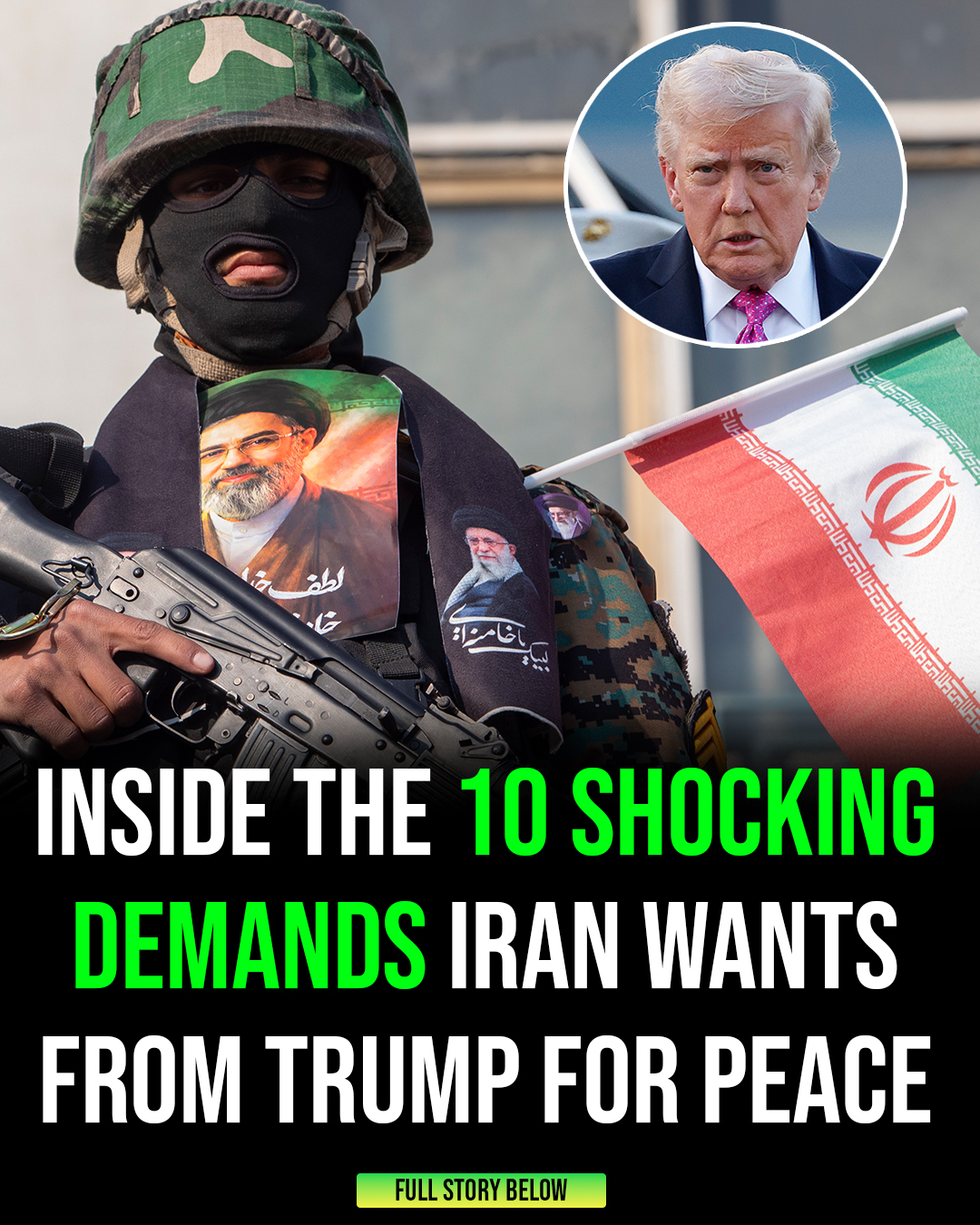
Recent developments in global politics have drawn attention after Donald Trump described Iran’s reported 10-point proposal as a “workable basis” for negotiations. However, as more details emerged, analysts and experts offered mixed reactions to the plan.
Sudden Shift Before Deadline
Tensions escalated earlier in the week when Trump issued strong warnings regarding Iran. However, just before a key deadline for potential escalation, a temporary two-week ceasefire agreement was reached between the United States and Iran.
The breakthrough reportedly came after intense diplomatic efforts involving multiple countries. Shehbaz Sharif is said to have played a central role, with additional support from regional and global players including Egypt, Turkey, and China, according to various reports.
Officials also indicated that Israel agreed to pause further military action as part of the temporary arrangement.
What the Proposal Includes
While full details have not been independently confirmed, reports from Iranian state media suggest the proposal includes several major conditions aimed at reshaping relations and reducing long-term tensions.
Key points reportedly include:
- A non-aggression agreement between the U.S. and Iran
- Continued Iranian control over the Strait of Hormuz
- Recognition of Iran’s nuclear enrichment program
- Removal of U.S. sanctions, including those affecting third-party nations
- Ending certain international resolutions related to Iran
- Financial compensation for damages
- Withdrawal of U.S. military forces from parts of the region
- A broader ceasefire across multiple areas of conflict
These proposals reflect long-standing positions that have historically been points of disagreement in international negotiations.
Energy Security and Strategic Importance
A central element of the discussions involves the Strait of Hormuz, one of the most critical routes for global energy supply. Approximately 20% of the world’s oil passes through this narrow waterway, making it vital for global markets and economic stability.
Under the temporary agreement, Iran has reportedly allowed limited shipping access for a two-week period, while the United States has paused further military operations. This development has been closely watched by analysts focused on energy security and global trade.
Mixed Reactions From Experts and Officials
Reactions to the ceasefire and proposal have varied widely. Some analysts view the agreement as a step toward de-escalation, while others question the long-term implications.
Journalist Mark Stone suggested the deal could represent a significant strategic concession, while others framed it as a temporary pause rather than a lasting resolution.
From the administration’s perspective, officials described the ceasefire as a positive outcome. White House Press Secretary Karoline Leavitt stated that recent operations had achieved their objectives ahead of schedule, characterizing the situation as a success.
Political Responses and Ongoing Debate
U.S. lawmakers have also weighed in. Ruben Gallego expressed relief at reduced risks to military personnel, while still calling for accountability and review of the broader situation.
Meanwhile, Chris Murphy raised concerns about strategic outcomes in the region, and Ed Markey emphasized the need for continued congressional involvement in decisions related to the conflict.
What Comes Next?
While the temporary ceasefire marks a pause in hostilities, uncertainty remains about whether a long-term agreement can be reached. Ongoing negotiations are expected to continue, with global attention focused on whether diplomacy can lead to a more stable resolution.
For now, the situation highlights the complexity of modern international relations, where military strategy, economic interests, and diplomatic efforts all intersect on the global stage.