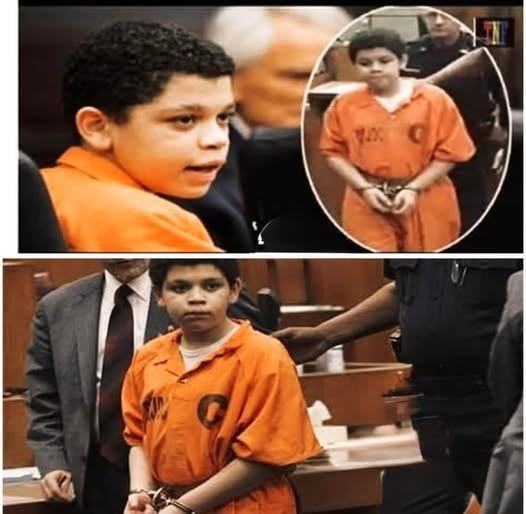
A Landmark Shift in the Law
Over the past decade, the U.S. Supreme Court has addressed juvenile sentencing in several important decisions. These rulings recognized that children are different from adults in terms of maturity and potential for change.
One significant outcome was the requirement that judges consider youth-related factors before imposing the harshest penalties. These decisions marked a shift toward individualized sentencing rather than automatic life terms for minors. While this change has provided hope for some, implementation across states has varied, and ongoing reforms continue to shape how these laws are applied.
Rehabilitation vs. Permanent Punishment
At the center of the debate is a broader question: What should the purpose of the justice system be?
Some believe that severe punishment is necessary for public safety and justice for victims. Others argue that, especially for young offenders, the system should prioritize rehabilitation, education, and mental health support.
Rehabilitation-based approaches focus on helping individuals understand the impact of their actions, develop empathy, build skills, and prepare for responsible reentry into society. Supporters believe this model reduces long-term harm and increases the chance of positive transformation.
Importantly, many reform advocates emphasize that reviewing a sentence does not guarantee release. Instead, it provides the opportunity for evaluation — allowing authorities to determine whether a person has changed over time.
A Continuing National Conversation
The discussion around juvenile life sentences reflects deeper values about justice, accountability, and second chances. It raises important questions about how society balances public safety with fairness and human development.
As research continues and legal standards evolve, the conversation remains active across courts, communities, and legislatures. The goal for many reform supporters is not to minimize responsibility, but to ensure that sentencing reflects both the seriousness of the crime and the unique characteristics of youth.
Moving Forward
The issue of life sentences for children challenges lawmakers, communities, and citizens to think carefully about the long-term impact of justice policies. Many believe that a system which recognizes growth and change can better reflect modern scientific understanding and human potential.
Whether through legislative reform, judicial review, or community dialogue, this topic continues to shape conversations about fairness and the future of criminal justice in America.
Closing Call to Action
What do you think about juvenile sentencing and rehabilitation efforts? Share your thoughts in the comments, and stay connected for more balanced discussions on important social and legal topics. Your voice helps keep the conversation moving forward.