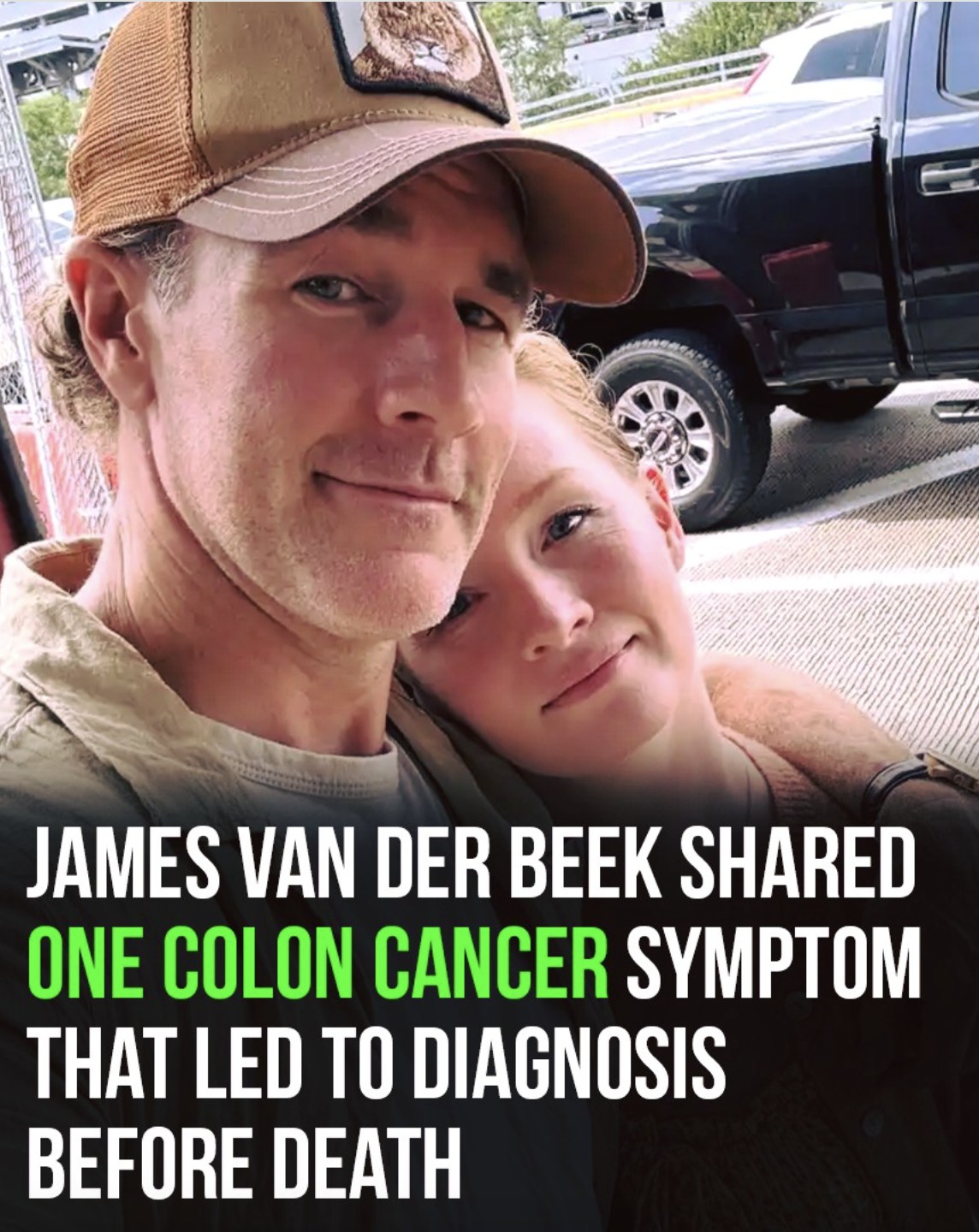
The entertainment industry continues to reflect on the loss of James Van Der Beek, who passed away at 48 after a nearly three-year battle with stage 3 colorectal cancer. Best known for his role on the hit teen drama Dawson’s Creek, the actor spent his final years raising awareness about colon cancer symptoms and the importance of early detection.
Van Der Beek died peacefully on February 11, according to a statement shared by his family. He is survived by his wife, Kimberly Van Der Beek, and their six children. In their message, loved ones described his final days as marked by courage, faith, and gratitude, while requesting privacy as they grieve.
The Subtle Symptom That Prompted Medical Testing
In interviews during his cancer journey, Van Der Beek emphasized that his first warning sign was easy to overlook: a persistent change in bowel habits.
Initially, he assumed the issue was minor — possibly related to diet or caffeine intake. He even tried eliminating coffee and dairy, believing the adjustment might resolve the discomfort. When symptoms didn’t improve, he decided to consult a doctor.
That decision led to a colonoscopy — a screening test that can detect early-stage colorectal cancer. Despite feeling physically strong and having no family history of the disease, the results confirmed a diagnosis of stage 3 colorectal cancer.
He later described the moment as shocking, particularly because he associated cancer with older age or unhealthy lifestyle habits. At the time, he maintained regular exercise and believed he was in excellent cardiovascular health.
Rising Colon Cancer Rates in Younger Adults
Colorectal cancer, once primarily associated with adults over 50, has increasingly affected younger populations. In the United States, approximately 150,000 people are diagnosed annually, and health experts have noted a concerning rise among adults in their 20s, 30s, and 40s.
Medical professionals emphasize that early detection dramatically improves survival rates. When colon cancer is identified in its earliest stages, treatment outcomes are significantly more favorable.
Risk factors can include:
- Diets high in red or processed meats
- Low fiber intake
- Obesity or limited physical activity
- Smoking and excessive alcohol use
- Inflammatory bowel disease
- Family history of colorectal cancer
However, Van Der Beek’s experience underscores that even individuals who appear outwardly healthy may still be at risk.
Colon Cancer Symptoms to Watch For
Health organizations advise seeking medical evaluation if any of the following symptoms persist:
- Changes in bowel habits (diarrhea, constipation, or altered stool consistency)
- Blood in stool (bright red or dark/black)
- Rectal bleeding
- Persistent abdominal discomfort or bloating
- Unexplained weight loss
- Fatigue or shortness of breath (possible signs of anemia)
- A continual sensation of needing to use the bathroom
Medical experts stress that symptoms should not be ignored, especially if they continue for several weeks.
A Legacy of Awareness and Advocacy
Beyond his acting career, Van Der Beek used his platform to encourage open conversations about health screening and preventive care. By sharing his personal journey, he helped highlight the importance of colonoscopy screening, especially as medical guidelines evolve for younger adults.
His story serves as a reminder that paying attention to subtle changes in the body can be life-saving. While his passing is deeply felt by family, friends, and fans, his willingness to speak openly about colorectal cancer has contributed to broader public awareness.
Through vulnerability and advocacy, he left behind not only a television legacy, but also a message about proactive health care, early diagnosis, and listening to your body — lessons that continue to resonate far beyond the screen.