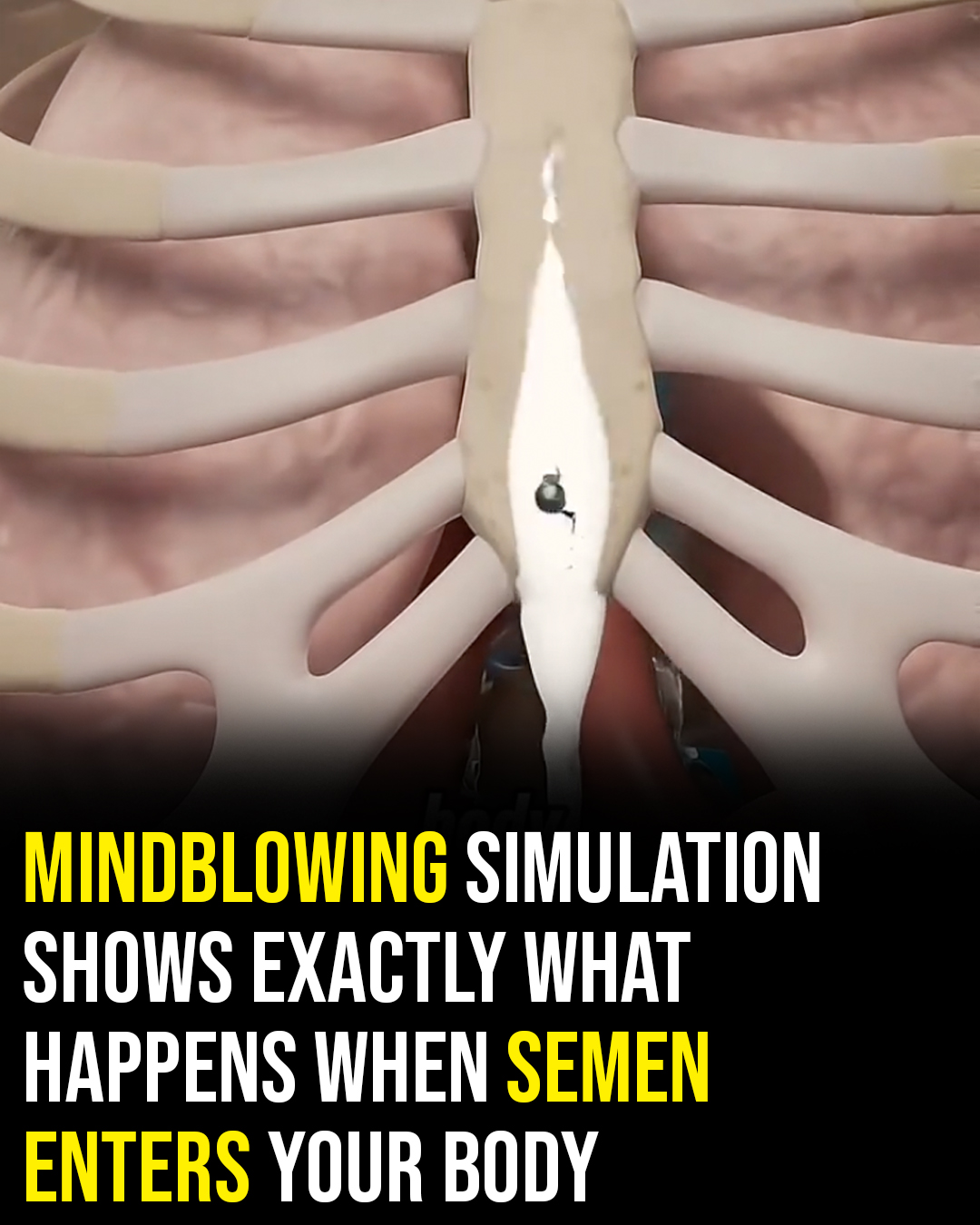
A recent viral TikTok video is drawing attention for its educational approach to sexual health. The clip uses a medical-style anatomical simulation to explain what happens inside the body when semen is swallowed during oral sex. By visually tracking its path through the digestive system, the video aims to clarify the biology and address common misconceptions.
The video was shared by TikTok creator Dr. Boogie and presents a simplified anatomical model to demonstrate how the body processes semen after ingestion.
How the Digestive System Processes Semen
According to the video’s narration, once semen is swallowed, it travels down the esophagus in the same way as any other liquid. It then enters the stomach, where digestion begins.
Because the volume is typically small, it does not significantly stretch the stomach walls or trigger strong fullness signals. The digestive system treats semen like other organic fluids rather than as a foreign substance.
Once in the stomach, powerful gastric acids and enzymes — including pepsin — quickly deactivate sperm cells. At this stage, the process becomes purely digestive, breaking the fluid down into its basic components.
Can Swallowing Semen Cause Pregnancy?
Medical experts consistently confirm that pregnancy cannot occur from swallowing semen.
According to Healthline, sperm cells make up only about 1–5% of semen, with the remainder consisting primarily of seminal plasma, which is mostly water.
More importantly, the digestive system is completely separate from the reproductive system. As reported by Medical News Today, swallowed semen cannot enter the vagina, uterus, or fallopian tubes. Without access to the reproductive organs, fertilization is biologically impossible.
This clarifies a common sexual health myth and reinforces the importance of understanding basic human anatomy.
Nutritional Content and Hormonal Claims
Some online discussions have questioned whether semen has nutritional value. In reality, the quantities are extremely small.
Healthline explains that while semen contains trace nutrients and compounds, the amounts are minimal. One would need to consume extremely large quantities to see any measurable dietary effect. With an estimated 5–25 calories per teaspoon, it is not a meaningful source of protein, vitamins, or health benefits.
Semen also contains small amounts of melatonin, a hormone involved in sleep regulation. However, there is no credible scientific evidence proving that ingesting semen directly affects sleep patterns or energy levels.
How Long Does Semen Remain in the Body?
The simulation continues by showing semen moving from the stomach into the small intestine. Because it contains little fiber or bulk, it typically moves through the digestive tract at a normal pace for liquids.
In the small intestine, digestive enzymes continue breaking down the components. Any absorbable nutrients — if present in meaningful quantities — would enter the bloodstream at this stage.
The remaining material passes through the digestive system and is eliminated as waste within a short period, just like other digested substances.
Is It Safe?
From a digestive standpoint, semen is generally safe to ingest. It is processed like other bodily fluids or protein-based substances.
However, there are important health considerations:
- Allergic Reactions: In rare cases, individuals may experience a condition known as human seminal plasma hypersensitivity (HSP). Symptoms can include itching, redness, swelling, or, in severe cases, stronger allergic reactions.
- Sexually Transmitted Infections (STIs): Oral exposure can transmit certain infections if a partner carries an STI. Regular testing, open communication, and safe sex practices are essential parts of responsible sexual health.
The Bottom Line
Swallowing semen does not cause pregnancy. It does not provide significant nutritional benefits. For most people, it poses no digestive harm.
As with any sexual activity, informed consent, communication, routine health screenings, and protective measures are key components of overall reproductive health and wellness.
Understanding the science behind viral claims helps separate myth from medical fact — and promotes safer, more informed decisions.