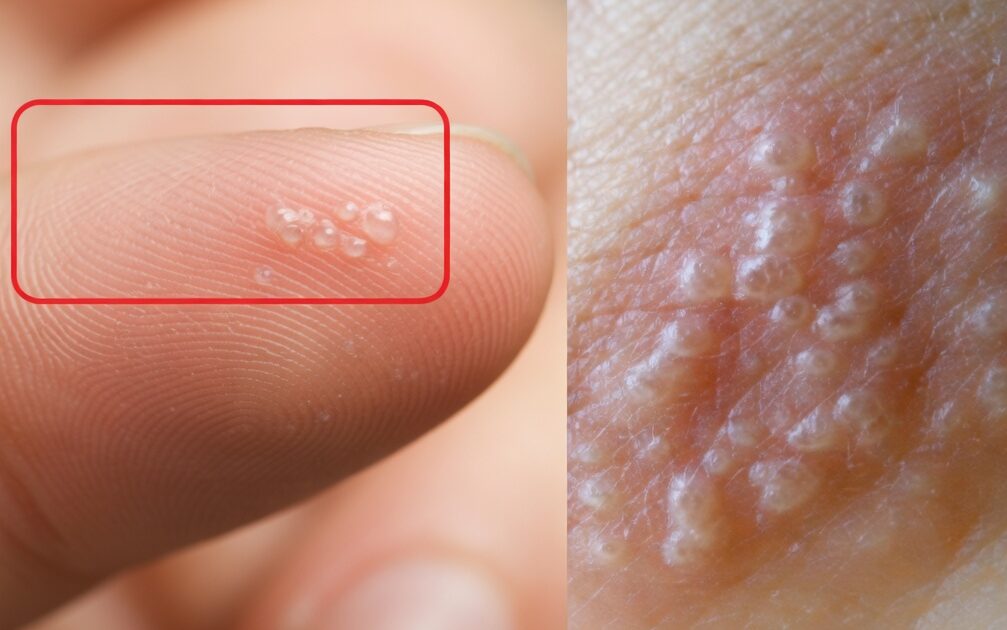
Symptoms and Challenges
People with dyshidrotic eczema may notice sudden outbreaks that interfere with daily life. From dressing and cooking to walking or typing, even simple tasks can feel exhausting and frustrating. Beyond the physical discomfort, the visible blisters can affect confidence and emotional well-being, creating a cycle of stress that may worsen symptoms.
Managing Dyshidrotic Eczema
While there’s no permanent cure, dyshidrotic eczema can be managed effectively with consistent care:
- Topical treatments: Dermatologists often recommend steroid creams to reduce inflammation during flare-ups.
- Moisturizing: Gentle, fragrance-free moisturizers help protect skin and prevent cracking.
- Cool compresses: These can soothe burning and itching sensations.
- Medication and therapy: Antihistamines, light therapy, or other treatments may be suggested for severe cases.
- Skin protection: Wearing gloves for wet work, avoiding popping blisters, and using mild soaps help minimize triggers.
Understanding personal triggers and following a consistent routine can help people regain comfort, confidence, and control over their symptoms—even during challenging seasons like spring.
Take Charge of Your Skin Health
Living with dyshidrotic eczema doesn’t have to mean constant struggle. By combining careful skincare, trigger management, and professional guidance, it’s possible to enjoy daily life with less pain and more confidence.
Dealing with flare-ups this spring? Share your tips and experiences with dyshidrotic eczema—your insights could help others find relief and comfort.