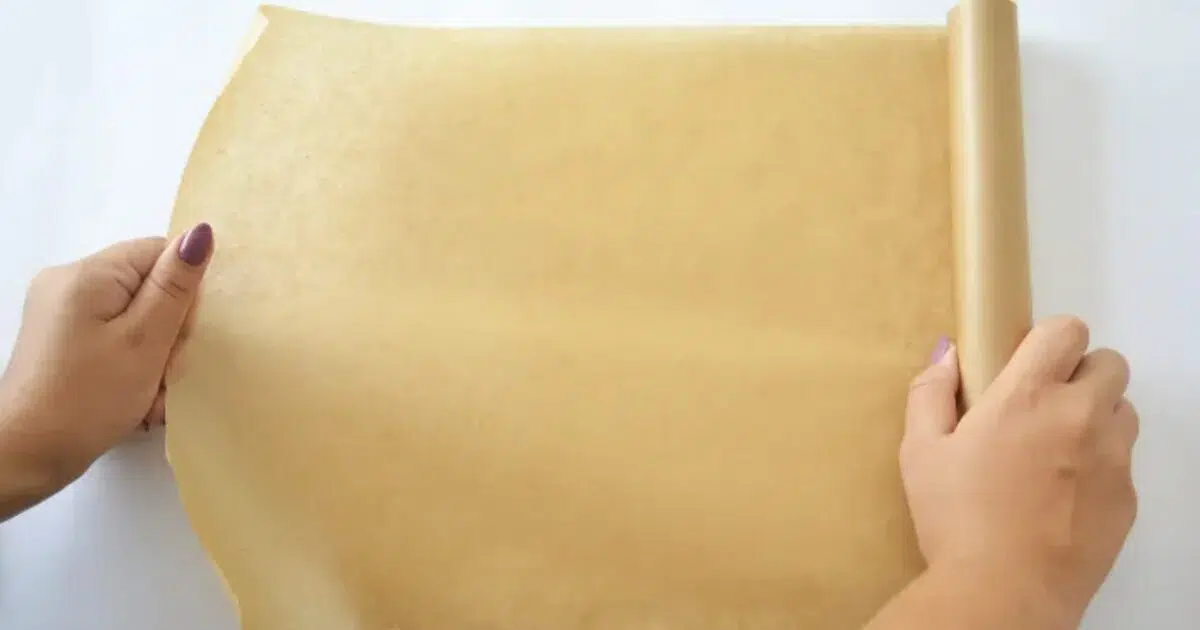
Parchment Paper in the Kitchen: Convenience, Safety, and Smarter Alternatives
Parchment paper has earned its place as a kitchen must-have. Its nonstick surface keeps cookies sliding off trays, ensures roasted vegetables don’t stick, and makes cleanup almost effortless. Many home cooks consider it indispensable, whether baking, roasting, or even lining pans for messy meals. But despite its popularity, there’s more to know than the obvious convenience. Using parchment paper without understanding its limits can create risks—especially when it comes to heat and coatings.
How Parchment Paper Works
Most parchment paper is coated to create that smooth, nonstick surface. Silicone-coated parchment is common, and it’s safe for most baking tasks at temperatures up to 420–450°F. Some older or less common brands use quilon coatings, which contain chromium. While generally safe at low temperatures, quilon has potential health concerns if exposed to higher heat.
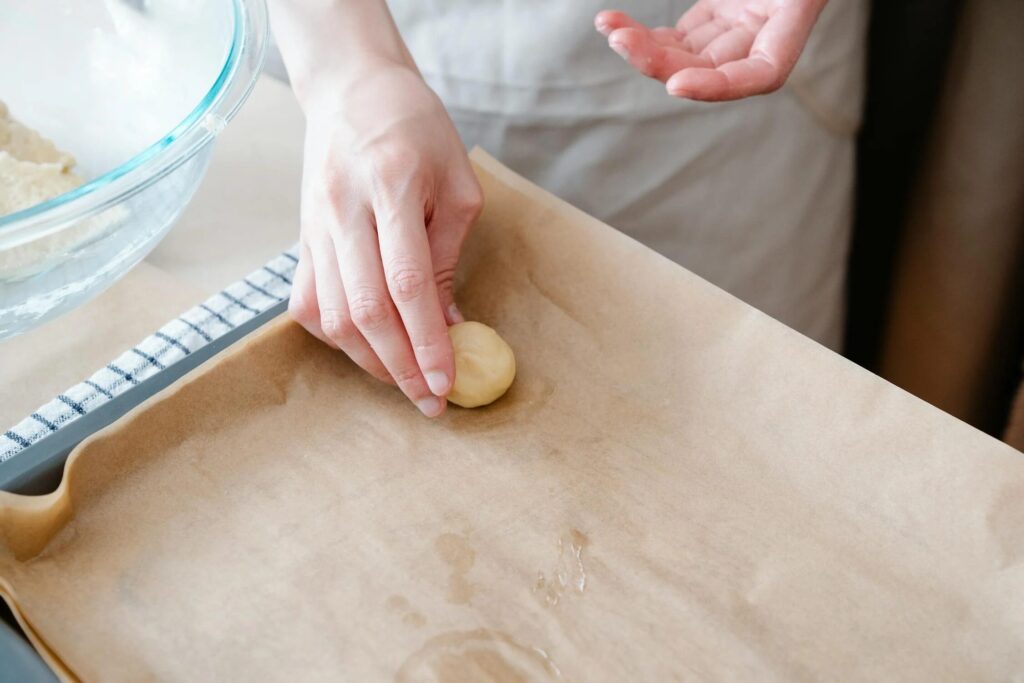
Overheating parchment paper can cause the coating to break down, sometimes releasing fumes or microscopic particles. In extreme cases, it can darken, scorch, or even ignite—though rare, it’s a clear sign the paper has reached its limit. Even a slight odor during baking can indicate that the paper is stressed.
Why Temperature Matters
Many common cooking methods—roasting chicken, searing vegetables, or baking pizza—can push parchment past its safe range. Ignoring the recommended limits printed on packaging is easy to do in a busy kitchen, but it increases the risk of coating breakdown and potential exposure to unwanted materials.
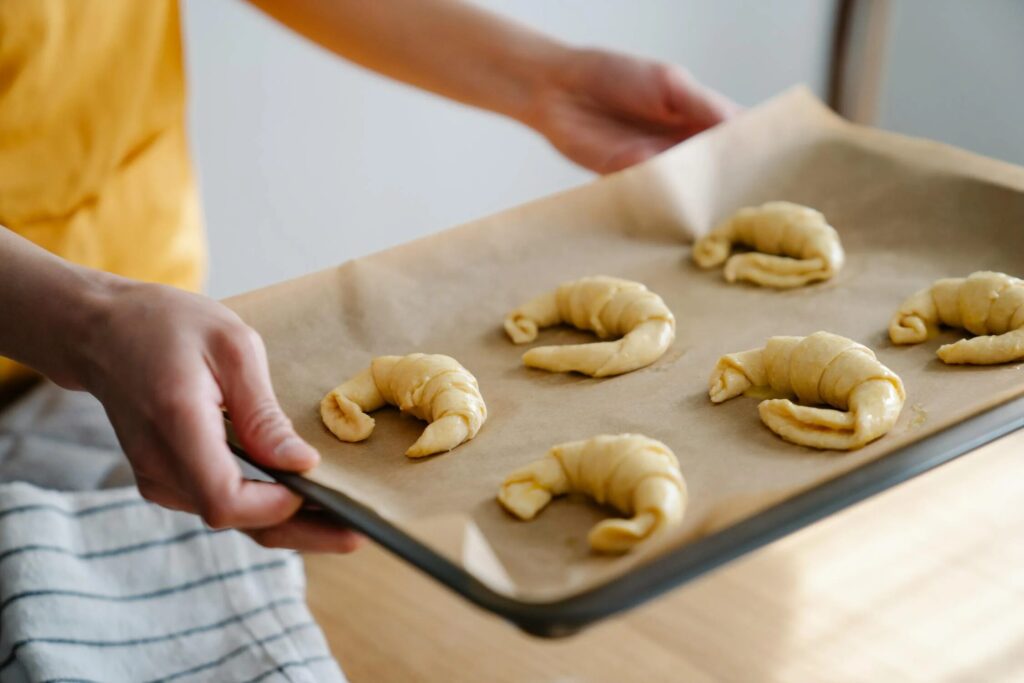
It’s important to understand that parchment paper isn’t meant for every cooking scenario. High-heat roasting, broiling, or pan-searing may require alternatives for safety and performance.
Continue reading on the next page…