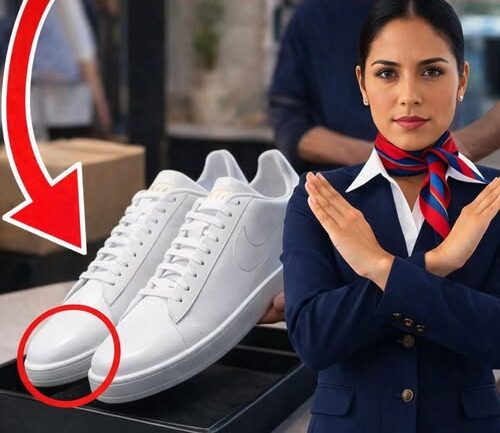
Which Shoes Might Slow You Down?
Even though nothing is officially banned, certain types of footwear are more likely to trigger extra checks:
Thick-soled sneakers or platform shoes
Heavy boots
Shoes with metal components
Complex or multi-layered designs
These don’t break any rules—but they can make scanners work harder, which may lead to additional screening and delays.
Smart Travelers Choose Practical Footwear
Frequent travelers know one simple trick: keep it easy.
Choosing the right shoes can save you time and stress:
Slip-on shoes make security faster
Lightweight footwear is more comfortable for long walks
Simple designs reduce the chance of extra inspection
Style is still your choice—but convenience often wins when you’re navigating busy airports.
Comfort Isn’t Just a Luxury—It’s Essential
Air travel often involves:
Long lines
Extended walking distances
Waiting at gates
Wearing uncomfortable shoes can turn a smooth trip into a tiring one. That’s why many travelers prioritize:
Cushioning
Breathability
Easy removal
A small decision can make a big difference in your overall experience.
Hygiene and Safety Considerations
While not official rules, there are practical reasons experts recommend closed-toe footwear:
Protection from dirty surfaces
Reduced exposure to germs
Better support in crowded environments
Walking barefoot through security isn’t prohibited—but it’s definitely not ideal.
Don’t Forget Cultural Norms
Footwear expectations can also change depending on where you’re going.
In some places—like temples, mosques, or traditional homes—removing shoes is a sign of respect. These aren’t legal requirements, but cultural practices.
Being aware of them helps you:
Avoid awkward situations
Show respect to local traditions
Travel more confidently
How Social Media Fuels Misunderstandings
Many viral posts are based on isolated experiences, not official policies.
For example:
Someone gets stopped for extra screening → video goes viral → people assume a new rule exists.
In reality, these are routine checks, not sweeping changes.
Always double-check information through official airport or airline sources before assuming the worst.
What to Expect in 2026 and Beyond
Airports are continuing to invest in:
Advanced scanning technology
Faster security systems
More efficient passenger flow
Over time, this may mean fewer items need to be removed—but changes will happen gradually and vary by location.
Flexibility is key.
How to Travel Smarter
To avoid unnecessary stress, keep it simple:
Wear easy-to-remove shoes
Avoid overly complex designs
Check airport guidelines before traveling
Allow extra time for security
Preparation always beats panic.
The Bottom Line
There’s no secret rule banning your favorite shoes in 2026. The real story is about smarter security systems, not stricter restrictions.
Understanding this helps you travel with confidence instead of confusion.
✈️ Ready to travel smarter? Share this with a friend and let us know—what’s your go-to airport footwear?