Mini-Strokes (TIA): The Warning You Can’t Afford to Ignore
Understanding a Mini-Stroke
A mini-stroke, or transient ischemic attack (TIA), happens when blood flow to the brain is briefly interrupted, usually by a small clot or narrowed vessel. The tricky part? Symptoms often disappear within minutes, making it easy to dismiss as fatigue, stress, or aging.
Even though it passes quickly, a TIA is a serious alert that your brain’s blood supply is at risk. Treat it as a warning signal—early action can prevent a more severe stroke down the line.
Recognizing Sudden Symptoms
TIA symptoms can hit fast and may vary in intensity. Common signs include:
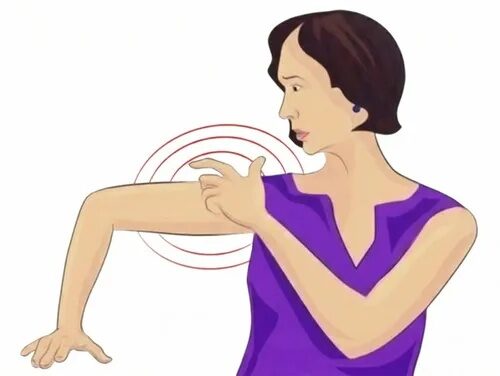
- Weakness or numbness on one side of the body
- Drooping face or difficulty lifting an arm or leg
- Speech problems, like slurred words or trouble understanding
- Vision changes, such as blurred or temporary loss in one eye
- Dizziness, loss of balance, or sudden severe headache
Even if symptoms vanish quickly, they are never harmless. Any sudden neurological change warrants immediate medical attention.
Why Acting Fast Matters
Think of a mini-stroke as your body’s early alarm system. Studies show many people who experience a TIA go on to have a full stroke within days or weeks. Getting evaluated immediately helps doctors pinpoint the cause and start treatment to reduce future risk, protecting your brain from lasting damage.
Continue reading on the next page…